Understanding the Basics of HIIT and Strength Training
What is High-Intensity Interval Training?
High-Intensity Interval Training (HIIT) is a workout approach that alternates short bursts of intense exercise with periods of rest or low-intensity activity. These quick, powerful intervals elevate heart rate rapidly and promote fat burning while improving cardiovascular fitness. HIIT sessions are usually brief but highly effective, targeting fast-twitch muscle fibers to enhance both endurance and explosive power.

The Fundamentals of Strength Training
Strength training involves resistance exercises that build muscle mass, strength, and endurance. This includes using free weights, resistance bands, weight machines, or bodyweight movements such as push-ups and squats. Properly executed strength training supports muscle hypertrophy, helps maintain skeletal integrity, and enhances metabolism. It is critical for overall physical health and plays a vital role in achieving balanced fitness goals.
How They Complement Each Other
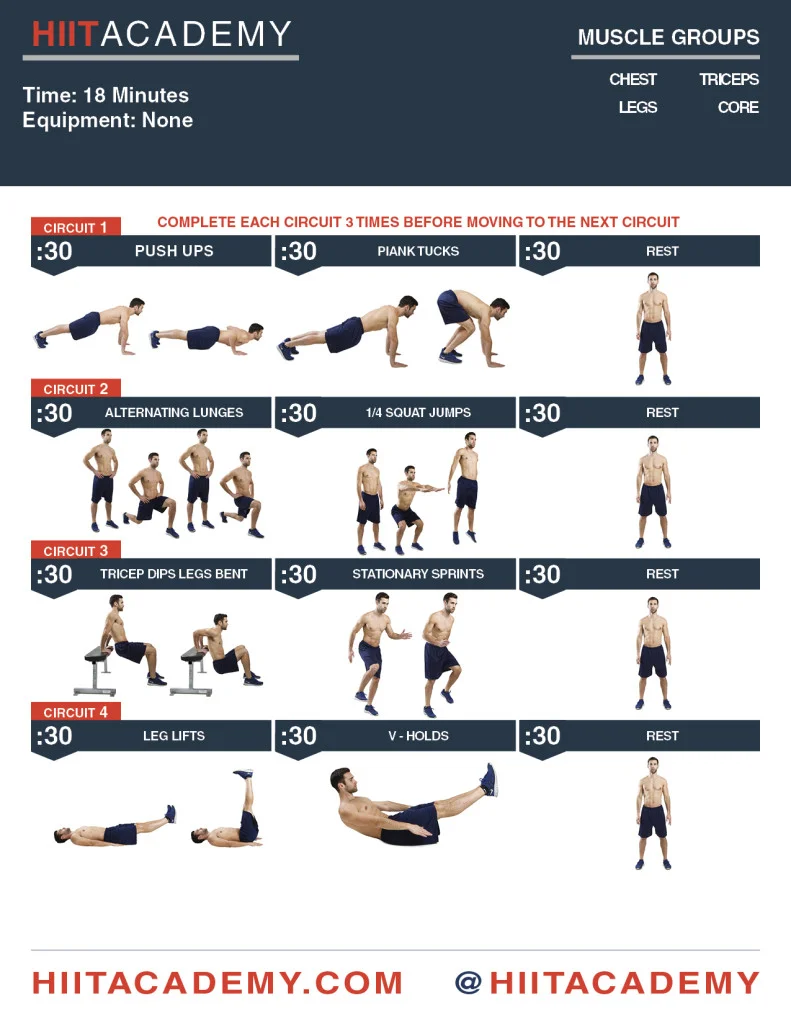
Combining HIIT and strength training merges cardiovascular benefits with muscular development, creating a comprehensive fitness routine. HIIT accelerates fat loss and improves heart health, while strength training preserves or grows muscle mass and boosts metabolic function. The synergy ensures that efforts in fat burning do not come at the expense of muscle loss, supporting optimal body composition and functional fitness.
Benefits of Combining HIIT with Strength Training
Enhanced Fat Loss Mechanisms
The fusion of HIIT and strength training elevates calorie expenditure during and after workouts. HIIT’s intense bursts increase metabolic rate, triggering excess post-exercise oxygen consumption (EPOC), which prolongs fat burning. When strength training is integrated, muscle preservation enhances basal metabolism, allowing the body to burn more calories at rest. Together, they create a powerful fat loss effect beyond what either could achieve alone.
Maximizing Muscle Hypertrophy and Endurance
Strength training stimulates muscle growth by applying progressive overload to muscle fibers. Incorporating HIIT, especially resistance-based intervals or plyometric moves, recruits fast-twitch fibers essential for hypertrophy. Combining these methods improves muscular endurance and explosive power, allowing athletes to perform better and recover faster. Sequential or combined sessions optimize both size and stamina improvements.
Improved Metabolic Rate and Recovery
This hybrid approach enhances metabolic rate by increasing muscle mass and stimulating cardiovascular fitness. Shortening rest periods during resistance sessions mimics HIIT’s cardiovascular intensity, creating a dual benefit. Additionally, alternating HIIT and strength training on separate days allows sufficient recovery, reducing overtraining risks and enhancing overall performance and adaptation.
Designing an Effective Hybrid Workout Plan
Structuring Sessions: Order and Timing
When combining HIIT with strength training, scheduling plays a crucial role. Most benefit from performing them on separate days to avoid excessive fatigue and muscle overtaxing. If both are done on the same day, keep HIIT cardio-focused and separate it from strength sessions. Strengthening moves can be added during HIIT recovery periods to gradually build resistance without overwhelming the body. Adjusting rest intervals within strength training to maintain elevated heart rate can simulate HIIT effects.
Sample Weekly Schedule for Beginners and Advanced Trainers
Beginners should begin with alternating days: three days of strength training and two days of HIIT, allowing rest or light activity in between. Advanced trainers can combine shorter HIIT sessions with strength workouts in the same day, such as morning HIIT followed by evening strength training. Including plyometric HIIT moves like jump squats or box jumps gradually enhances intensity and muscle stimulus as fitness improves.
Tips for Progression and Avoiding Plateaus
Progress gradually by increasing HIIT intervals or adding weight to strength exercises. Vary workouts to prevent adaptation by mixing exercises and interval durations. Shortening rest periods during strength training sessions keeps intensity high and mimics HIIT benefits. Monitoring fatigue and recovery helps avoid burnout and sustains progress toward fat loss and muscle gain goals.
Nutrition Strategies to Support Dual Training Goals
Macronutrient Breakdown for Fat Loss and Muscle Gain
Supporting HIIT and strength training requires balanced nutrition focusing on adequate protein intake to promote muscle repair and growth. Moderate carbohydrates fuel high-intensity efforts and replenish glycogen stores, while healthy fats support hormone balance and recovery. Tailoring macronutrient ratios based on individual goals ensures muscle preservation during fat loss phases or muscle gain periods.
Hydration and Supplementation Insights
Proper hydration before, during, and after workouts is essential for optimal performance and recovery. Supplementing with branched-chain amino acids (BCAAs) or whey protein can support muscle maintenance in demanding training phases. Additionally, creatine and beta-alanine may enhance strength and endurance, but nutrition should always prioritize whole food quality and overall diet consistency.
Tracking Progress and Adjusting Techniques
Key Performance Indicators to Monitor
Monitoring body composition changes, strength improvements, and cardiovascular capacity provides insight into effectiveness. Tracking workouts with intensity, duration, and rest periods helps optimize training balance. Subjective measures like energy levels, fatigue, and recovery quality are also valuable for adjusting intensity and exercise selection.
Common Mistakes and How to Overcome Them
Skipping strength training, especially among women, limits muscle-building benefits and metabolic improvements. Doing HIIT and strength training on the same day without managing intensity can cause overtraining. Failing to adjust rest periods during resistance work reduces combined benefits. Excessive intense cardio without nutritional support risks muscle loss, while confusing traditional cardio with HIIT leads to unnecessary fear of muscle depletion.
Overcome these mistakes by scheduling workouts thoughtfully to separate high-intensity days, including resistance training consistently, and tailoring intensity and rest intervals to individual fitness levels. Maintaining proper nutrition and hydration further supports muscle preservation and fat loss, creating a sustainable path to optimal results.