Understanding the Importance of an Evening Wind-Down Ritual
The Science Behind Evening Routines and Sleep Quality
Many people struggle with falling asleep or achieving restful sleep, often due to the overstimulation and stress of modern life. The underlying problem is that our bodies and brains fail to receive clear signals that it is time to relax and prepare for rest. High cortisol levels, caused by evening stress or screen exposure, and blue light’s suppression of melatonin production disrupt the natural sleep-wake cycle. When these factors persist, they reduce sleep quality, leading to daytime fatigue and decreased overall well-being. Establishing an evening wind-down ritual addresses these issues by deliberately signaling to your brain that the day is ending and it is time to relax, promoting a smoother transition to restorative sleep.

How Personalization Enhances Relaxation
While generic advice on pre-sleep routines exists, the key to success lies in personalization. Everyone’s stress triggers, lifestyle, and preferences differ, so a one-size-fits-all approach often falls short. A personalized wind-down ritual respects your unique needs, whether that means incorporating journaling, aromatherapy, or gentle yoga. When a routine aligns with your lifestyle and feels enjoyable, it encourages consistency and deeper relaxation. The personalization also helps mitigate psychological arousal caused by lingering thoughts about work or daily demands, which are common barriers to sleep.
Assessing Your Current Evening Habits
Tracking Your Pre-Sleep Activities
If you find yourself tossing and turning at night, the first step is to analyze your existing evening habits critically. Many people unknowingly engage in behaviors that hinder their ability to wind down, such as heavy meals, late caffeine intake, or excessive screen time. Maintaining a sleep diary for at least a week can reveal patterns and pinpoint which activities precede poor sleep. This practice helps in recognizing not only what you do but also when you do it, which is crucial for scheduling improvements.
Identifying Stressors and Sleep Disruptors
Evening stressors often come from work-related tasks like late emails or projects that invade personal time. Additionally, a cluttered bedroom environment or working from bed can confuse the brain’s association between rest and activity, delaying the transition to sleep. Mental chatter and busyness are frequent disruptors, preventing the mind from settling. Recognizing these stressors allows you to address them deliberately by setting boundaries and creating clearer mental and physical separations between activity and rest in your evening routine.
Key Elements to Include in Your Personalized Wind-Down Ritual
Creating a Soothing Environment
The environment in which you prepare for sleep has a profound impact on your ability to unwind. Problems arise when bedrooms are cluttered, too warm, or brightly lit, sending mixed signals to the brain. Solutions include dimming lights to reduce stimulation, adjusting the room temperature to between 65 and 68°F for optimal comfort, and removing distractions such as screens. Incorporating calming scents like lavender through aromatherapy can further enhance relaxation by activating soothing neural pathways.
Mindfulness and Meditation Techniques
Evening stress elevates cortisol, making it hard to relax. Mindfulness meditation and breathing exercises such as the 4-7-8 technique can counteract this by lowering stress hormones and calming the nervous system. Progressive muscle relaxation is another effective practice; it gradually reduces physical tension, making it easier for the mind to follow. These techniques not only prepare the body for rest but also help train the mind to let go of racing thoughts that often keep people awake.
Incorporating Gentle Physical Activities
Engaging in gentle movements like yoga or Tai Chi supports relaxation by releasing physical tension and promoting the body’s natural sleep signals. These activities increase parasympathetic nervous system activity, which is responsible for rest and digestion. Additionally, listening to calming music during these activities can deepen relaxation by distracting from anxious thoughts. Including such physical elements in your evening routine helps bridge the gap between a busy day and restful night.
Step-by-Step Process to Design Your Ritual
Step 1: Choose Your Ideal Time Frame
Problems often arise when there is little or no time designated for unwinding before bed. To solve this, start by deciding how much time you can consistently dedicate to your wind-down ritual. Experts recommend setting aside between 30 to 120 minutes prior to your ideal bedtime. Even a short, 20-minute routine done regularly can significantly improve sleep quality. The key is to select a realistic time frame that matches your schedule and lifestyle to encourage adherence.
Step 2: Select Calming Activities that Suit Your Preferences
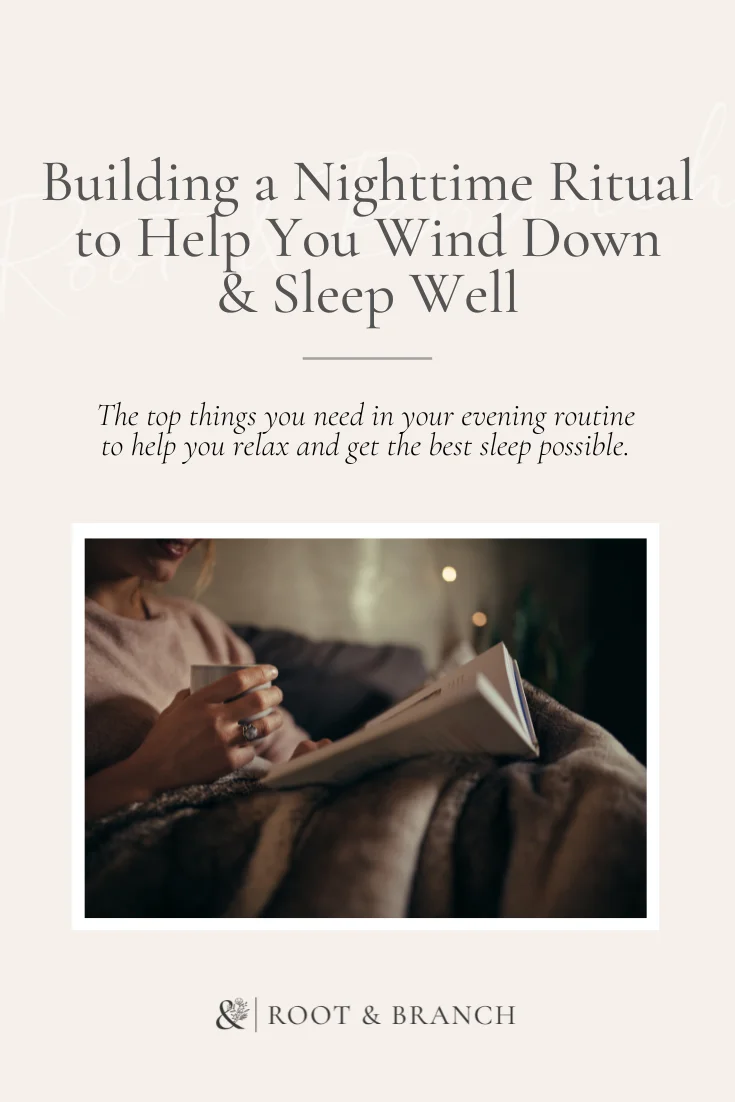
Many struggle with creating or sticking to a routine because they choose activities they don’t enjoy or that don’t fit their evening energy levels. Personalize your wind-down by selecting calming activities you find appealing and relaxing. This might include reading a physical book, journaling, practicing meditation or gentle stretches, or taking a warm bath. By choosing activities that resonate with you, your routine feels less like a chore and more like a soothing ritual.
Step 3: Organize and Prepare Your Environment
Without a supportive environment, even the best routines may falter. Take time to declutter your bedroom, dim the lights, and set your thermostat to a comfortable temperature. Remove electronic devices or limit their use to prevent blue light exposure and mental stimulation. Setting the stage helps your brain associate your physical surroundings with relaxation and sleep. Incorporating calming elements like essential oils or soft textures can further enhance this experience.
Step 4: Execute and Reflect on Your Ritual
Implement your chosen routine consistently each night, including weekends, to train both your body and mind to respond to these signals. It’s normal to experience occasional slip-ups; the important solution is to forgive yourself and return to the routine without guilt. Reflect regularly on what works and what does not, adjusting activities based on their effectiveness and how you feel. This flexible approach ensures your ritual remains effective and tailored over time.
Tools and Resources to Support Your Evening Routine
Apps for Meditation and Sleep Tracking
To overcome challenges in relaxation and tracking progress, many turn to technology. Meditation apps can guide you through mindfulness practices, breathing exercises, and progressive muscle relaxation, helping reduce cortisol and mental chatter. Sleep tracking apps or journals keep records of your sleep patterns, revealing disruptions and trends that inform further adjustments to your routine. Used thoughtfully, these tools provide structure and feedback to bolster your efforts.
Recommended Books and Podcasts
Educational resources can expand your understanding of sleep hygiene and mindfulness. Books focusing on relaxation techniques, sleep science, and stress management offer deeper insights that can inspire and refine your ritual. Similarly, podcasts dedicated to wellness and sleep can introduce new strategies or support you through challenging nights. These resources empower you with knowledge and motivation to maintain consistency and personalization in your wind-down routine.
Common Challenges and How to Overcome Them
Sticking to the Routine Amid Busy Schedules
One common obstacle is the busy, unpredictable nature of modern life, which can make scheduling a wind-down time seem impossible. This often results in irregular routines or skipping the ritual altogether. The key solution is to start small—with as little as 20 minutes—and integrate relaxing activities that do not require extensive preparation. Additionally, setting boundaries to mentally and physically disconnect from work, such as putting away devices and creating a clear end-of-day ritual, helps protect your wind-down time.
Adjusting Your Ritual for Different Nights
Even with the best intentions, some nights may require flexibility. Stressful days might call for extended relaxation practices, while busy evenings might limit your available wind-down time. Recognizing and accepting this variability allows you to adapt rather than abandon your routine. Experiment with shorter or alternate calming activities and assess their impact. Keeping the core purpose—to transition smoothly to sleep—at the forefront helps guide these adjustments without losing consistency.
Measuring the Impact of Your Personalized Evening Ritual
Tracking Sleep Quality Improvements
To determine if your ritual is effective, tracking sleep quality is essential. Using a sleep diary or apps enables you to observe changes over time, such as how quickly you fall asleep, frequency of night awakenings, and morning refreshment. Feeling more rested and alert during the day is a clear sign that your ritual is working. If improvements stall, revisit and tweak your routine, environmental conditions, or activities to enhance results.
Noticing Changes in Daily Stress Levels
Beyond better sleep, a successful wind-down ritual often leads to reduced daily stress and improved mood. When mental chatter lessens in the evening, it carries over into day-to-day life, making you feel calmer and more focused. If you notice persistent anxiety or inability to wind down despite a solid routine, consider seeking expert support to develop healthier coping strategies. Your evolving awareness of stress and relaxation patterns is a valuable measure of how effectively your personalized ritual supports overall well-being.