Essential Gear for Multi-Day Hiking in South American Mountains
Backpacks: Choosing the Right Capacity and Features
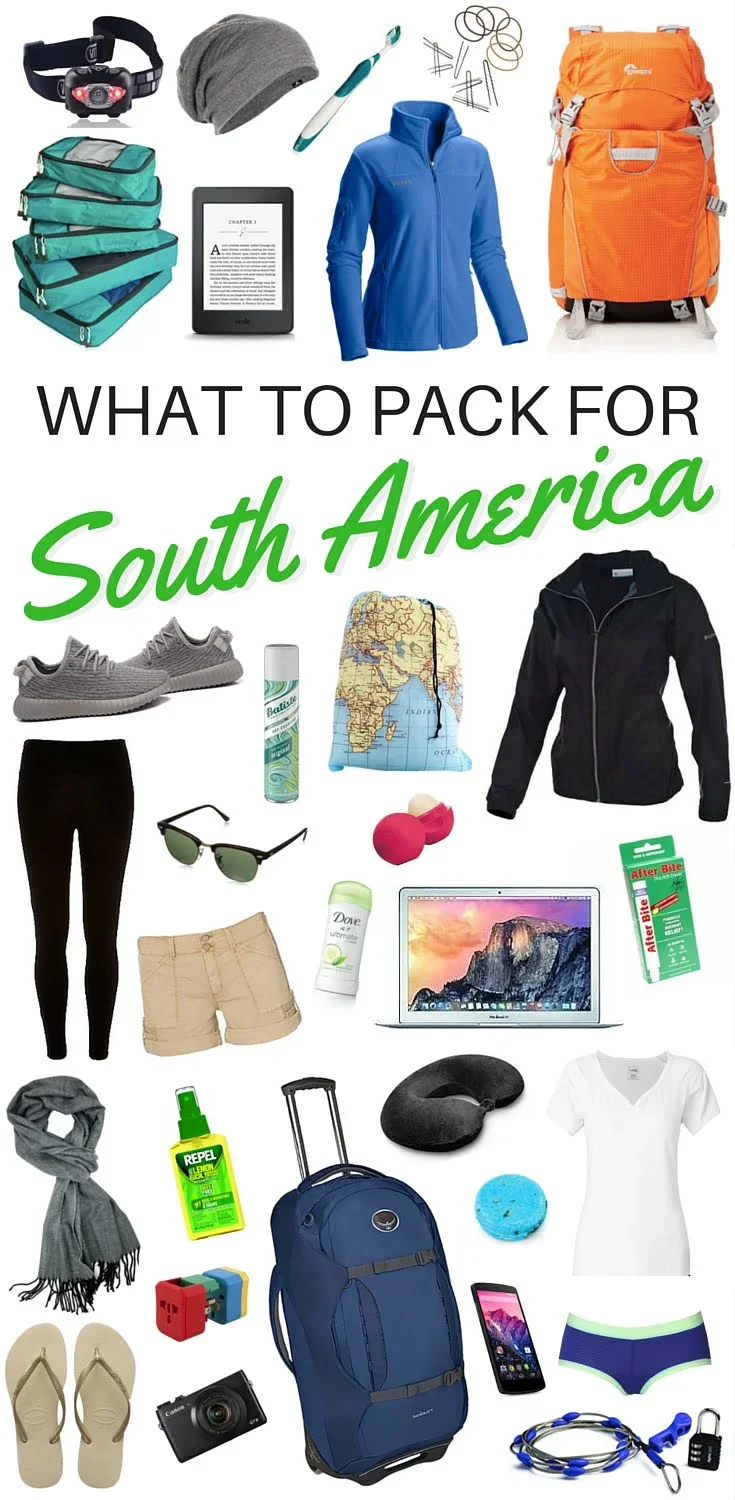
One common problem hikers face is selecting a backpack that either lacks sufficient space or becomes a burden due to excess weight. This often stems from fear of being underprepared or not having the right features tailored to rugged mountain trails. To avoid discomfort and injury, it is essential to pick a backpack that balances capacity and comfort. Opt for adjustable backpacks designed specifically for hiking, which offer multiple compartments to organize gear efficiently. Brands like Osprey are known for durability and ergonomic support, reducing strain on long treks. It is also important to try backpacks in-store to ensure a proper fit, as shoulder straps and hip belts must be comfortable for extended periods. Including a rain cover can safeguard your belongings from sudden weather changes, a frequent occurrence in South American mountains.
Footwear: Selecting Durable and Comfortable Hiking Boots
Inadequate footwear can quickly ruin a multi-day hike, causing blisters or even injuries. Many hikers underestimate the need for boots that combine both durability and comfort suited to rugged, varied terrain. The remoteness of South American trails means access to replacement footwear is limited, so investing in well-made hiking boots with good ankle support is critical. Waterproof yet breathable materials help manage moisture, keeping feet dry in both wet and dry conditions. Additionally, wearing the boots well before the trip avoids surprises by breaking them in and ensuring they fit correctly.
Clothing Layers: Adapting to Mountain Weather Variability
South America’s diverse climates pose a significant challenge for packing appropriate clothing. Forgetting essential layers leads to discomfort when temperatures drop unexpectedly, especially at high altitudes. The solution lies in packing versatile layers that can be added or removed easily. Start with moisture-wicking base layers to keep skin dry, followed by insulating mid-layers such as fleece or a packable down jacket. Many seasoned hikers recommend sourcing warm clothing made from local Alpaca wool, prized for its warmth and lightness. Avoid overpacking by planning to do laundry at economical laundrettes every two weeks, but always count garments before and after to avoid losses.
Food and Hydration Strategies
High-Energy, Lightweight Foods Best for Hikers
One of the key challenges on remote trails is maintaining energy without carrying excessive weight. Hikers often overpack food due to uncertainty about availability or shelf-life. The best approach is to select calorie-dense, lightweight options such as nuts, dried fruits, energy bars, and dehydrated meals. These provide sustained energy without bulk. Planning meals around local markets also helps, as many towns along South American routes sell fresh produce and staple foods. Bringing a small set of basic spices or condiments can improve taste without significant weight or volume.
Water Purification Methods Suitable for Remote Trails
Water sources in remote mountain areas can pose health risks due to contamination. Failing to purify water is a common cause of illness during hikes. Portable water purification systems such as compact filters or chemical tablets are practical solutions. Filters remove sediment and pathogens without affecting taste, while tablets offer a lightweight chemical alternative. Carrying a reusable water bottle with a wide mouth facilitates filling from natural streams. Staying hydrated is critical at high altitudes where dehydration can worsen altitude sickness symptoms.
Navigation and Safety Equipment
Maps, GPS Devices, and Compass Essentials
Lost hikers are a frequent problem, often caused by relying solely on digital navigation tools that may fail due to battery loss or connectivity issues. South American mountain trails can be remote and poorly marked, so carrying a detailed map and a reliable compass is essential. GPS devices are helpful but should not replace traditional navigation tools. Hikers should familiarize themselves with their maps and compass before the journey and have backup batteries or power banks for electronics. This multi-layered navigation approach minimizes the risk of becoming disoriented, especially in fog or inclement weather.
Emergency Communication Tools and First Aid Kit
Remote hiking comes with inherent risks such as injury or sudden weather changes requiring emergency help. Many travelers neglect to carry adequate first aid supplies or communication devices suited for areas with limited cell coverage. Solutions include packing a comprehensive first aid kit tailored for common hiking injuries and conditions like altitude sickness. Satellite messengers or personal locator beacons provide reliable emergency communication even where mobile phones fail. Additionally, informing someone of your route and expected return time significantly enhances safety.
Camping Supplies and Sleeping System
Choosing Tents, Sleeping Bags, and Mats for Altitude
Camping in high-altitude South American mountains demands gear that protects from cold, wind, and moisture. Using a tent that is lightweight yet robust enough to withstand strong mountain winds solves the problem of exposure and discomfort at night. Sleeping bags rated for low temperatures, preferably down-filled for compressibility, keep hikers warm. A good sleeping mat adds insulation from the cold ground and improves sleep quality. Selecting gear with compact packing size helps reduce overall load, making long-distance hiking more manageable.
Efficient Packing Tips to Reduce Weight
Many hikers make the mistake of carrying unnecessary or duplicate items, adding to physical strain and slowing progress. Efficient packing involves prioritizing multi-use equipment and organizing items to distribute weight evenly. Using compression sacks and packing cubes can save space and keep gear accessible. Minimizing bulky clothes by layering and using local laundry services balances preparedness with lightness. Considering that many essential items like adapters and toiletries are available in city markets, packing only what is essential before arrival prevents overpacking.
Environmental Considerations and Leave No Trace Principles
Minimizing Impact While Hiking and Camping
Hiking through pristine South American ecosystems requires a conscious effort to preserve nature. The problem arises when careless travelers leave litter, damage vegetation, or disturb wildlife. Following Leave No Trace principles is the best solution to minimize environmental impact and maintain trails for future hikers. This includes packing out all trash, camping on durable surfaces, and avoiding open fires or harmful chemicals. Being mindful of the fragile mountain environment helps conserve biodiversity and natural beauty while fostering respectful tourism practices.