Understanding Morning Mindfulness
The Science Behind Mindfulness and Calm Mornings
Imagine waking up on a hectic day filled with deadlines and obligations. Your nervous system is already on high alert, and cortisol, the stress hormone, begins to rise. This early activation sets a tone of anxiety and tension for the hours ahead. Scientific studies show that practicing mindfulness in the morning activates the parasympathetic nervous system, which is responsible for relaxation. This shift helps reduce cortisol levels, easing the body and mind into a calmer state. By simply focusing on your breath or performing a brief meditation, you alter brain activity to quiet stress responses and promote a grounded, peaceful mindset that can carry you through your day.
How Mindfulness Shapes Your Day
Consider the story of Sarah, a marketing executive who used to start her mornings by immediately checking emails and social media. This habit triggered worry loops around work challenges before she was fully awake. After integrating just 10 minutes of morning mindfulness, Sarah found she could break these destructive thought patterns. By anchoring herself in the present moment—sometimes through guided imagery or a simple gratitude reflection—her outlook improved, anxiety diminished, and she entered her workday with a clearer mind. This example highlights how mindful mornings do more than calm you—they shape your cognitive and emotional patterns all day long.
Key Benefits of Starting the Day Mindfully
Boosting Emotional Resilience
Emotional resilience isn’t about avoiding difficulties, but about facing them with composure. Morning mindfulness helps build this capacity by increasing awareness of negative thought patterns. For instance, when Maya felt the weight of depression, her mindfulness practice taught her to observe painful emotions without judgment. This awareness created space between her thoughts and reactions, empowering her to respond rather than react impulsively. Over time, she noticed a reduction in emotional overwhelm and a stronger mental fortitude to handle life’s challenges.
Enhancing Focus and Productivity
Rushing through morning routines often leads to scattered thinking and low productivity throughout the day. Jack, a software developer, realized that his habit of multitasking immediately after waking left him feeling drained. By adding mindful breathing exercises and setting clear intentions before starting work, he cultivated a focused mindset. This centered approach helped Jack complete tasks more efficiently and with greater concentration, turning chaotic mornings into productive ones.
Improving Physical Well-being
The mind and body are deeply connected, especially when it comes to stress-related ailments like high blood pressure or asthma. Morning mindfulness lowers cortisol, which not only reduces stress but also stabilizes blood sugar for those managing diabetes. Take Ana, who suffered from chronic pain and insomnia. Her daily practice of mindful movement combined with breathing techniques led to less pain sensitivity and better sleep quality. These physical improvements manifest because mindfulness alters how the brain processes pain signals and helps relax the nervous system to promote healing.
Step-by-Step Guide to Morning Mindfulness Practices
Gentle Wake-Up Techniques
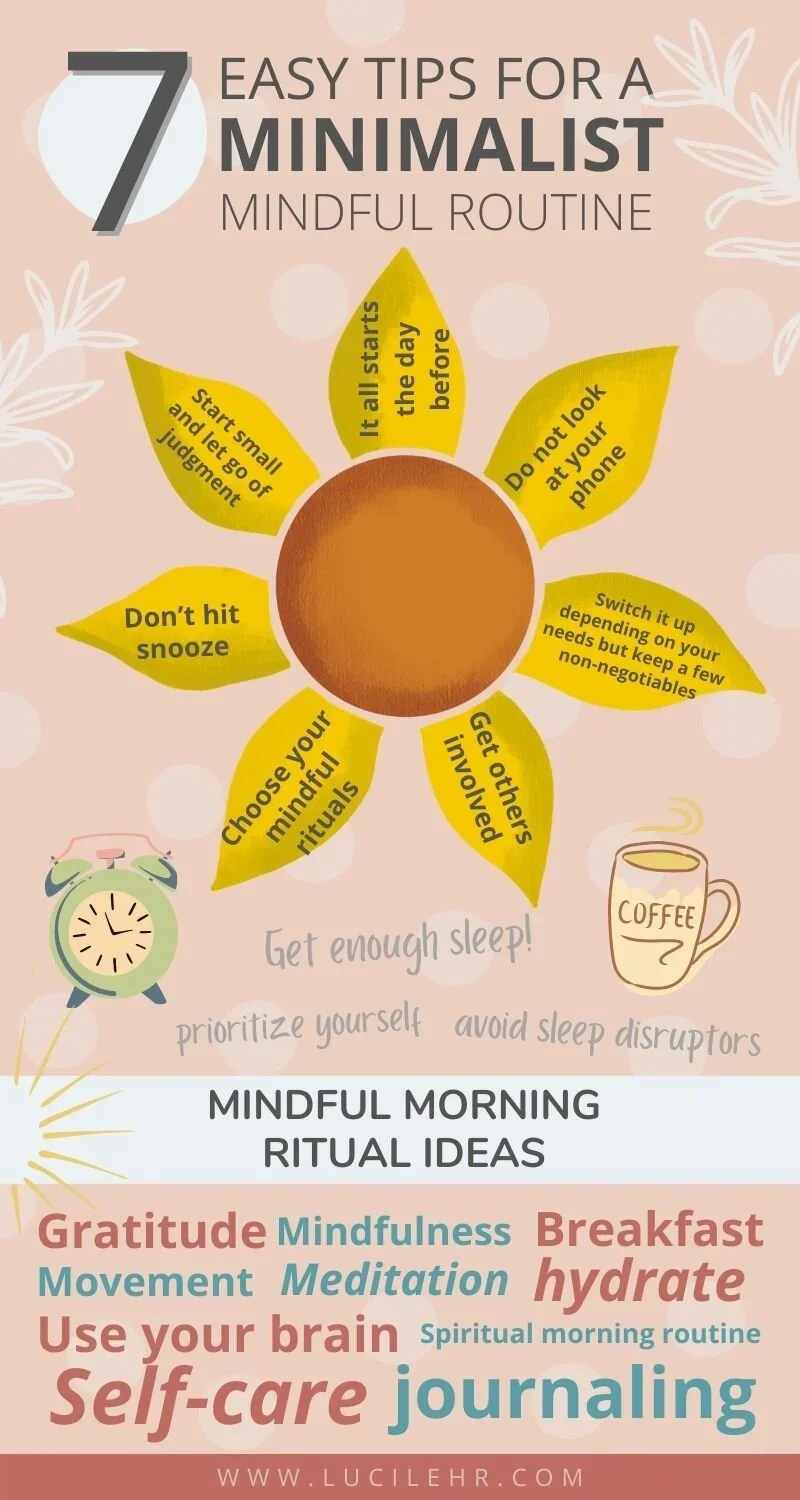
Waking up gently rather than jumping out of bed sets the tone for calm. Try waking 15 to 30 minutes earlier than usual to avoid feeling rushed. Instead of reaching for your phone, spend the first moments noticing your surroundings. Feel the softness of your sheets, listen to distant sounds, and slowly stretch your body. This gentle transition allows your nervous system to shift from sleep to wakefulness smoothly, preventing the jolt many experience with abrupt alarm clocks or stressful thoughts.
Breathing Exercises to Center Your Mind
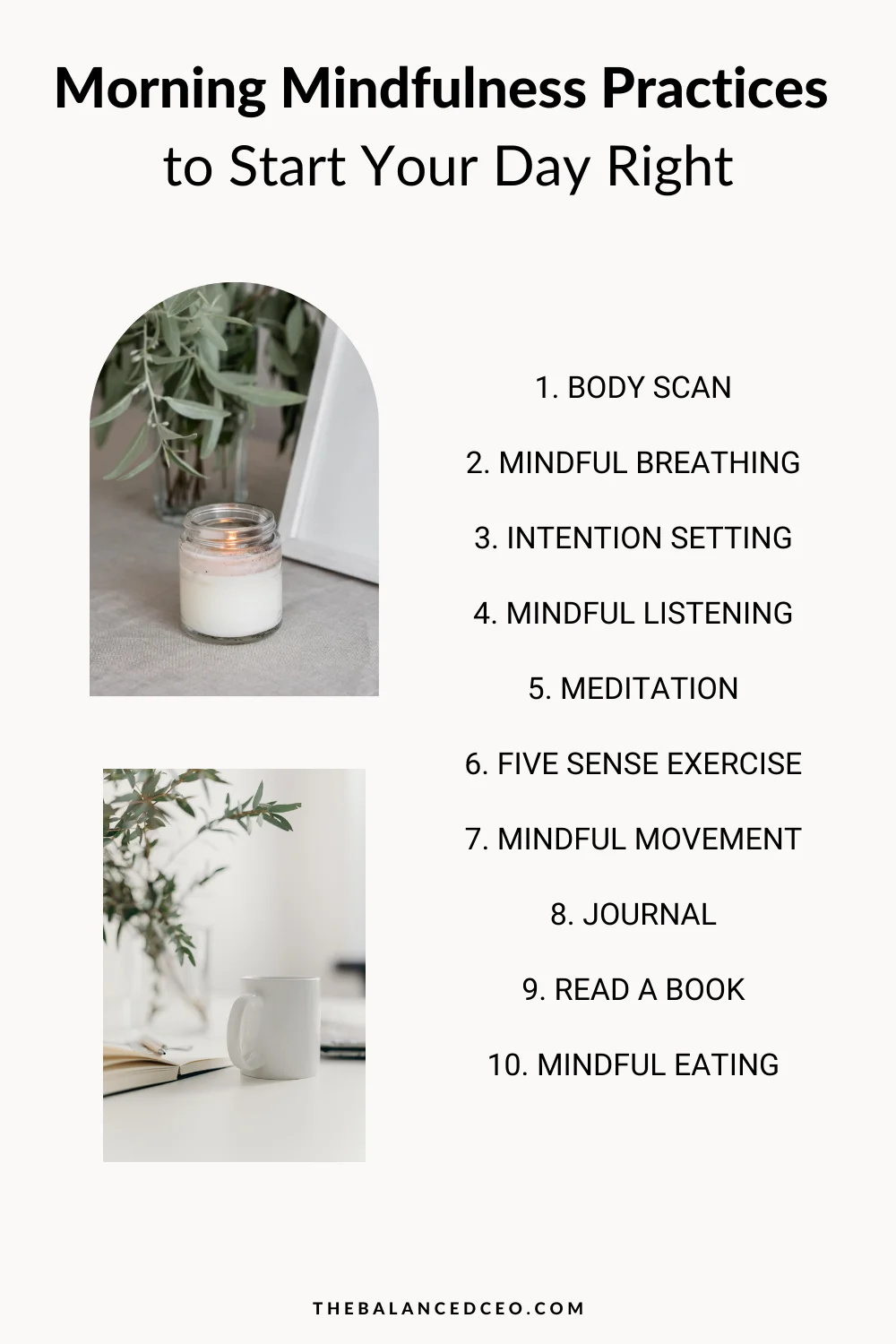
After waking, a simple breathing technique can instantly ground your attention. Focus on slow, deep breaths—inhale for a count of four, hold for four, then exhale for six. This pattern signals your body to relax and can reduce morning anxiety. When John incorporated this practice into his routine, especially before his morning commute, he noticed a remarkable drop in stress levels and an improved sense of control over his thoughts.
Simple Meditation Methods for Beginners
Mindfulness meditation does not require you to empty your mind, a common misconception. Instead, it’s about observing your thoughts and sensations without judgment. Beginners might start by sitting comfortably and focusing on their breath or using a guided meditation app aimed at morning calm. For example, Emma found success by listening to a 10-minute guided meditation that prompted her to visualize a peaceful scene, helping her break negative thought cycles and start her day centered.
Incorporating Mindful Stretching or Yoga
Integrating gentle movement like yoga or stretching connects body awareness to mindfulness. Anna, a busy mother, dedicates five minutes each morning to slow yoga stretches, paying close attention to how her muscles feel and how her breath flows with each movement. This practice not only wakes up her body but also fosters a sense of peaceful presence. Whether it’s seated stretches or a short flow sequence, mindful movement cultivates a harmonious start to the day.
Mindfulness Rituals to Avoid Morning Stress
Digital Detox During Morning Routine
One common cause of morning stress is diving straight into digital distractions. Checking emails, social media, and messages right after waking can trigger stress, worry, and comparison. Mark, a college student, realized that delaying screen time until after his morning mindfulness practice drastically improved his mood. Without the immediate bombardment of notifications, he embraced a calmer, more intentional start free from external pressures.
Creating a Calm Environment
Beyond your mental practices, your physical environment contributes to morning calm. Soft lighting, a tidy space, and pleasant aromas like lavender or fresh coffee can soothe the senses. Sarah, who struggles with morning anxiety, transformed her bedroom with calming colors and an essential oil diffuser. These changes fostered an atmosphere conducive to relaxation and mindfulness, making each morning ritual feel more nurturing than chaotic.
Adapting Practices for Different Lifestyles
Mindfulness for Busy Professionals
Professionals often juggle tight schedules, making mindfulness seem like an added burden. However, simple practices such as mindful breathing during the commute or short gratitude moments before diving into work can fit seamlessly into packed days. Tom, a lawyer, introduced mindfulness by spending two minutes focusing on his breath before meetings. This small habit improved his ability to stay calm under pressure and enhanced his decision-making.
Mindful Mornings with Children
Parents face unique challenges starting their days surrounded by activity and caregiving. Mindfulness with children can be integrated naturally by involving them in simple rituals. For example, Maria begins the day by sharing one thing she and her kids are grateful for, creating a moment of connection and calm before the morning rush. Even teaching children basic breathing exercises can foster family-wide tranquility.
Meditation Tips for Night Owls
For those who wake up late or feel less alert in the morning, mindfulness need not be rushed or complicated. Night owls might find success in shorter sessions that focus on gentle awareness rather than deep meditation. Michael, a freelance artist, practices a quick body scan as soon as he wakes, helping his mind ease into the day without pressure. He combines this with mindful sipping of tea or water to gently transition from sleep to wakefulness.