Understanding Dry Skin and the Role of Natural Facial Oils
What Causes Dry Skin?
Dry skin arises from several internal and external factors. A decrease in estrogen production and slower cell turnover contribute to reduced hydration. Additionally, thinning skin layers and loss of vital components like collagen, elastin, and hyaluronic acid in the dermal layer exacerbate dryness. Environmental damage, including exposure to pollution and harsh weather, disrupts the skin barrier and leads to moisture loss. Inflammation caused by conditions such as rosacea or acne further affects skin hydration, while using oils with high comedogenic ratings can clog pores and worsen the condition.

Benefits of Using Facial Oils for Dry Skin
Facial oils serve as excellent emollients, locking in moisture and reinforcing the skin’s protective barrier. They provide essential fatty acids, vitamins, and antioxidants that support hydration, soften the skin, and shield it from free radical damage. Oils rich in nutrients help repair damage caused by environmental stressors, inflammation, and natural aging processes. Moreover, certain oils have anti-inflammatory and antimicrobial properties, making them suitable for calming redness and preventing flare-ups.
Why Choose Natural Oils?
Natural oils tend to have simpler ingredient profiles, reducing the risk of irritation and allergic reactions. They often retain beneficial compounds like antioxidants when cold-pressed and free from synthetic additives. Compared to synthetic products, natural facial oils provide nourishment that mimics the skin’s own lipids, promoting repair and balance. Their plant-based origins ensure they deliver essential nutrients necessary for healthy skin without unnecessary fillers or fragrances that can aggravate sensitive or reactive skin types.
Top Affordable Natural Facial Oils for Dry Skin
Criteria for Selection
The oils featured are evaluated based on their hydrating ability, ingredient purity, absorption rate, and comedogenic rating to suit dry skin without clogging pores. Affordability and accessibility also played key roles. Products selected contain minimal added fragrances or irritants and are often cold-pressed to maximize beneficial fatty acids and antioxidants. Compatibility with various skin types, including sensitive and acne-prone skin, was an important consideration to ensure broader usability.
Best Budget-Friendly Oils Overview
Among the best affordable options are jojoba oil, rosehip seed oil, and grapeseed oil. Jojoba oil closely resembles the skin’s natural sebum, making it suitable for sensitive and oily skin prone to dryness. Rosehip oil offers deep nourishment and regeneration with its high vitamin A and C content. Grapeseed oil is lightweight and rich in antioxidants, making it ideal for skin needing hydration without excess greasiness. These oils are widely available, pure, and provide effective hydration at reasonable prices.
Detailed Product Comparison
Nourishing Properties and Ingredients
Jojoba oil is packed with vitamin E, essential fatty acids, and natural antioxidants, promoting skin barrier repair and calming inflammation. Rosehip oil contains retinoid esters, which provide gentle retinol-like regeneration benefits with less irritation. Grapeseed oil is rich in linoleic acid, enhancing moisture retention while combating free radical damage. Each oil’s nutrient profile supports different aspects of dry skin care, from soothing to anti-aging, making them versatile choices depending on individual needs.
Absorption and Texture Analysis
Jojoba oil is lightweight, quickly absorbed, and leaves a non-greasy finish, suitable for layering over serums or moisturizers. Rosehip oil has a slightly richer texture but is still fast-absorbing when applied in small amounts, often used for overnight hydration. Grapeseed oil features a silky, fluid texture that spreads easily without clogging pores, ideal for use in warmer climates or for those who dislike heavy oils. These textures cater to different preferences while effectively hydrating dry skin.
Packaging and Shelf Life Considerations
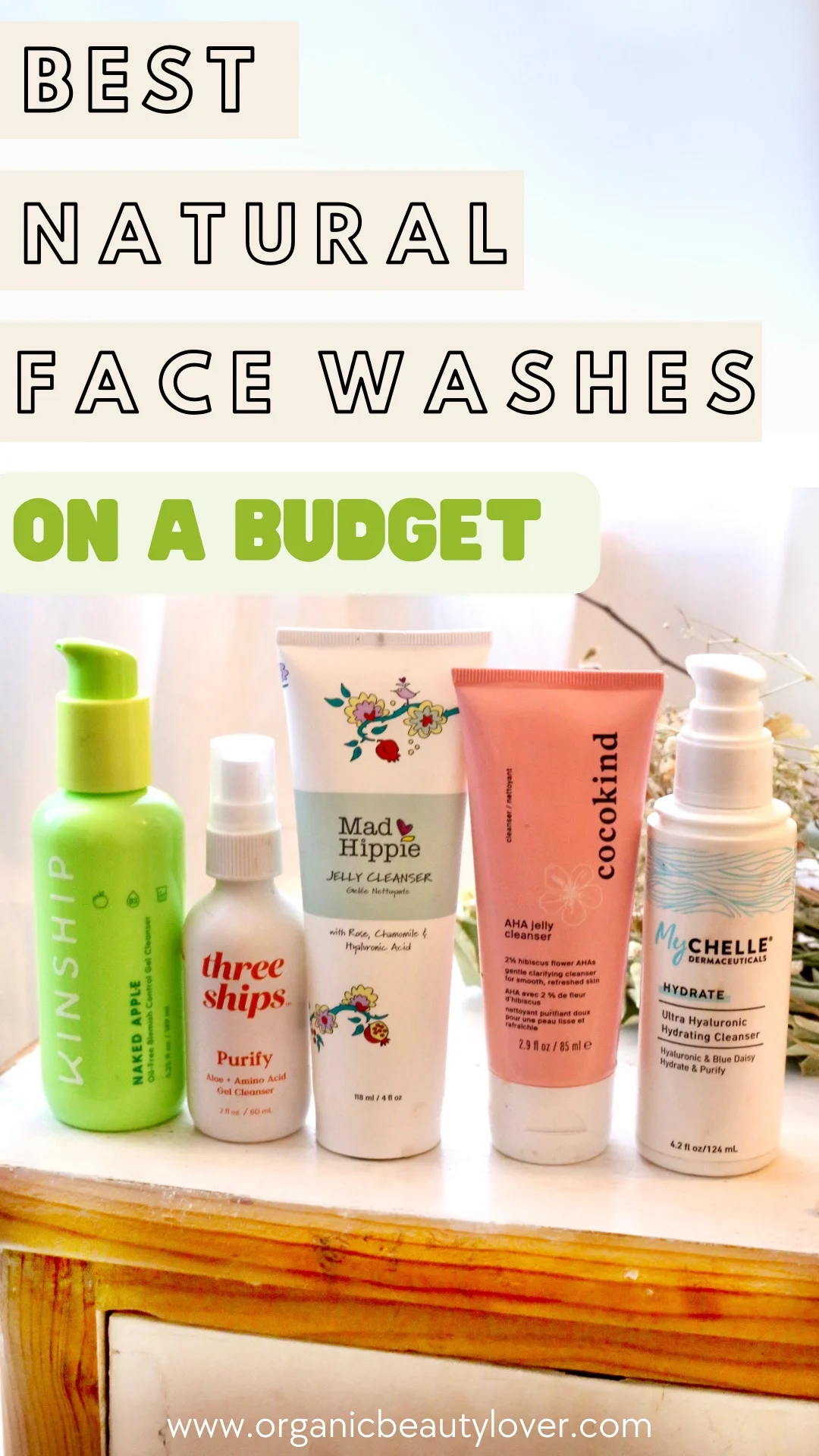
Packaging plays a critical role in preserving oil efficacy. Products in dark glass bottles protect against light degradation, extending shelf life. All three oils generally have a shelf life of 6 to 12 months when stored in cool, dark places. Pumps or droppers are preferred for hygienic application. Some budget-friendly options may use plastic bottles, which are less protective against oxidation but more affordable. Cold-pressed oils require attentive storage to maintain their nutrient levels and effectiveness.
Price vs. Performance: Which Oil Offers the Best Value?
Jojoba oil scores high for value due to its versatility, gentle nature, and competitive price point. Rosehip oil, while slightly pricier, delivers additional regenerative benefits that justify the cost for mature or very dry skin. Grapeseed oil is an excellent option for those seeking affordability and antioxidant protection with a lightweight formula. Overall, each oil provides strong hydration and skin barrier support, with price differences reflecting added benefits or extraction methods rather than significant performance gaps.
How to Choose the Right Facial Oil for Your Skin
Skin Type Compatibility
Identifying your skin’s unique needs is essential. Lightweight oils like jojoba and grapeseed are suitable for combination and sensitive skin types. For very dry or mature skin, richer oils such as rosehip or evening primrose offer deeper nourishment. Acne-prone skin benefits from low-comedogenic oils that reduce pore clogging while providing hydration. Understanding these distinctions helps select oils that support hydration without exacerbating existing concerns.
Potential Allergens and Sensitivities
Many natural oils exclude synthetic fragrances and fillers, but some individuals may be sensitive to plant components. Choosing fragrance-free, minimally processed oils reduces irritation risk. Oils accepted by organizations like the National Eczema Association can provide additional assurance for reactive skin. Patch testing new oils before full application is advisable. Avoiding oils with known allergens or strong essential oils helps maintain skin calmness and avoid flare-ups.
Incorporating Oils into Your Daily Routine
Facial oils are best applied on damp skin or layered over moisturizers to enhance absorption. Using just 2-3 drops ensures proper hydration without greasy buildup. Oils containing retinoid esters should be used at night with sunscreen during the day. Oils can be combined with serums or used alone as final hydration steps. Regular use supports skin barrier repair and long-term moisture retention, improving dry skin texture and resilience over time.
User Reviews and Real-Life Results
Positive Feedback Highlights
Users often praise these natural oils for their lightweight feel and non-greasy finish. Many report significant improvements in skin softness, reduced flakiness, and enhanced glow. Oils like rosehip seed are favored for overnight use due to their regenerative effects. Positive feedback also notes fewer breakouts with low-comedogenic oils such as jojoba, and appreciation for cruelty-free, natural ingredient formulations.
Common Drawbacks Noted by Users
Some users find richer oils too heavy for daytime use or experience initial adjustment phases with retinoid-containing oils. Others mention shorter shelf life requiring frequent repurchasing. Sensitivity reactions are rare but occasionally reported with essential oil blends or fragranced versions. A small group notes variability in texture between batches, often linked to extraction methods. These drawbacks highlight the importance of patch testing and selecting oils tailored to personal preferences.
Conclusion: Affordable Natural Oils That Truly Hydrate
Natural facial oils offer effective, affordable solutions for dry skin by providing hydration, nourishment, and skin barrier support. Jojoba, rosehip, and grapeseed oils stand out for their unique benefits and accessibility. Selecting oils based on skin type and ingredient integrity enhances results while minimizing irritation risks. Incorporating these oils thoughtfully into skincare routines helps combat dryness, protect against environmental stressors, and promote healthy, radiant skin without luxury price tags.