Understanding Scalp Build-Up and Its Effects
Common Causes of Scalp Build-Up
Scalp build-up is a common issue resulting from a mixture of factors that accumulate on the scalp over time. These include flakes, excess oil, product residue, and environmental pollutants like airborne pollution, pollen, and tobacco smoke. Frequent use of hair products containing silicones, heavy synthetic fragrances, and harsh chemicals such as sulfates and parabens can further exacerbate build-up. Additionally, natural processes like normal skin cell shedding and excess sebum production contribute to the accumulation of dead skin cells and oil. When these elements combine, they create a layer that can trap dirt, microbes, and residues, impacting scalp health.
Signs Your Scalp Needs Exfoliation
Recognizing when your scalp needs exfoliation is essential to maintain a healthy environment for hair growth. Common signs include persistent itchiness, visible flakes, an oily or dry scalp, and dull, lifeless hair. Excess use of dry shampoo or infrequent washing can worsen buildup, making the scalp feel heavy or congested. You might also notice irritation or inflammation from the accumulation of impurities and products. If your regular shampooing isn’t removing grime or your scalp feels uncomfortable, it’s a strong indication that exfoliation can help restore balance and promote a clean, refreshed scalp.
Different Types of Scalp Exfoliation Methods
Physical Exfoliation: Scrubs and Brushes
Physical exfoliation involves mechanically removing dead skin cells, excess oil, and buildup by using scrubs or scalp brushes. These scrubs typically contain gentle grains like Himalayan pink salt or sugar that help to buff the scalp without causing damage. When applied correctly, physical exfoliants can transform into a lather, making them easy to work through the hair and rinse away. Scalp brushes with soft bristles are designed to stimulate the scalp while removing residue. It is important to use finger pads or very gentle brushes to avoid scratching or damaging the sensitive skin barrier of the scalp.
Chemical Exfoliation: Acids and Enzymes
Chemical exfoliation uses acids and enzymes to dissolve dead skin cells and remove buildup on the scalp. Common chemical exfoliants include salicylic acid, glycolic acid, lactic acid, and other alpha or beta hydroxy acids (AHAs and BHAs). These ingredients penetrate the scalp’s surface to gently break down the bonds holding dead cells together. Unlike physical scrubs, chemical exfoliants work without manual friction and can be particularly useful for those with sensitive or flaky scalps. However, caution is advised when using these acids—overuse or applying on dry, irritated skin may cause discomfort or sensitivity.
How to Choose the Right Exfoliation Technique for Your Scalp
Considering Scalp Sensitivity
Your scalp’s sensitivity plays a crucial role in selecting the appropriate exfoliation method. If you have sensitive skin or conditions such as eczema or psoriasis, gentle chemical exfoliants with soothing ingredients like rosehip oil or hydrating elements are usually preferable. Overly abrasive physical scrubs can provoke irritation or worsen inflammation. For those with normal to resilient scalps, physical exfoliation using mild scrubs or a soft scalp brush can offer effective, deep cleansing without discomfort.
Hair Type Considerations
Different hair types also influence the choice of exfoliation technique. Oily scalps benefit from more frequent exfoliation with either physical scrubs or salicylic acid treatments to control excess sebum and prevent clogged follicles. Dry or damaged hair requires a gentler approach with less frequent exfoliation, favoring chemical exfoliants that hydrate and soothe rather than abrasive scrubs. Curly or textured hair types may need to prioritize moisturizing ingredients during exfoliation to avoid dryness and breakage while still maintaining scalp cleanliness.
Step-by-Step Guide to Safe Scalp Exfoliation
Preparing Your Scalp
Start by rinsing your hair with warm water before applying any exfoliator. The warmth helps to loosen dirt, oil, and debris while preparing the scalp to better absorb cleansers and exfoliating agents. Avoid scratching or rubbing harshly during this step; a gentle rinse helps soften buildup for easier removal.
Application Techniques to Avoid Irritation
When applying a physical scrub, massage it gently into the scalp using finger pads rather than nails to protect the skin barrier. If using a scalp brush, select one with soft bristles and avoid aggressive scrubbing motions to minimize irritation. For chemical exfoliants such as acid sprays, apply them according to product guidelines, usually once or twice a week, ensuring you avoid contact with broken or inflamed skin. Always create a lather and rinse thoroughly to eliminate residues completely.
Post-Exfoliation Care
Following exfoliation, it’s important to nurture your scalp with hydrating and soothing treatments. Applying natural oils like rosehip or rosemary oil can help restore moisture and reduce inflammation. Avoid harsh styling products immediately after exfoliation to prevent irritation. Consider incorporating scalp treatments designed to foster a healthy environment for hair growth. Finally, limit exfoliation frequency to once weekly or once every two weeks for sensitive or dry scalps to maintain balance without causing flare-ups.
Natural DIY Scalp Exfoliators: Recipes and Tips
Using Ingredients from Your Kitchen
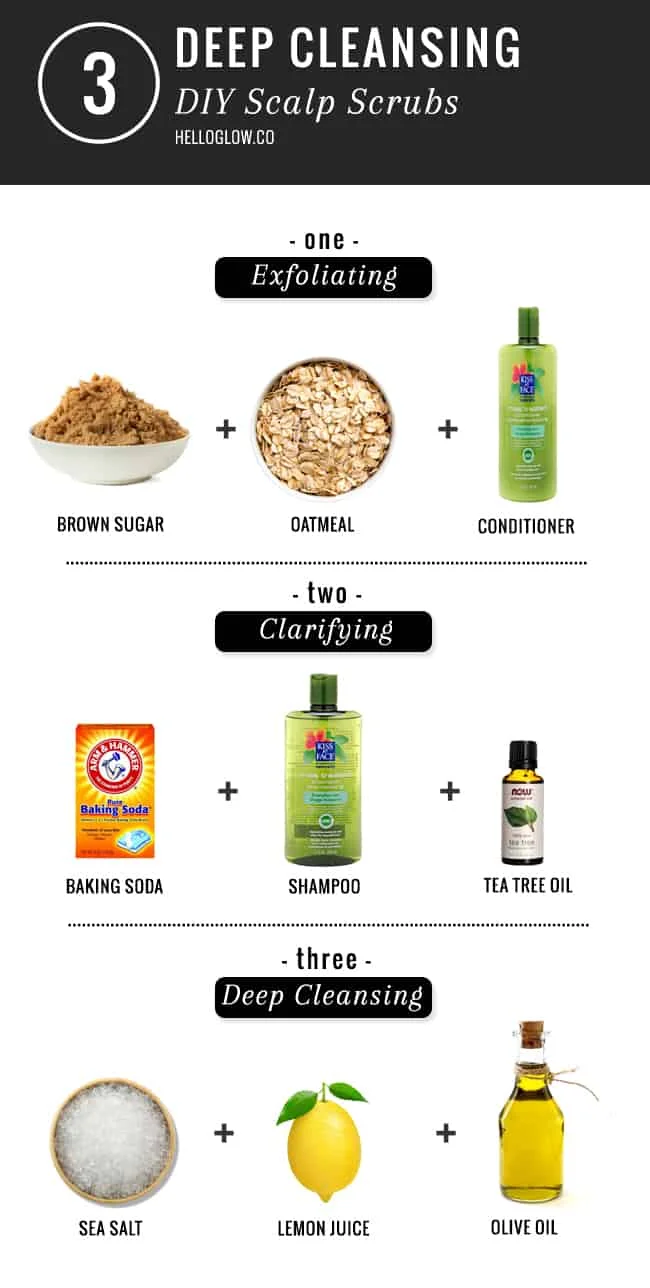
Natural exfoliators can be made easily at home using common kitchen ingredients. For example, mixing sugar or fine Himalayan pink salt with a carrier oil like coconut or olive oil creates a gentle scrub that removes buildup while nourishing the scalp. Another option is combining honey and oatmeal for a soothing exfoliant that calms irritation and flakes. Incorporating essential oils like tea tree or peppermint can add cleansing and anti-inflammatory benefits, further enhancing scalp health.
Precautions When Using Home Remedies
While DIY treatments are attractive for their natural properties, they require careful use to avoid irritation. Always patch-test new mixtures on a small area of skin first to check for sensitivity. Avoid overly abrasive ingredients or large particles that can harm the scalp. It’s also best not to overuse home remedies; limiting application to once every one or two weeks helps prevent over-exfoliation. Finally, steer clear of strong acids or allergens if your scalp is prone to inflammation or existing skin conditions.
Top Recommended Products for Scalp Exfoliation
Overview of Best-Selling Physical Exfoliants
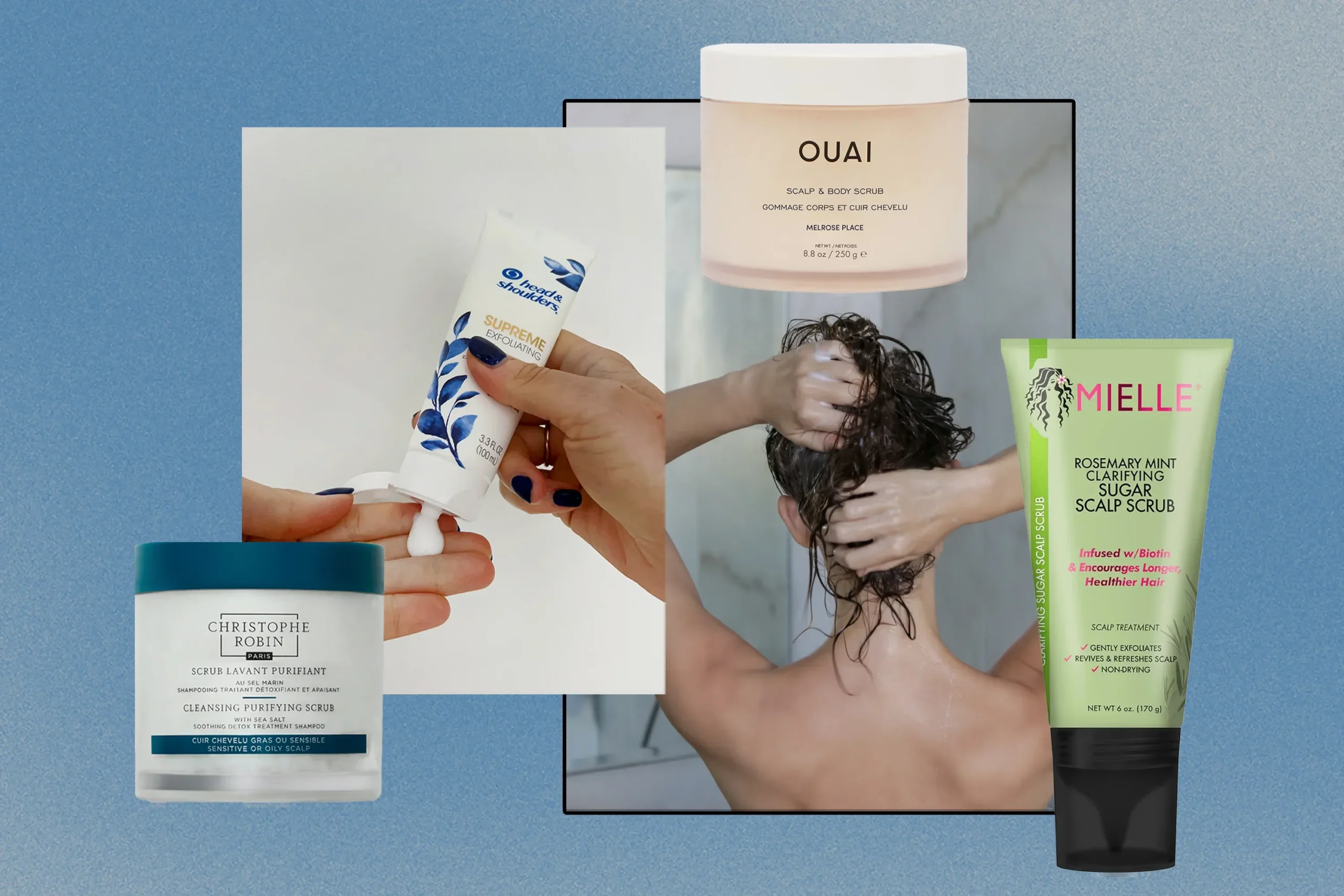
Among the top recommended physical scalp scrubs is the Briogeo Scalp Revival Charcoal + Coconut Oil Micro-Exfoliating Scalp Scrub Shampoo. It balances deep cleansing with soothing ingredients to remove buildup without irritation. For those seeking budget-friendly options, the Head & Shoulders Supreme Exfoliating Scalp Scrub is effective in clearing flakes and excess oil while being gentle on the skin. Many of these scrubs feature small exfoliating particles that transform into a smooth lather, simplifying application and rinsing.
Effective Chemical Exfoliant Options
Chemical exfoliants such as glycolic acid and salicylic acid sprays are widely favored for their ability to dissolve dead skin cells gently. Products designed for scalp use often combine these acids with nourishing oils and hydrating elements to prevent drying. Choosing sulfate-free formulas helps retain scalp moisture while effectively eliminating buildup. When selecting chemical exfoliants, it’s important to consider scalp sensitivity and start with lower concentrations, gradually increasing use based on tolerance.
Maintaining a Healthy Scalp Routine
Frequency of Exfoliation
Maintaining a balanced exfoliation schedule is key to scalp health. For most people, exfoliating once a week is sufficient to remove buildup and promote circulation without over-stripping natural oils. Those with sensitive or dry scalps should reduce frequency to once every two weeks or even less. Over-exfoliation can lead to flaking, irritation, and imbalance, so monitoring your scalp’s response and adjusting accordingly is essential.
Integrating Scalp Care Into Your Haircare Regimen
To support overall scalp health, incorporate exfoliation alongside regular cleansing and moisturizing. Use clarifying shampoos occasionally to remove stubborn product residue, focusing the shampoo application on the scalp and applying it to wet hair. Follow exfoliation with conditioners or scalp treatments containing soothing oils like rosemary or orange-peel oil to reduce inflammation and provide antioxidants. Selecting scalp scrubs that double as shampoos can simplify your routine, making scalp care both efficient and effective.