Why Posture Matters for Desk Workers
Health Risks Associated with Poor Posture
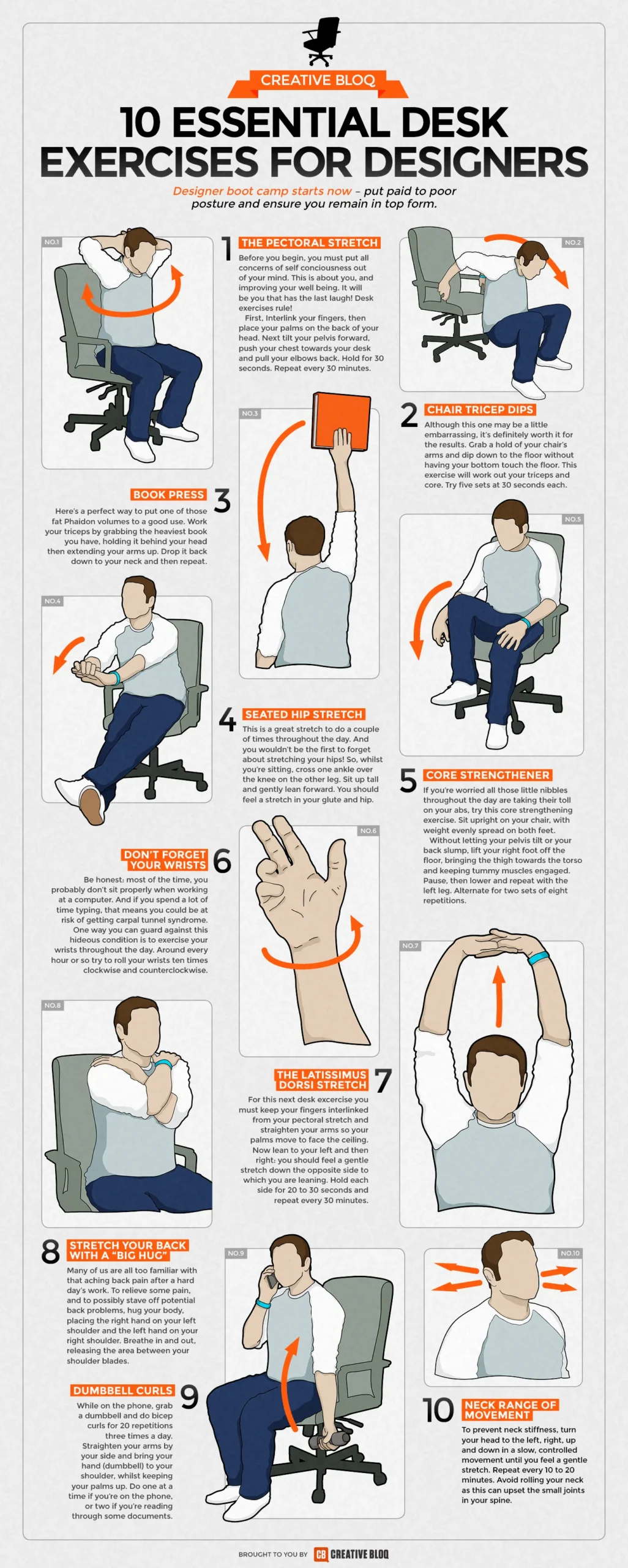
Spending long hours sitting at a desk often leads to muscle strain and tightness, which can cause a hunched posture known as upper-crossed syndrome. Poor posture habits, such as shoulders hunched forward and the head jutting forward, increase tension in the neck, chest, and upper back. This frequently results in neck strain and discomfort, affecting overall work productivity and well-being.
How Strength Training Helps Correct Posture
Strength training targets muscle imbalances caused by prolonged sitting and poor ergonomics. By strengthening the core, upper back, and hips, individuals can realign the spine and improve shoulder stability. This enhanced muscular support helps maintain an upright posture, reducing the risk of strain and minimizing the compensatory patterns that worsen with bad desk habits.
Key Muscle Groups to Target for Improved Posture
Core Muscles: The Foundation
The core muscles stabilize the spine and pelvis, making them essential for upright posture. A strong core prevents slouching by supporting the lower back and maintaining the natural curve of the spine. Many desk workers neglect this area, which leads to compensatory stress on the lower back and hips.
Upper Back and Shoulder Stability
Muscle imbalances in the neck, chest, shoulders, and upper back contribute to the forward head and rounded shoulder posture seen in desk workers. Strengthening the upper back muscles improves shoulder blade control and counteracts the tightness in the chest, promoting better alignment and reducing upper-crossed syndrome symptoms.
Hip Flexors and Lower Back Support
Prolonged sitting shortens the hip flexors, leading to lower back discomfort and poor posture. Supporting the lower back through hip and glute strength counters this effect by enhancing pelvic position. Balanced hip and lower back muscles contribute to a more stable and neutral spinal posture while sitting and moving.
Top Strength Training Exercises for Desk Workers
Core-Strengthening Moves
Effective core exercises for posture include planks and floor bridges. These strengthen the abdominals and lower back, encouraging proper alignment. Holding the top position of the bridge for a couple of seconds before lowering engages stabilizing muscles. Controlled, slow movements maximize muscle activation and postural gains.
Upper Back and Shoulder Workouts
Exercises such as shoulder blade squeezes, wall angels, and YTA movements focus on scapular control and upper back strength. Performing YTA movements slowly with a six-second count and leaning the upper body slightly forward increases difficulty and effectiveness. These exercises retrain posture, reducing forward head tendencies and compensatory muscle patterns.
Lower Body Exercises That Support Posture
Lower body movements like squats and quadruped chin tucks help release tight hip flexors and improve core engagement. Incorporating reaches, rolls, and lifts targets multiple muscle groups to support spinal alignment. Regularly standing and performing these exercises breaks up long sitting periods and promotes movement-friendly alignment.
Creating an Effective Weekly Strength Routine
Warm-Up and Stretching Tips
Start with mobility movements such as knee hugs, Frankenstein kicks, and squat to stand for two to four minutes to prepare the body. Using foam rollers before stretching helps inhibit overactive muscles and enhances flexibility. Gentle neck stretches, like upper trapezius stretches, relieve tension while seated with correct posture.
Frequency and Intensity Guidelines
Complete strength exercises in circuits to ensure balanced muscle engagement. Finish all ‘A’ exercises before progressing to ‘B’ and so on. Performing exercises slowly and with controlled movements is key, emphasizing quality over quantity. Allow rest days between sessions and maintain consistency for improvements in posture.
Additional Tips to Maintain Good Posture Throughout the Day
Maintaining ideal posture involves adjusting screens and reading materials to eye level to avoid neck strain. Keeping feet flat on the floor and using lumbar support helps reduce discomfort. Regularly standing up and moving interrupts long sitting sessions, minimizing muscle tightness. Avoid dropping or jutting the head forward to prevent neck and shoulder strain. Consistently practicing recommended exercises and consulting ergonomic advice supports lasting posture improvement.