Understanding Sensitive Skin and Aging
What Makes Skin Sensitive?
Sensitive skin is prone to reactions such as redness, itching, and dryness due to a weakened skin barrier. The skin’s protective layer is compromised, allowing irritants and allergens to penetrate more easily. This heightened reactivity often results from environmental factors, genetics, or the use of overly harsh skincare products. For those with sensitive skin, even common ingredients can trigger discomfort, making it crucial to select products carefully to maintain skin health without provoking irritation.
How Aging Affects Sensitive Skin
As skin ages, it naturally loses elasticity and moisture, making it more fragile and susceptible to damage. The decreased production of natural oils, along with the loss of collagen and elastin, weakens the skin’s structure, leading to dryness, fine lines, and a dull complexion. For sensitive skin, these changes exacerbate irritation risks because the barrier becomes thinner and less resilient. Factors like UV exposure further accelerate collagen breakdown, causing wrinkles and hyperpigmentation, which sensitive skin struggles to heal from effectively.
Key Ingredients to Look for in Anti-Aging Products
Gentle Anti-Aging Actives
Choosing the right ingredients is essential to address signs of aging while keeping sensitive skin calm and balanced. Ingredients like hyaluronic acid offer hydration by attracting moisture without causing irritation. Peptides support collagen production subtly, helping to firm the skin without aggressive exfoliation. Retinol derivatives, such as encapsulated retinol, can reduce wrinkles but need to be formulated gently to minimize sensitivity. Ceramides help restore the skin barrier by reinforcing its natural protective lipids. Vitamin C serums, particularly those with 10% pure L-ascorbic acid, brighten dullness and even out skin tone without harsh side effects when used appropriately.
Avoiding Irritants: What to Skip
Many anti-aging products contain fragrances, alcohol, or harsh exfoliants that can aggravate sensitive skin and worsen dryness or redness. Fragrance-free formulations are preferable to avoid unnecessary irritation. Harsh cleansers or toners with alcohol strips away natural oils, damaging the skin barrier further. Overusing strong retinoids or acids daily without proper rotation or pulsing can lead to inflammation. It is equally important to avoid products that clog pores, as this can exacerbate sensitivity and lead to breakouts or congestion.
Step-by-Step Daily Routine for Sensitive Skin
Morning Ritual: Cleansing and Protection
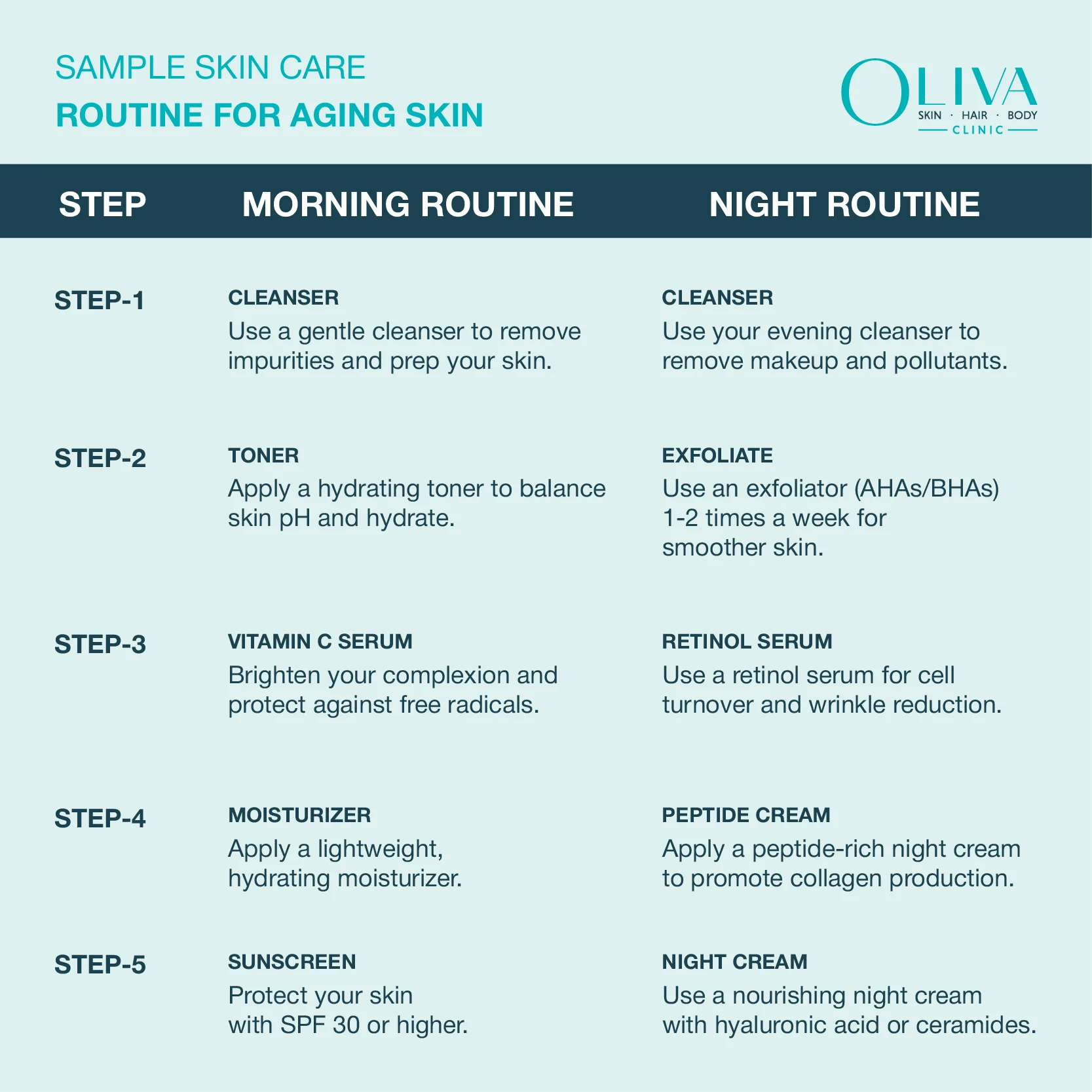
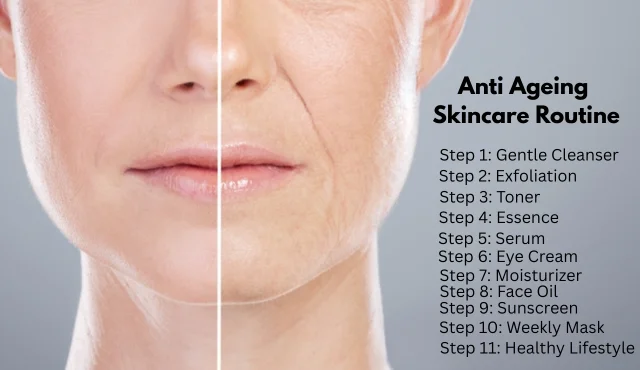
Begin your day with a gentle, hydrating cleanser designed to remove impurities without stripping essential moisture or weakening the skin barrier. Avoid formulations with added fragrances to prevent irritation. After cleansing, applying an alcohol-free toner or essence with soothing ingredients helps balance the skin’s pH and prepare it for active treatment. Follow with a vitamin C serum to brighten your complexion and protect against environmental damage. Next, use a moisturizer containing ceramides and hyaluronic acid to maintain hydration and strengthen the barrier. Finally, apply a day cream with built-in SPF and encapsulated retinol to shield your skin from UV rays while delivering anti-aging benefits.
Evening Care: Repair and Nourishment
Evening skincare should focus on repairing damage and replenishing moisture lost throughout the day. Start by removing makeup and impurities gently with the same mild cleanser used in the morning. Apply a toner or essence to soothe and prep the skin. Use a serum containing targeted active ingredients like retinol, peptides, or bakuchiol, rotating them to minimize irritation and optimize results. Don’t forget the delicate eye area; using a peptide-rich or caffeine-infused eye cream can reduce puffiness and smooth fine lines when tapped gently with the ring finger. Finish with a rich moisturizer that supports skin regeneration, ideally without SPF, to allow the skin to breathe overnight and recover effectively.
Additional Tips for Managing Sensitivity and Aging
Sun Protection Strategies
Daily sun protection is non-negotiable for combating premature aging and maintaining healthy sensitive skin. UV rays hasten the breakdown of collagen and elastin, leading to wrinkles, pigmentation, and laxity. Wearing broad-spectrum sunscreen every morning, even on cloudy days, and reapplying throughout the day forms the frontline defense. Complement this habit with physical barriers like hats and seeking shade when possible. Consistent use of sun protection minimizes irritation triggered by UV exposure and prevents further weakening of the skin barrier.
Diet and Lifestyle for Healthy Skin
A balanced diet rich in antioxidants, vitamins, and hydration supports skin health from within. Foods high in vitamin C, omega-3 fatty acids, and antioxidants can aid collagen synthesis and reduce inflammation. Avoiding smoking is critical because it accelerates aging by damaging skin elasticity and reducing moisture retention. Hydrating adequately and managing stress levels also contribute to a radiant complexion and robust skin barrier. Lifestyle adjustments combined with a mindful skincare routine create a holistic approach to managing aging and sensitivity effectively.
Common Mistakes to Avoid in Your Skincare Routine
One major pitfall is over-stripping the skin with harsh cleansers, which exacerbates dryness and sensitivity by compromising the barrier. Many neglect daily sun protection, inadvertently accelerating photodamage and age spots. Using products that clog pores or contain irritating fragrances can worsen skin conditions, creating a vicious cycle of inflammation. Another frequent error is ignoring early aging signs, delaying the initiation of a proper routine that could slow progress. Inconsistent application of anti-aging products reduces their effectiveness and may lead to patchy results. Overusing active serums without pulsing risks redness and irritation, particularly with sensitive skin. Finally, tugging or pulling at the delicate eye area during product application can cause premature sagging and wrinkles. Avoiding these mistakes ensures your skincare routine delivers consistent, gentle, and effective results.