Understanding the Importance of Stretching for Desk Workers
The Impact of Prolonged Sitting on Flexibility
Many desk workers spend the majority of their day sitting in one place, often adopting poor posture and engaging in repetitive motions. This prolonged sitting can lead to stiffness, reduced spinal mobility, and tension in key muscle groups such as the hamstrings and lower back. Over time, these effects contribute to decreased flexibility, limiting range of motion and increasing discomfort. The habitual nature of sitting for extended periods also affects circulation and can cause an imbalance in the nervous system, which further exacerbates muscular tightness and stress.
Benefits of Incorporating Daily Stretching
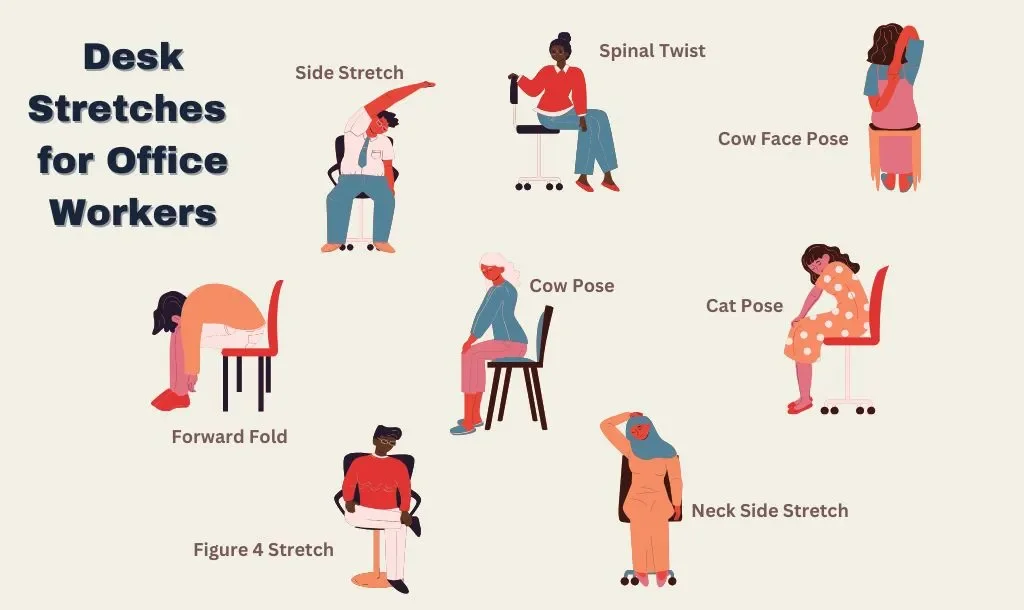
Incorporating a daily stretching routine offers a practical solution to combat the negative effects of sedentary desk jobs. Stretching helps alleviate daily tension and stiffness by promoting blood flow and enhancing joint mobility. Beyond physical benefits, consistent stretching can improve posture and provide stress relief, contributing to an overall improvement in mood and wellbeing. Regularly moving and stretching helps counteract habits built while sitting at a desk, encouraging a more balanced and comfortable body alignment throughout the workday.
Key Components of an Effective Stretching Routine
Targeting Common Problem Areas
Desk workers commonly experience stiffness in specific areas such as the neck, shoulders, upper back, hips, and hamstrings. An effective stretching routine needs to focus on these zones to address tension buildup resulting from poor posture and prolonged sitting. Stretches like shoulder shrugs, neck stretches, and forward folds target upper body tightness, while hip and hamstring stretches counteract the effects of reduced lower body movement. Addressing these areas helps restore spinal mobility and relaxes muscles that often become overworked or underused in sedentary roles.
Time Commitment and Frequency
Building flexibility through stretching doesn’t require large time commitments. A manageable daily routine lasting about 15 minutes can provide significant benefits if practiced consistently. Frequent movement breaks throughout the workday, even if brief, can prevent stiffness and maintain flexibility. Setting reminders to stretch or walk briefly every hour creates opportunities to reset posture and circulation. Consistency is crucial; stretching once in a while is less effective than incorporating it into your daily schedule.
Step-by-Step Guide to Building Your Daily Stretching Routine
Warm-Up Movements to Prepare the Body
Before diving into deeper stretches, it’s important to prepare your body with gentle warm-up movements. Simple actions such as standing breathing exercises and arm circles can awaken your muscles and increase circulation. Adding gentle neck rolls while moving the arms helps release tension in areas prone to stiffness. These initial movements reconnect you to your body, promote calmness in the nervous system, and create a foundation for effective stretching.
Essential Stretches for Neck, Shoulders, and Back
Focusing on the upper body, incorporating stretches like the triceps stretch, overhead reach, and shoulder stretch can relieve tension accumulated from extended desk work. Moves such as the cat-cow stretch promote spinal flexibility and encourage mobility in the back, while forward stretches and torso twists stretch muscles along the spine and side body. These stretches should be done attentively, breathing normally and avoiding any forceful movements that could cause discomfort.
Lower Body Stretches to Counteract Sitting
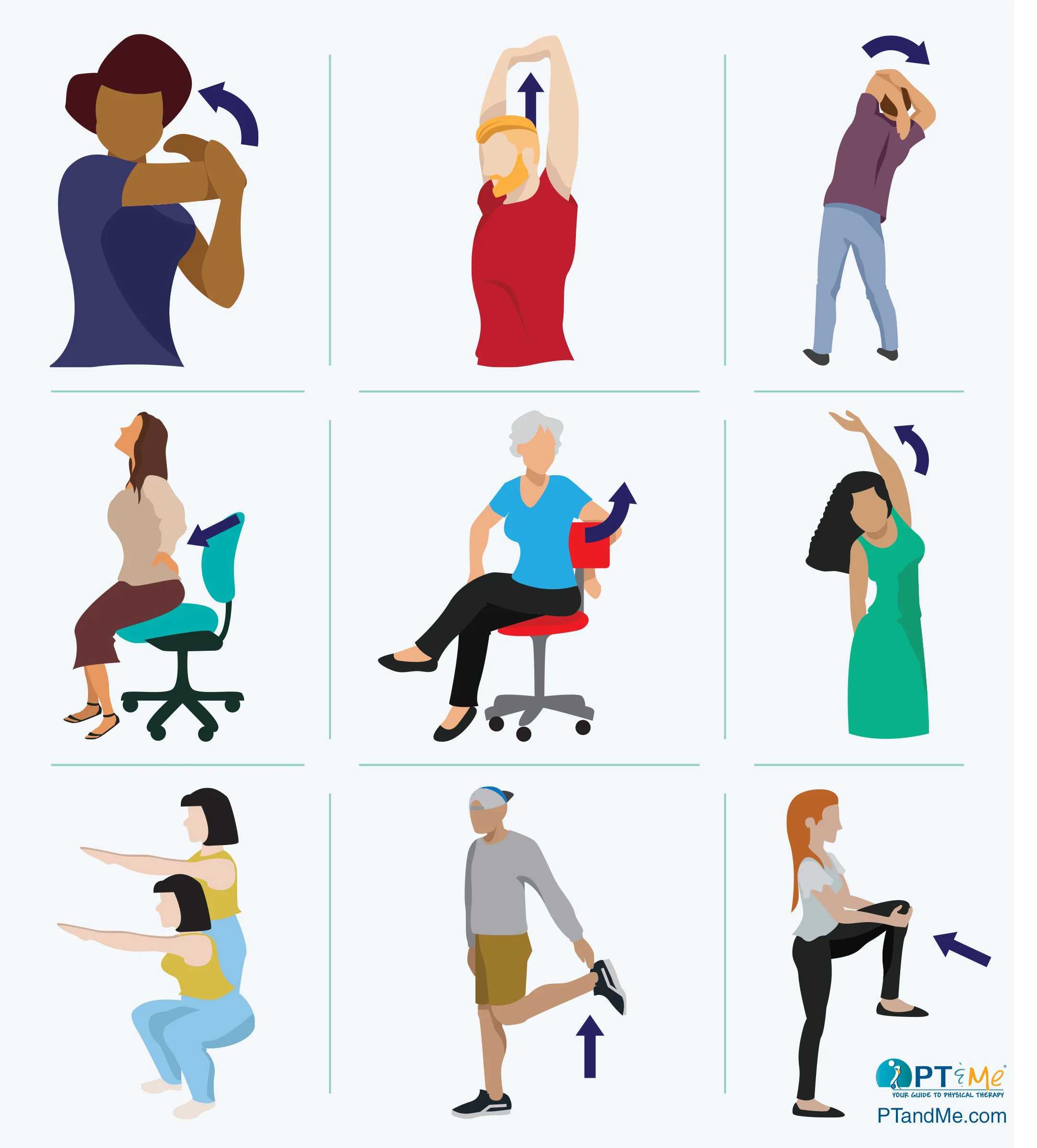
The lower body often suffers from tight hips and hamstrings due to prolonged sitting. Including hip and knee flexion stretches along with hamstrings stretches helps restore range of motion. It’s important to perform hamstrings stretches one leg at a time to reduce the risk of back issues. Using supportive props like a yoga block under the pelvis during hip rolls can help maintain correct posture. Incorporating poses such as legs up the wall and supine twists further assists in releasing tension and improving circulation after hours of inactivity.
Cooldown and Breathing Techniques
Concluding your routine with cooldown movements and breathing exercises encourages relaxation and recovery. Supine belly breathing combined with full-body stretching gently signals the nervous system to enter a state of rest and repair. Staying in each stretch for several deep breaths enhances the effectiveness and helps reduce muscle tightness. This calm end to your practice reinforces body awareness and prepares you to return to work feeling refreshed.
Tips for Staying Consistent with Your Stretching Routine
Setting Reminders and Creating a Comfortable Space
Consistency can be challenging without proper reminders and a supportive environment. Setting timers or using break reminder apps like StretchClock can prompt you to take movement breaks regularly. Additionally, establishing a comfortable space to stretch—whether at your desk or in a quiet corner—makes it easier to commit to the routine. Having access to ergonomic furniture or a flexible standing desk encourages position changes, supporting sustained flexibility improvements.
Tracking Progress and Adjusting Intensity
Paying attention to your body’s feedback allows you to gradually adjust the intensity and duration of your stretches. Avoid striving for extreme range of motion initially, and focus on what feels comfortable. Tracking improvements in flexibility and how your body responds to the routine can motivate continued effort. Remember to repeat stretches on both sides when applicable and incorporate breath focus, which supports posture alignment and enhances the overall experience.
Common Mistakes to Avoid When Stretching
Overstretching and Poor Posture
One common pitfall is pushing beyond comfortable limits, which can cause strain or injury. Overstretching, especially without proper alignment, undermines the benefits of your routine. Likewise, neglecting posture during stretches can reduce effectiveness and contribute to discomfort. It is important to let gravity guide your movements gently, rather than forcing positions, and to maintain engagement of the core to support the hips and spine.
Ignoring Pain Signals
Ignoring discomfort or pain during stretching is a mistake that can lead to injury. Stretching should never cause sharp or intense pain, and listening to your body’s signals is critical. Additionally, many people hold their breath without realizing it, which can increase tension rather than relieve it. Practicing normal, deep breathing and avoiding breath-holding helps maximize relaxation and stretch effectiveness. Skipping consistent practice or neglecting breath focus and posture are other common errors that can diminish benefits.
Additional Resources and Tools to Support Flexibility
Recommended Apps and Videos
Several apps and online videos are designed to support desk workers in maintaining flexibility. Break reminder apps like StretchClock provide prompts and guided stretching sessions built around work schedules. Additionally, instructional videos featuring routines with movements such as standing roll downs, thread the needle stretches, and supine twists offer clear demonstrations to build confidence and ensure proper form during practice.
Professional Guidance and When to Seek It
While a daily stretching routine can greatly improve flexibility, professional guidance may become necessary for personalized advice. Health and wellness professionals can help tailor stretches and movement strategies that suit individual needs and limitations. Consulting with a specialist is especially important if pain or mobility issues persist despite regular stretching, ensuring that your approach supports long-term health without causing inadvertent harm.