Introduction to Mediterranean Diet Meal Prepping
Benefits of Mediterranean Diet for Busy Professionals
The Mediterranean diet is celebrated for promoting heart health and reducing inflammation. It emphasizes whole grains, healthy fats like olive oil, fresh vegetables, fruits, legumes, and lean proteins such as fish and chicken. For busy professionals, this diet provides sustained energy and mental clarity, which are crucial during demanding workdays. Its balanced components support long-term health and help maintain focus and productivity.
Why Meal Prep is Essential for a Productive Workweek
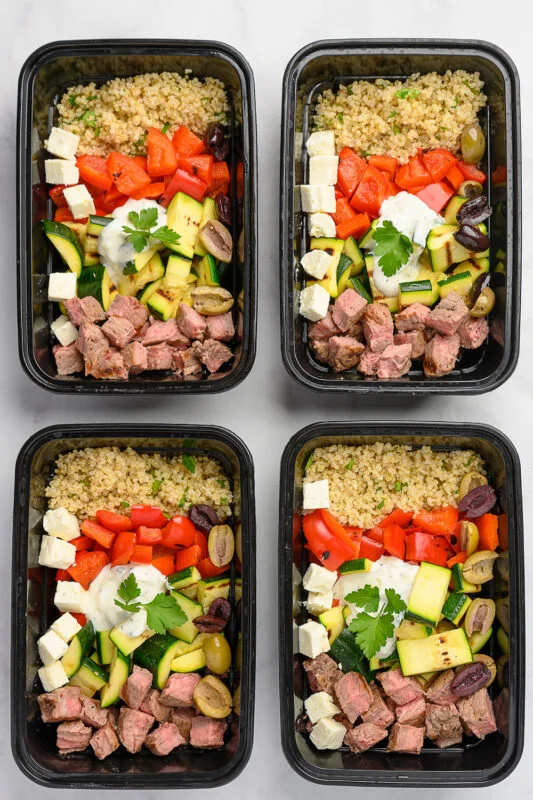
Meal prepping takes the stress out of daily cooking and ensures you have ready-to-eat nutritious lunches. When time is limited, reaching for unhealthy convenience foods often becomes the default. Preparing Mediterranean lunches in advance saves time and money while making it easier to maintain a healthy eating routine. It also reduces decision fatigue, allowing you to concentrate more on work tasks.
Planning Your Mediterranean Lunches
Choosing Nutrient-Dense Ingredients
Selecting ingredients rich in nutrients is vital for a balanced midday meal. Opt for fresh vegetables like spinach, tomatoes, cucumbers, and bell peppers, which provide fiber and antioxidants. Legumes such as chickpeas and lentils offer plant-based protein and help control blood sugar levels. Incorporate healthy fats from olives, nuts, and extra virgin olive oil to support brain function and reduce inflammation.
Creating a Balanced Meal Plan: Proteins, Fats, and Carbs
A well-rounded Mediterranean lunch combines lean proteins, healthy fats, and complex carbohydrates. Proteins can come from sources like grilled chicken, fish, or legumes, which help keep you full and energized. Whole grains such as quinoa or farro provide sustained energy without blood sugar spikes. Healthy fats from nuts, seeds, and olive oil improve satiety and add flavor, rounding out the meal perfectly.
Incorporating Seasonal and Fresh Produce
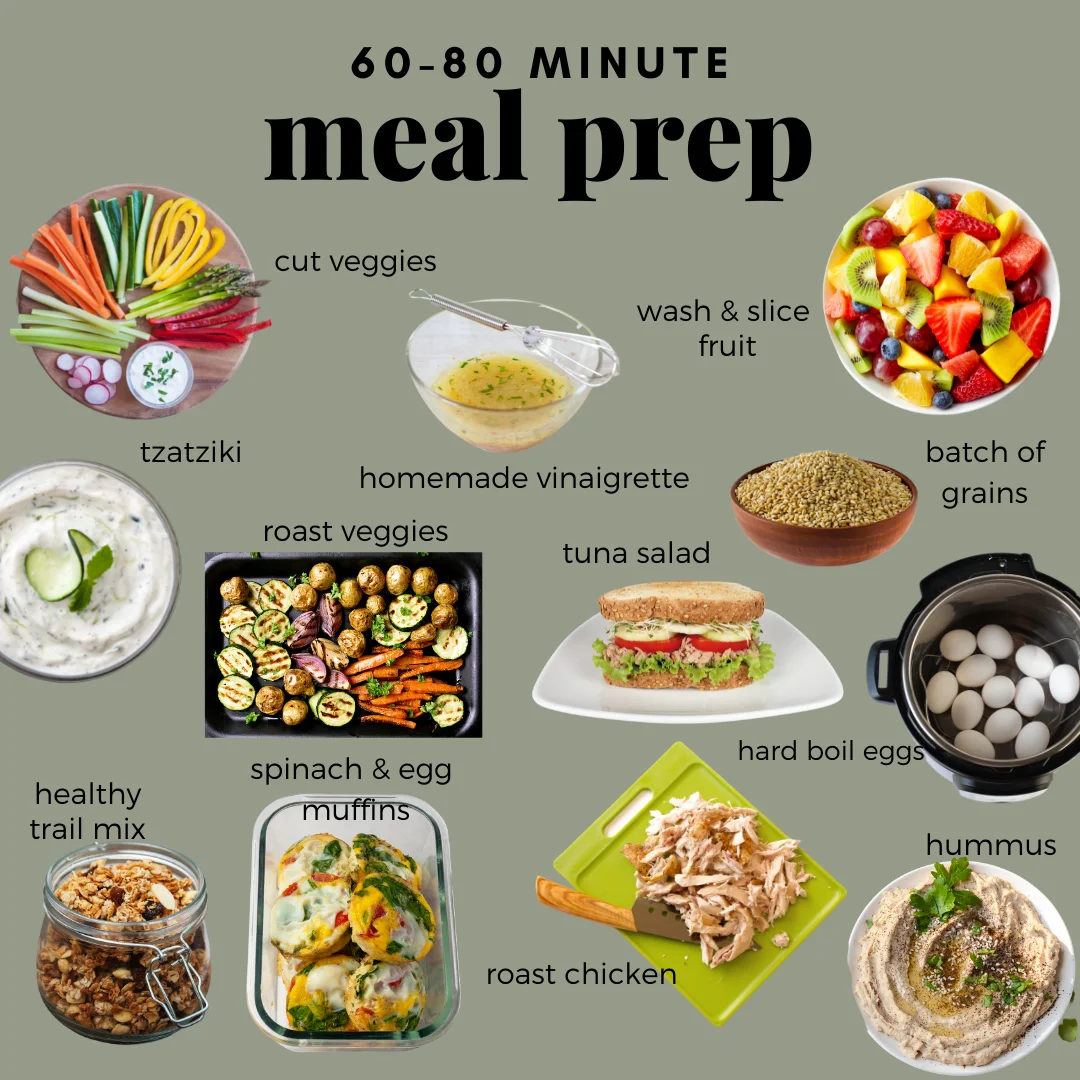
Using seasonal produce not only enhances the flavor of your meals but also boosts nutritional value and supports local farmers. Fresh herbs like parsley, mint, and basil add brightness and depth to dishes without extra calories or sodium. Shopping for produce that’s in season leads to more vibrant, diverse meals and can reduce overall grocery expenses.
Step-by-Step Guide to Meal Prep
Essential Tools and Containers for Effective Meal Prep
Successful meal prepping begins with having the right tools. Stackable containers with secure lids help keep meals fresh and organized. Glass containers are ideal for reheating and resisting stains and odors. Invest in a sharp knife and cutting board to speed up vegetable prep. Measuring cups and a slow cooker can also streamline the cooking process for Mediterranean dishes.
Batch Cooking Mediterranean Staples
Batch cooking involves making large quantities of staple ingredients that can be mixed and matched throughout the week. Prepare grains like quinoa and whole wheat pasta in advance. Roast vegetables or cook legumes such as chickpeas and lentils in bulk. Slow-cooker recipes, such as chicken and chickpea soup, make it easy to create comforting meals with minimal hands-on time.
Assembling and Storing Lunches for the Week
Once ingredients are ready, assemble meals to maintain freshness and texture. Keep dressings and sauces separate until serving to avoid sogginess. Use layered containers for salads, placing heavier items like grains at the bottom and leafy greens on top. Label your containers with dates to keep track of freshness. Store meals in the refrigerator, consuming them within 3 to 5 days for optimal taste and safety.
Top 5 Easy and Delicious Mediterranean Lunch Recipes
Greek Chickpea Salad with Feta and Olive Oil
This salad combines canned chickpeas, diced cucumbers, tomatoes, red onions, and crumbled feta cheese. Toss with extra virgin olive oil and a splash of lemon juice for brightness. Adding olives enhances flavor while providing healthy fats. It requires no cooking and can be made quickly using pantry staples.
Quinoa Tabbouleh with Fresh Herbs and Lemon
Quinoa tabbouleh replaces traditional bulgur with protein-rich quinoa. Combining parsley, mint, diced tomatoes, and cucumbers with lemon juice creates a vibrant, refreshing salad. This dish works well as a side or a light main and benefits from the addition of olive oil for richness.
Grilled Chicken Pita Wraps with Tzatziki Sauce
Grilled chicken seasoned with Mediterranean herbs pairs wonderfully with creamy tzatziki sauce. Use whole-wheat pita bread to add fiber and fold in fresh veggies such as lettuce and tomatoes. Premade tzatziki is convenient, but homemade versions using yogurt, cucumber, and garlic also work well. A squeeze of lemon elevates the flavors.
Roasted Vegetable and Hummus Bowls
Roasting seasonal vegetables like zucchini, eggplant, and bell peppers brings out their natural sweetness. Pair them with a generous serving of hummus and whole grains like farro or couscous to create a balanced bowl. The combination provides fiber, protein, and healthy fats for a filling lunch.
Mediterranean Tuna Salad with Olives and Capers
This salad features canned tuna mixed with olives, capers, red onion, and celery for crunch. Bind with olive oil and lemon juice instead of mayonnaise to keep it light. Serve atop mixed greens or stuffed into pita pockets for a protein-packed meal.
Tips for Keeping Lunches Fresh and Flavorful
Proper Storage Techniques
Storing Mediterranean lunches correctly is key to maintaining taste and nutrients. Use airtight containers and refrigerate promptly after assembling. Keep wet and dry components separate when possible. Bagged salad blends save prep time and reduce the risk of soggy greens. Label meals with preparation dates to ensure freshness.
Reheating Without Losing Nutritional Value
Reheat meals gently to preserve texture and nutrients. Microwave on medium power or reheat in a covered skillet with a splash of water or olive oil. Avoid overheating, which can diminish the freshness of herbs and vegetables. For soups and stews, slow reheating enhances flavor development.
Adapting Mediterranean Meal Prep For Dietary Restrictions
Gluten-Free Mediterranean Options
Many Mediterranean ingredients are naturally gluten-free. Substitute wheat-based products with quinoa, rice, or gluten-free grains. Use gluten-free pita or enjoy meals as salads or bowls to avoid gluten entirely. Always check labels on packaged foods for hidden gluten.
Vegetarian and Vegan Modifications
The diet’s heavy reliance on plant-based foods makes vegetarian and vegan adaptations straightforward. Replace animal proteins with legumes, tofu, or tempeh. Use plant-based yogurt for tzatziki sauces. Incorporate a variety of nuts and seeds to boost protein and healthy fat intake while keeping meals flavorful and satisfying.
Conclusion: Making Mediterranean Meal Prep a Sustainable Habit
Meal prepping Mediterranean lunches blends convenience with nutrition, allowing busy professionals to eat healthily without sacrificing time. By planning balanced meals, using seasonal produce, and batch cooking staples, you create a sustainable routine that supports both productivity and well-being. With practice and simple strategies, Mediterranean meal prep can become an effortless part of your workweek rhythm.