Essential Pre-Packing Strategies for Beach Trips
How to Create a Family Packing Checklist
Starting with a well-structured family packing checklist is critical to reducing stress and avoiding forgotten essentials. Break the list down by family member and item categories such as clothing, toiletries, beach gear, and snacks. This division ensures everyone’s needs are met without excess duplication. Maintaining a master checklist saved digitally or on paper can streamline packing for multiple trips, allowing you to check items off as they are packed. Involving kids by assigning them personal lists encourages responsibility and minimizes last-minute panics.
Choosing the Right Luggage for Maximum Space
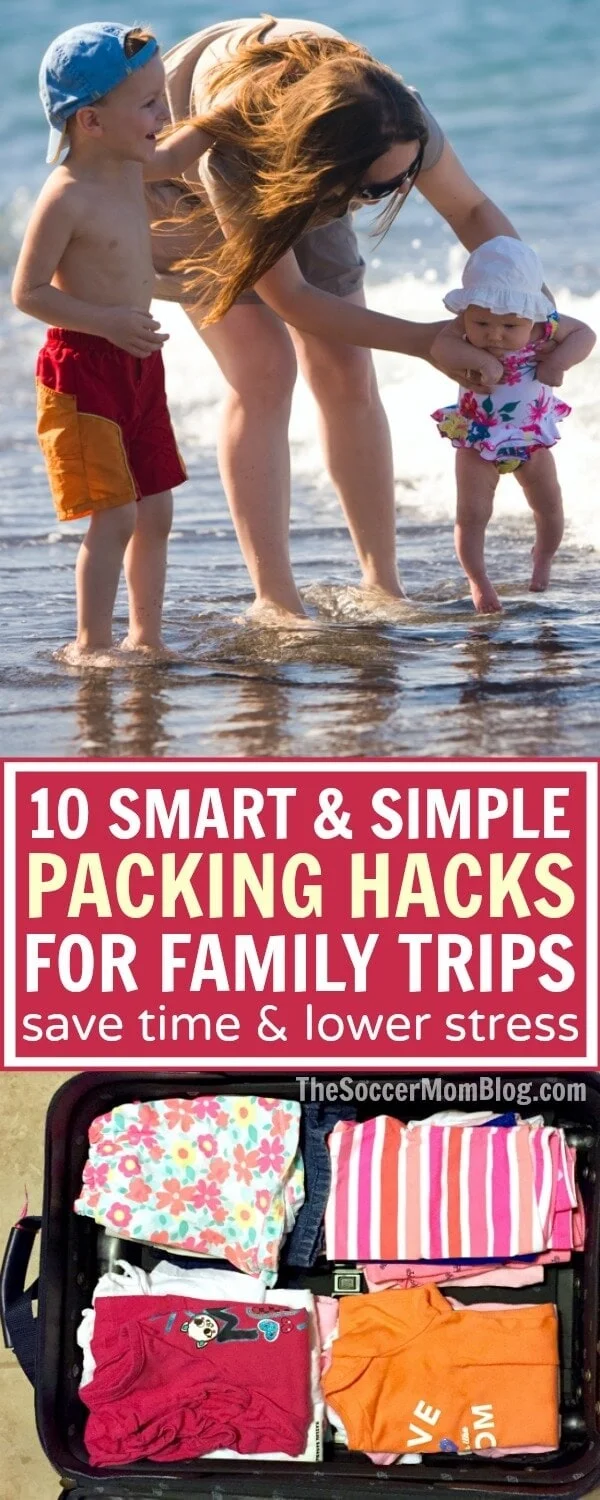
Selecting luggage that optimizes space without adding bulk is essential for family beach vacations. Durable suitcases with expandable compartments provide flexibility for additional items acquired during the trip. Lightweight, waterproof, and easy-to-clean materials are best, especially for beach environments. Consider luggage with multiple compartments or built-in organizers to separate clothing, toiletries, and beach gear. Additionally, using separate bags for beach essentials allows rapid access upon arrival, keeping general luggage organized and compact.
Smart Clothing Packing Techniques
Rolling vs. Folding: Pros and Cons
Choosing between rolling and folding clothes has a significant impact on space and garment condition. Rolling clothes tightly can save space and reduce wrinkles, making it ideal for casual beachwear. Folding, while more traditional, can help keep delicate items like dresses and shirts in better shape but often uses more room. A hybrid approach works well: roll casual wear and fold formal or delicate pieces. Consistency in the chosen method per clothing type enhances organization, especially when using packing cubes or compression bags.
Layering Clothes to Save Space
Layering clothing strategically allows packing fewer items without sacrificing wardrobe variety. Select lightweight fabrics that can be combined for warmth or sun protection. Planning outfits around a color scheme simplifies mixing and matching, reducing the need to pack separate pieces for every occasion. Multi-use items such as scarves or hats serve both functional and fashion purposes, minimizing bulk. Using layers also prepares the family for changing weather conditions common in beach locations.
Utilizing Packing Accessories
Compression Bags and Cubes: Benefits and Usage Tips
Packing cubes and compression bags are invaluable tools for maximizing space and keeping luggage organized. Cubes help categorize clothes by person or type, making it easy to find items without unpacking entire bags. Compression bags reduce the volume of bulky items such as towels or sweaters by expelling excess air. To avoid overpacking, select cube sizes thoughtfully and refrain from overfilling; a cube difficult to zip is a sign to trim your packing list. Combining both accessories ensures optimal use of limited luggage space.
Multi-purpose Items to Reduce Bulk
Packing items that serve more than one function can significantly reduce the overall load. Versatile garments like sarongs can act as wraps, towels, or even picnic blankets. Hats protect against sun exposure but can double as water-soaked cooling aids. Selecting toiletries with multiple uses, such as a moisturizer with SPF, cuts down on the number of bottles needed. These choices save space and lighten the luggage, making travel easier for the whole family.
Organizing Beach Gear Efficiently
Compact Beach Towels and Blankets
Choosing compact, sand-repellent beach towels and blankets helps maintain order and saves space. Look for towels that dry quickly and pack down small, or opt for beach blankets with corner pockets for securing them to the sand. These features prevent belongings from blowing away and reduce the need to carry extra weight like stakes or weights. A well-designed beach blanket can also double as a play area for kids, minimizing additional gear.
Storage Solutions for Toys and Accessories
Keeping beach toys and accessories organized prevents loss and clutter. Use waterproof, washable bags or containers with dividers to separate smaller items like sunscreen, sunglasses, and toys. Designated bags for each child’s possessions reduce disputes and confusion during the day. Consider bags with easy-to-clean interiors as sand and water exposure are inevitable. Efficient storage means less time searching and more time enjoying the beach.
Maximizing Space in Carry-Ons and Personal Bags
What to Pack in Personal Bags for Easy Access
Personal bags should prioritize essentials needed during travel and immediate arrival. Include snacks, entertainment such as tablets preloaded with movies or games, a small toiletry kit, and a change of clothes for kids. Keeping sunscreen and hats handy in these bags ensures protection from the sun as soon as you reach the beach. Organize chargers and power banks to avoid scrambling for electronics, and keep any necessary medications within reach. Compact, well-planned carry-ons reduce stress during transit.
Using Outer Pockets and Hidden Compartments
Outer pockets and hidden compartments are great for separating frequently used items. Use these spaces for quick-access objects like sunglasses, lip balm, keys, or wallets. This keeps the main compartment less cluttered and minimizes the need to fully unpack the bag to retrieve something. Designs with secure closures prevent items from falling out. Utilizing every available compartment smartly improves overall packing efficiency and accessibility.
Last-Minute Tips to Avoid Overpacking
Critical Items vs. Nice-to-Have
Before finalizing packing, distinguish between critical essentials and items that are nice to have but not necessary. Focus on items that protect health, comfort, and safety, such as sunscreen, hats, medications, and sufficient clothing. Extra gadgets, excessive footwear, or multiple toys should be reconsidered to avoid weighing down luggage. This mindfulness helps reduce overpacking and ensures only useful items are brought along, streamlining both travel and unpacking.
How to Handle Souvenirs and Extra Items on Return Trip
Preparing for souvenirs and additional items collected during the trip prevents luggage from becoming overloaded on the return journey. Leave some space or pack a collapsible bag inside the suitcase for extra belongings. This approach avoids struggling with weight limits or purchasing bulky bags at the last minute. Organizing items during the trip and regularly consolidating souvenirs into fewer containers also minimizes clutter and keeps the family’s bags manageable.