Why Proper Labeling and Categorizing of Spices Matters
Understanding the Benefits for Time Management
Imagine standing in the middle of meal prep, a crisp recipe in hand but losing precious minutes rummaging through a chaotic spice drawer. Proper labeling and categorizing of spices can be a game-changer, especially during the rush of cooking. Clear labels help you locate what you need instantly, eliminating the hesitation that often leads to adding the wrong spice or wasting valuable time guessing. For home cooks and professionals alike, an organized spice collection streamlines the process, making cooking more enjoyable and efficient. This is especially useful when juggling multiple ingredients or following complex recipes, where quick access can be the difference between a perfectly seasoned dish and an underwhelming one.
Common Issues with Unorganized Spices
Many cooks face the frustration of spices stored in indistinguishable bottles, sometimes unlabeled or mislabeled, causing confusion mid-preparation. Others find their spices stale because they didn’t track when the bottles were opened or bought. Additionally, storing spices near heat sources or in direct sunlight leads to reduced flavor potency over time. This often results in repeatedly buying new spices or using expired ones, which dulls the taste of dishes. For instance, one home chef shared how she frequently bought new jars of cinnamon simply because she couldn’t tell if her old supply was still fresh, hidden behind mismatched containers and faded labels. These everyday issues not only waste money but also slow down cooking and affect meal quality.
Step-by-Step Guide to Labeling Spices Effectively
Choosing the Right Labels and Materials
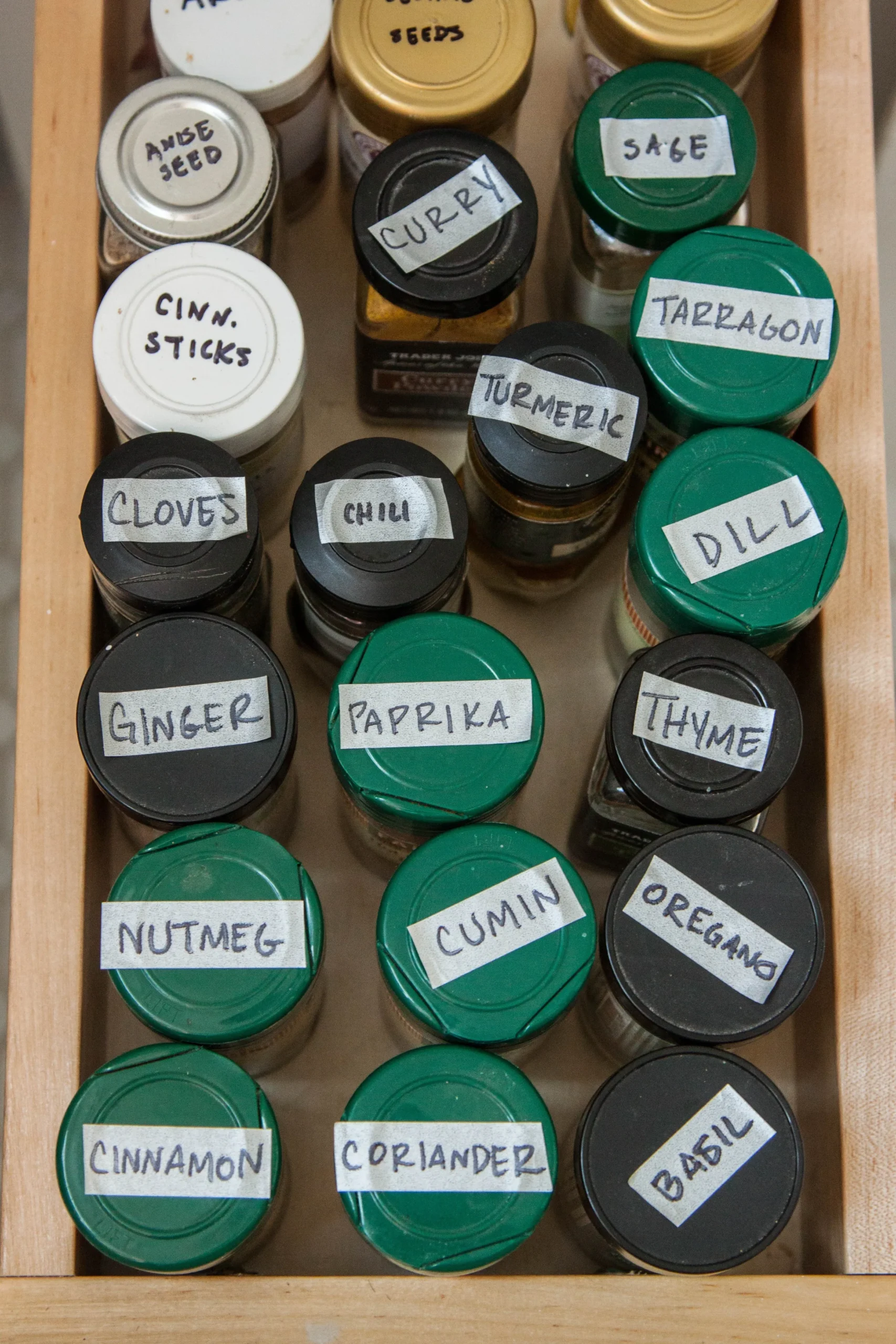
Start by selecting labels that are durable and easy to read. Many cooks recommend using waterproof chalkboard stickers or vinyl labels that can be wiped clean and rewritten. For instance, chalkboard-top mason jars allow the label to be updated easily when spices are replenished. Markers designed for glass or plastic work well and reduce the risk of smudging. It’s also important to consider where your spices will be stored—labels on the jar’s top are perfect for drawer storage, while side labels work better for cabinet shelves where jars are stacked.
Best Practices for Clear and Durable Labels
When applying labels, ensure the surface of the jar is clean and dry to help them stick properly. Write the spice name clearly, and to enhance effectiveness, add the date when the jar was opened or purchased. This small step can save confusion on freshness. Over time, the aroma of spices fades, so knowing when you opened a jar helps avoid using stale ingredients. A home cook’s tip: using different colored chalkboard markers can help quickly distinguish whole spices from ground versions. And if you use spray sealants that are safe for food containers, they can make your handwritten labels last longer under frequent handling in a busy kitchen.
Creative and Functional Ways to Categorize Your Spice Collection
Grouping by Cuisine or Flavor Profile
Instead of a random assortment, grouping spices by cuisine such as Italian, Indian, or Mexican can make meal prep more intuitive. For example, placing oregano, basil, and thyme together facilitates quick access when whipping up a pasta sauce. Alternatively, organizing by flavor profile—like sweet spices, hot peppers, or earthy dried herbs—can help you experiment and balance your recipes better. One professional chef shared that categorizing spices this way sparked new creativity in her dishes because she could visually and quickly navigate the flavor spectrum on her rack.
Using Alphabetical or Color-Coded Systems
Some cooks prefer a straightforward alphabetical system, which is excellent for those with extensive spice collections. It minimizes the search time for specific spices without needing to memorize categories. Another practical method involves color-coding spice jar tops with stickers that represent groups such as green for herbs, red for hot spices, and yellow for warm spices like cinnamon and nutmeg. This visual cue speeds up identification, especially when you’re multitasking. For instance, a family who adopted this system shared that even their children could help with cooking because the color codes were easy to understand and follow.
Tools and Storage Solutions to Complement Your Labeling
Containers That Enhance Organization
Beyond labels, the choice of containers significantly affects storage efficiency. Mason jars with airtight seals preserve freshness and pair well with many labeling options. Short glass jars fit nicely into kitchen drawers, allowing spices to be stored horizontally with their labeled tops facing up. For those with limited cabinet space, opaque metal tins protect spices from light and maintain flavor longer if jars must stay on countertops. Choosing uniform or similar-sized containers also prevents a cluttered look and makes stacking or lining up jars simpler.
Using Racks, Drawers, and Magnetic Holders
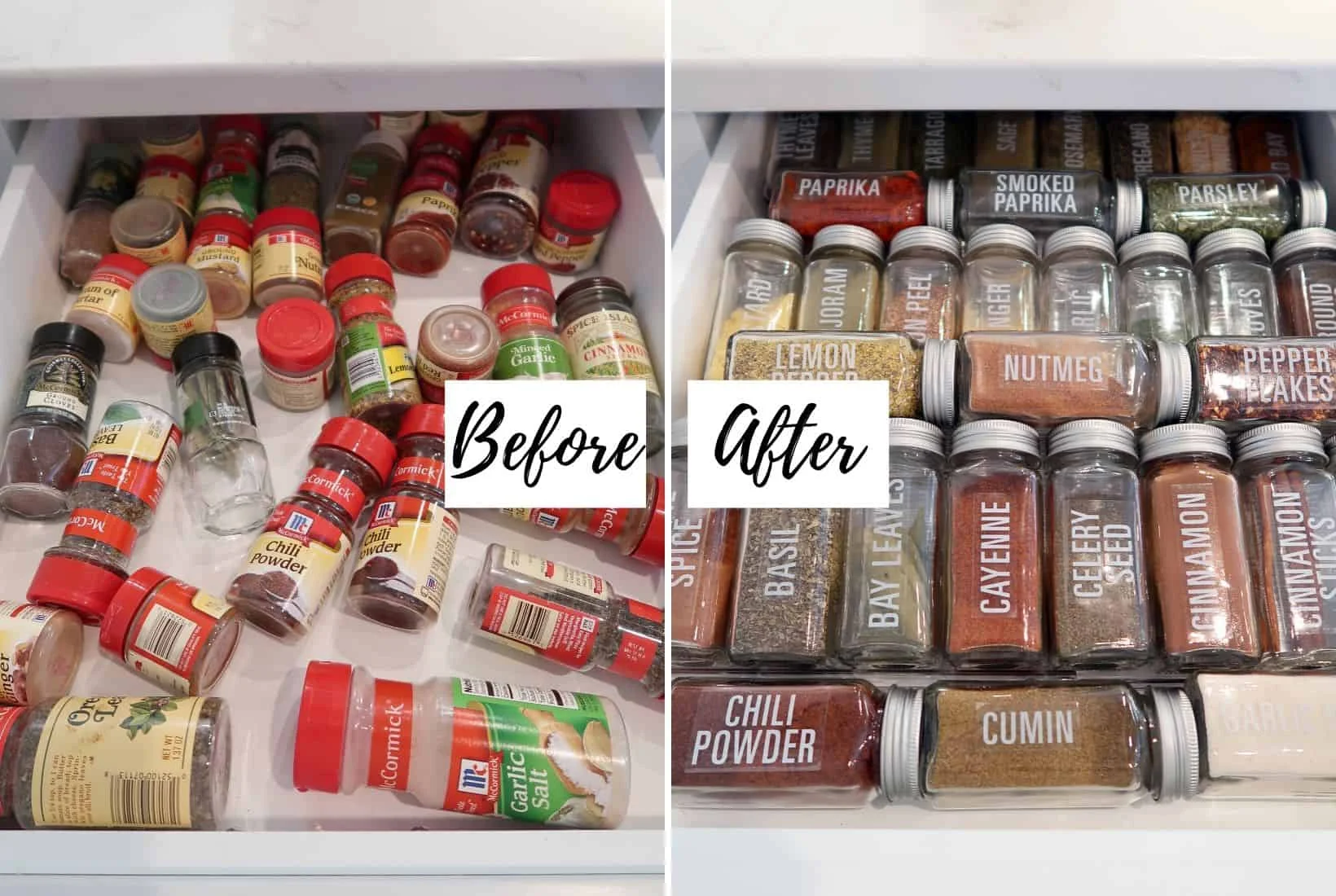
Storage accessories can transform spice organization. Pull-out spice drawers with angled slots give easy visibility of labels without moving containers. Wall-mounted racks or magnetic holders placed near cooking zones offer quick reach, saving precious time. One home cook transformed a cluttered spice cabinet by installing a magnetic strip on the inside of a pantry door for small metal tins, freeing up shelf space and speeding up cooking preparation. Tailoring your storage to the kitchen layout and personal cooking habits maximizes efficiency.
Maintaining Your Spice Organization Over Time
Regular Audits and Label Updates
Maintaining an organized spice collection requires periodic checks. Time well spent, these audits involve smelling and inspecting spices for color and aroma, discarding dried herbs like basil and parsley after a year, and testing ground spices for potency. Updating labels with new purchase or opening dates during these checks keeps your system accurate. A seasoned cook shared her routine: every six months, she reviews and refreshes labels and tosses anything past its prime. This habit prevents the build-up of stale spices and keeps the kitchen feeling orderly.
Tips for Quickly Adding New Spices
When purchasing new spices, immediately transfer them to your standard containers and label appropriately before storing. Keeping a small labeling kit, including chalkboard markers and colored stickers, handy in the spice cabinet speeds up this process. One busy chef recommends dedicating a spot for new arrivals until they’re sorted, avoiding the common pitfall of “orphan” spice bags cluttering countertops. Keeping spices in airtight containers from the start preserves freshness, and noting purchase dates ensures you know when to replace them. These small steps keep the system functional and save you from last-minute frustration during cooking.