Understanding the Relationship Between Sleep and Muscle Recovery
The Science Behind Sleep and Muscle Growth
Sleep is far from just a period of rest; it’s a fundamental phase where muscle growth and repair take place. When you don’t get enough sleep, your body enters a catabolic state, meaning it starts breaking down muscle mass instead of building it up. This happens because protein synthesis—the process where your muscles repair and grow—is reduced during sleep deprivation, while protein degradation increases.
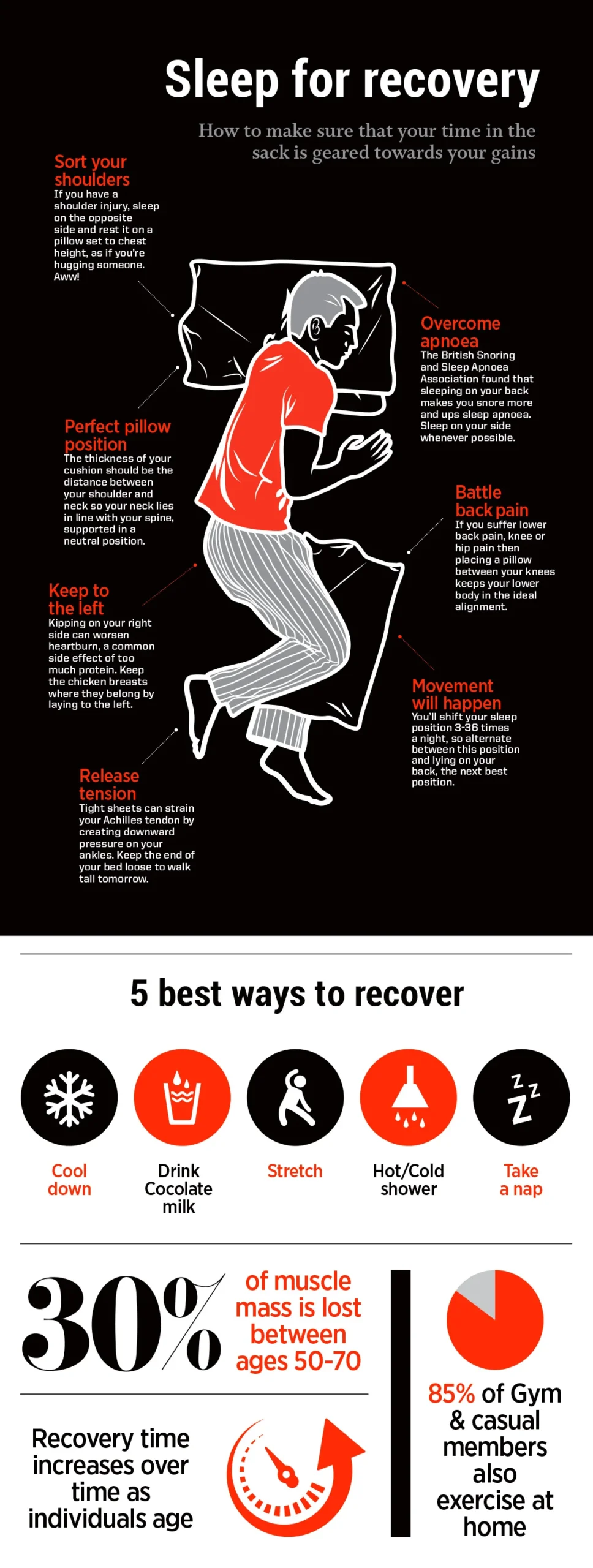
Another important factor is the release of growth hormone, which predominantly occurs during deep sleep. This hormone is critical for muscle repair and overall recovery. Without adequate sleep, the natural cycle of these hormones and processes is disrupted, making it more difficult for your body to recover from intense workouts.
Stages of Sleep Critical for Recovery
Not all sleep is created equal when it comes to muscle recovery. REM sleep and deep slow-wave sleep play especially vital roles. During these stages, the body releases healing substances and growth hormones that help muscles repair tiny tears caused during exercise. Additionally, sleep facilitates the release of amino acids into the bloodstream, which are the building blocks muscles need to grow. This is why achieving quality sleep, not just quantity, is essential for optimal recovery.
Pre-Sleep Habits to Enhance Muscle Repair
Nutrition and Hydration Strategies
What you consume before bed can influence how well your muscles recover overnight. Staying hydrated is important, but be mindful not to drink too much right before sleep to avoid interruptions. Some herbal teas, like chamomile or green tea, can promote relaxation without stimulating the nervous system. These natural beverages can gently prepare your body for restful sleep.
It’s also wise to avoid caffeine after lunch since caffeine acts as a stimulant that can interfere with your ability to fall asleep. Keeping your nutrition balanced throughout the day supports your muscles and sets the stage for effective repair during the night.
Effective Relaxation Techniques
How you wind down before bedtime significantly impacts your sleep quality. Turning off phones and other electronics at least 30 minutes before going to bed helps reduce exposure to blue light, which can disrupt your body’s natural sleep rhythms. Simple relaxation activities like gentle stretching, deep breathing, or mindfulness meditation can ease tension and prepare your mind and body for sleep.
Regular physical activity also plays a role here; it helps your body transition into sleep mode more effectively. However, timing matters—intense workouts right before bed might keep you too energized to fall asleep easily.
Environmental Factors Affecting Sleep Quality
Optimizing Bedroom Setup for Restful Sleep
Your bedroom environment is a key player in how well you recover overnight. Creating a space that is dark, quiet, and cool can significantly improve your ability to fall asleep and stay asleep. Removing electronics from the bedroom helps minimize distractions and reduces exposure to light, both of which contribute to better sleep quality.
Investing in comfortable bedding and ensuring good ventilation are practical steps that promote a soothing atmosphere. These small adjustments can make your bedroom a sanctuary for rest and muscle restoration.
Controlling Ambient Noise and Light
Even low levels of noise can disrupt your sleep cycles without you realizing it. Using earplugs or white noise machines can help mask background sounds that might otherwise interfere with your rest. Light, especially artificial sources, can delay the release of melatonin, the hormone responsible for signaling your body to prepare for sleep.

Using blackout curtains or eye masks is an effective way to block out unwanted light. By controlling both noise and light, you help maintain the natural conditions your body needs to repair muscles and recharge for the next day.
Tech and Tools to Monitor and Improve Sleep
Wearables and Sleep Trackers Overview
Technology has made it possible to gain insights into your sleep patterns like never before. Wearable devices such as fitness bands and smartwatches can track your sleep duration, movement, and even heart rate variability. This data can help you understand how well you’re sleeping and identify possible disruptions.
Knowing when you’re in light, deep, or REM sleep stages enables you to make adjustments in your habits or environment to enhance muscle recovery during the most critical phases of rest.
Apps and Devices for Sleep Optimization
Many apps complement wearable devices by providing detailed analysis and customized recommendations for improving sleep quality. Some use gentle sounds or guided meditation to help you fall asleep faster, while others monitor bedroom conditions like temperature and noise levels. Smart home devices that adjust lighting or temperature automatically can further optimize your sleeping environment without extra effort.
While these tools are useful for tracking and encouraging better sleep hygiene, it’s essential to listen to your body and combine technology with healthy lifestyle choices for the best results in muscle recovery.
Common Sleep Disruptors and How to Avoid Them
Caffeine, Alcohol, and Their Effects
Caffeine, when consumed late in the day, acts as a powerful stimulant that can keep you awake well past your intended bedtime. It’s best to avoid caffeine-containing drinks after lunch to prevent interference with falling asleep. Alcohol, although it may initially make you drowsy, can disrupt sleep patterns later in the night, reducing the overall quality of your rest.
The combined effect of stimulants and sleep disruptions hampers your body’s ability to repair muscle tissue efficiently. Being mindful of these substances helps maintain the natural rhythm necessary for recovery.
Handling Stress and Anxiety Before Bedtime
Stress and anxiety are common barriers to a good night’s sleep. When your mind is racing, it’s challenging to reach deep sleep stages essential for muscle repair. Developing a calming bedtime routine that includes activities like journaling, gentle yoga, or listening to soothing music can ease mental tension.
It’s also helpful to set boundaries around work or stressful conversations before bed, allowing your nervous system the chance to relax. Over time, managing stress improves not only your sleep quality but also your overall recovery and physical performance.
Long-Term Strategies to Maintain High-Quality Sleep
Consistency in Sleep Schedules
One of the most effective ways to improve sleep quality over the long term is to stick to a consistent sleep schedule. Going to bed and waking up at the same time every day, including weekends, helps regulate your internal clock. This regularity aids in achieving 7 to 9 hours of restful sleep nightly, adjusted to your individual lifestyle and workout intensity.
Consistency reinforces the natural patterns where growth hormone is released and muscles receive the nutrients they need to recover, creating an optimal environment for muscle growth and repair.
Integrating Physical Activity Wisely
Regular exercise supports better sleep by helping your body tire in a healthy way. When physical activity is balanced with rest, your muscles benefit from both the stimulus to grow and the recovery time they need. However, timing is crucial; exercising too close to bedtime may keep you alert and interfere with your ability to fall asleep.
Finding the right balance between training and sleep allows your body to maximize recovery processes, resulting in improved muscle strength and endurance over time.