Understanding Anti-Aging Skincare
What Causes Skin Aging?
Skin aging results from a combination of natural processes and external factors. As we grow older, the skin’s ability to regenerate slows down, leading to visible changes such as fine lines, wrinkles, thinning skin, uneven tone, and hyperpigmentation. Environmental influences like sun damage are the biggest culprits behind premature aging, accelerating collagen breakdown and moisture loss. Hormonal changes, especially during menopause, can also contribute to skin issues like acne and diminished elasticity.
The Role of Skincare Products in Anti-Aging
Anti-aging skincare products are designed to address these changes by supporting skin’s natural functions. They can help replenish lost moisture, protect against environmental damage, stimulate collagen production, and even out pigmentation. However, their effectiveness largely depends on how well they are formulated and applied. Proper layering of these products ensures that the active ingredients penetrate deeply without interference, maximizing their benefits.
Essential Anti-Aging Ingredients to Know
Retinoids and Their Benefits
Retinoids, derivatives of vitamin A, are a cornerstone of anti-aging skincare. They accelerate cell turnover, which helps reduce fine lines and wrinkles and promotes smoother, more even-toned skin. Retinoids also stimulate collagen synthesis, improving skin firmness. Because they can cause irritation if layered improperly, understanding their placement in your routine—typically at night—is crucial for achieving results without discomfort.
Antioxidants: Vitamin C, E, and More
Antioxidants such as vitamin C and E play a vital role in protecting the skin from environmental stressors like UV rays and pollution. These ingredients neutralize free radicals, which cause oxidative damage leading to premature aging. Using antioxidant serums in the morning shields skin throughout the day, boosting skin brightness and preventing the formation of new wrinkles.
Hydrators: Hyaluronic Acid and Peptides
Hydrating agents like hyaluronic acid attract and retain moisture, keeping the skin plump and supple. Peptides serve as building blocks for collagen and elastin, essential proteins that maintain skin’s structure and elasticity. Incorporating these ingredients supports the repair process and helps maintain a youthful complexion by addressing moisture loss and skin resilience.
Preparing Your Skin Before Layering
How to Properly Cleanse
Effective cleansing is the first step to prepare skin for anti-aging treatments. Choose a cleanser that removes excess oil and impurities without stripping moisture, as over-drying can damage the skin barrier. Clean skin allows subsequent products to absorb better, optimizing their efficacy. Gentle massage in circular motions and rinse thoroughly to create a clean canvas.
Importance of Toning and Exfoliation
Toning helps balance the skin’s pH and can further remove leftover impurities after cleansing, enhancing product absorption. Exfoliation, when done 2-3 times per week, removes dead skin cells that block ingredient penetration. Using chemical exfoliants or gentle physical scrubs promotes cell turnover and refreshes the skin’s surface. Be cautious to adjust exfoliation frequency based on your skin’s tolerance to avoid irritation.
Step-by-Step Product Layering Routine
Morning Routine: Light and Protective Layers
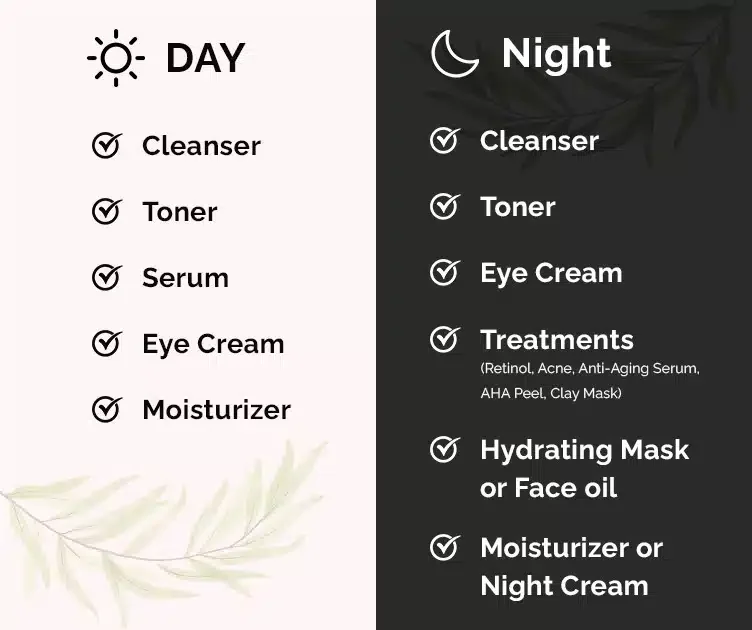
Begin your morning routine with a gentle cleanser, followed by a hydrating toner if desired. Next, apply an antioxidant serum rich in vitamin C to protect against daily environmental aggressors. Seal this in with a moisturizer that maintains hydration and supports elasticity. The final and most critical step is applying a broad-spectrum sunscreen, which prevents sun damage—the leading cause of premature aging.
Night Routine: Repair and Renewal Focus
At night, cleansing is equally important to remove makeup and pollutants accumulated during the day. After cleansing, use a toner and then apply a retinol treatment to encourage skin renewal and collagen production. If you use treatments for hyperpigmentation, apply them before retinol or alternate them on different nights to reduce irritation. Finish with a nourishing moisturizer to lock in hydration and support overnight repair mechanisms. Additional spot treatments may be applied as needed for issues like hormonal acne.
Order of Application: From Thinnest to Thickest
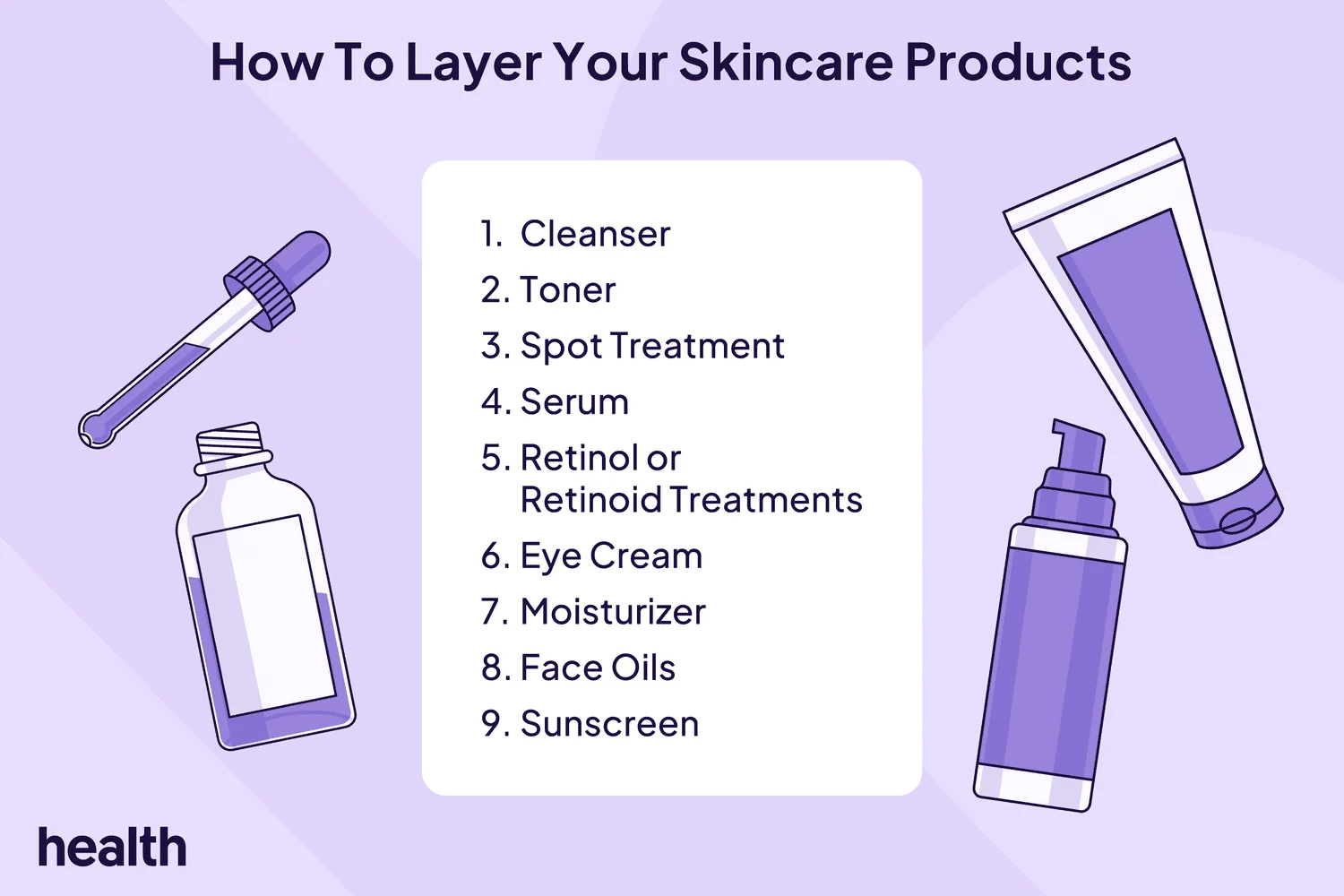
When layering products, it’s essential to apply from the thinnest to the thickest consistency. Start with serums and treatments containing active ingredients, then move to heavier creams and oils. This sequence helps ensure each product penetrates effectively without being blocked by heavier layers. Waiting a minute or two between steps can improve absorption, especially when applying potent actives like retinoids.
Common Mistakes in Layering Anti-Aging Products
Overloading the Skin
One common error is applying too many products at once, which can overwhelm the skin and lead to clogged pores or irritation. Overloading may also reduce product absorption, diminishing their effectiveness. It’s better to focus on a few targeted treatments and maintain consistency rather than layering an excessive number of products.
Mixing Incompatible Ingredients
Not all active ingredients work well together. For example, layering retinol and aggressive hyperpigmentation treatments simultaneously can cause redness and sensitivity. Alternating these on different nights or applying them at different times prevents irritation while still delivering benefits. Understanding ingredient interactions and how your skin reacts is key to avoiding adverse effects.
Tips for Enhancing Effectiveness
Timing Between Product Applications
Allowing time between applying products can help each ingredient absorb fully. Patience during your routine—waiting a minute or two before the next step—can improve penetration and reduce the chance of pilling or irritation. This is particularly important when using potent serums and treatments back-to-back.
Adjusting Routine Based on Skin Type
Tailor your layering method to your skin’s needs. For example, oily skin may benefit from lighter moisturizers and less frequent exfoliation, while dry skin requires richer hydration and more gentle treatment application. Pay attention to how your skin responds and adjust your routine accordingly to maintain balance and achieve optimal anti-aging results.
When to Seek Professional Advice
Consulting a Dermatologist for Customized Routines
While many anti-aging products are available over-the-counter, complex skin concerns or sensitivities may require professional guidance. A dermatologist can recommend tailored routines and treatments that suit your skin type and condition, ensuring you avoid potential irritation and get the most out of your skincare investments.
Recognizing Signs of Product Irritation
Be vigilant for signs like persistent redness, itching, excessive dryness, or breakouts, which may indicate that your product layering needs adjustment. If these symptoms appear consistently, it’s wise to pause treatments and consult a skincare professional. Fine-tuning your routine under expert supervision helps maintain skin health and enhances long-term anti-aging success.