Introduction to Cultural Immersion through Language
Why Basic Phrases Matter in Latin America
Diving into the vibrant cultures of Latin America is an incredible experience, and language plays a pivotal role in truly connecting with locals. Knowing just a handful of basic Spanish or Portuguese phrases can open doors to friendly exchanges and help avoid common travel pitfalls. When you speak even a little of the local tongue, it shows respect and willingness to engage, which often leads to warmer interactions and deeper cultural understanding.
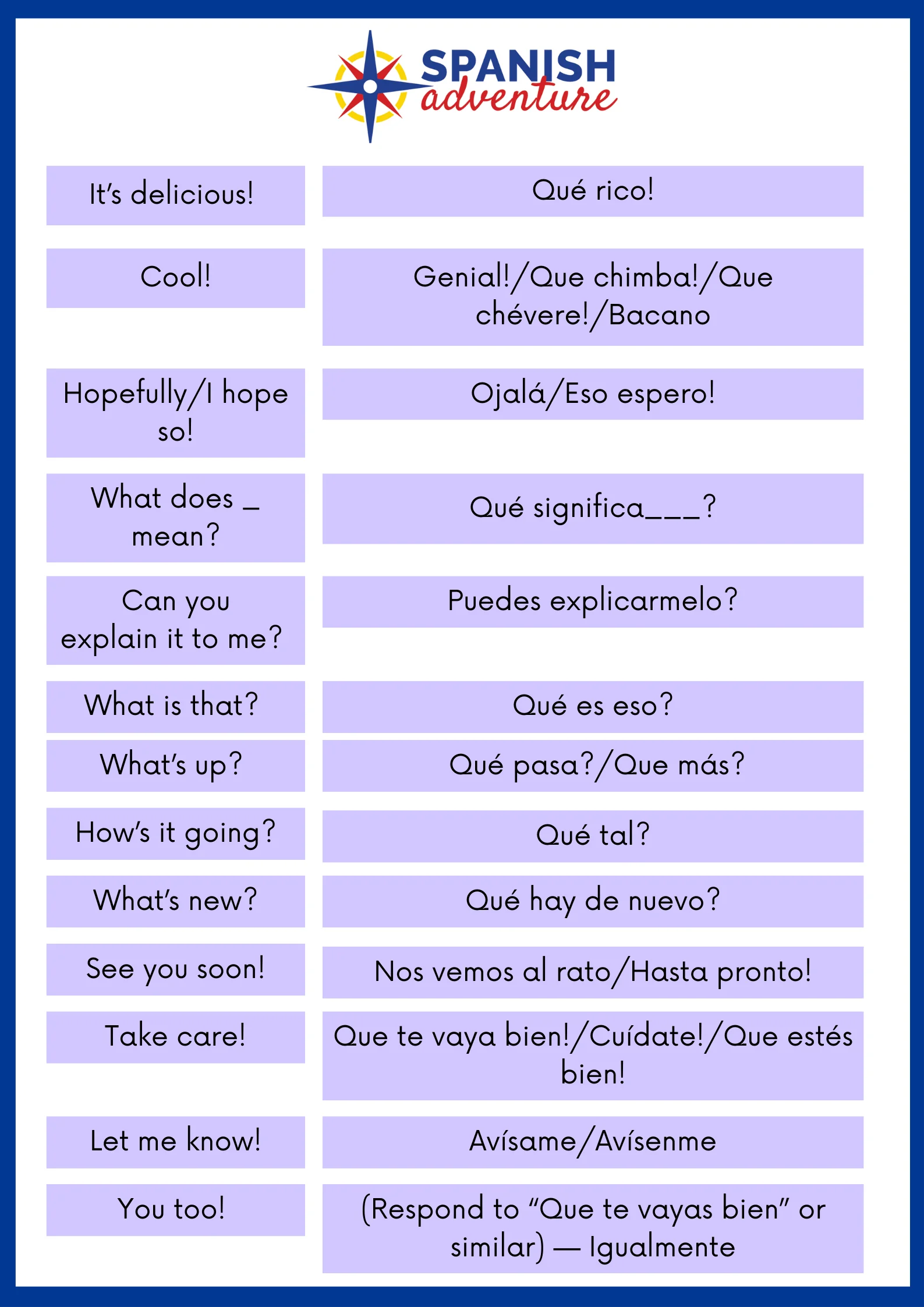
Many travelers underestimate the importance of learning essential phrases before arriving and find themselves struggling to communicate at markets, restaurants, or when asking for directions. This can cause confusion and sometimes frustration, especially since Latin American Spanish has regional variations and colloquialisms that differ from the European Spanish you might be familiar with. Preparing with essential expressions helps bridge these gaps and enriches your travel experience.
Setting Realistic Language Learning Goals
Before you jump into language learning, it helps to set clear, achievable goals. Don’t expect to become fluent overnight; instead, aim to master everyday phrases that will help you navigate common situations. Focus on greetings, polite expressions, and requests related to transportation, dining, and accommodation.
Setting realistic milestones—like holding a short conversation, ordering a meal, or asking for directions—keeps your learning focused and rewarding. It’s also important to accept that mistakes are part of the journey and an opportunity to learn. The goal is cultural immersion, not perfection. With patience and practice, basic phrases will soon become second nature and enhance your interaction with locals considerably.
Essential Preparations Before You Start
Choosing the Right Resources
When preparing to learn phrases for your trip, the first step is finding the right learning tools that suit your style and travel plans. There are countless apps, online courses, phrasebooks, and podcasts designed specifically for travelers. These resources often focus on practical vocabulary that’s immediately useful, helping you build confidence quickly.
Consider resources that emphasize South American Spanish or Brazilian Portuguese if those are your destinations, since some common expressions and slang vary widely from Spain’s version of the language. Complement digital tools with physical phrasebooks or pocket-sized notebooks to jot down new words and phrases you encounter along the way—this helps reinforce memory and provides a handy reference.
Understanding Regional Language Variations
Latin America is linguistically diverse. Even within Spanish-speaking countries, words and expressions can change from one region to another. For example, while “torta” might mean “cake” in one place, it could mean “sandwich” in another. Similarly, Brazilian Portuguese has its own unique sounds and vocabulary.
Before you go, spend some time learning about regional slang and cultural customs related to language. This helps prevent misunderstandings and shows locals that you’ve made an effort to respect their specific culture. Many locals appreciate when travelers take note of their particular way of speaking, and this can open doors to more genuine conversations and cultural exchanges.
Step 1: Learning Greetings and Courtesies
Common Greetings in Spanish and Portuguese
Starting any conversation with a friendly greeting is the easiest way to make a good impression. In Spanish, simple words like “Hola,” “Buenos días,” and “¿Cómo está?” go a long way. Portuguese speakers often use “Olá,” “Bom dia,” or “Como vai?” These greetings show respect and open the door for further interaction.
It’s also useful to know how to politely gain someone’s attention—phrases like “Con permiso” or “Perdón” help you navigate crowded markets or busy streets without seeming rude. Learning these simple greetings and courtesies is the foundation for building positive connections everywhere you go.
Polite Expressions to Build Rapport
Politeness matters more than many travelers realize. Instead of using blunt verbs like “Quiero” (I want), switching to “Me gustaría” or “Quisiera” sounds much more courteous and is appreciated by locals. Adding “por favor” (please) and always saying “gracias” (thank you) creates a warmer atmosphere and encourages friendly responses.
Using these polite forms not only smooths daily exchanges but also reflects your respect for local culture. Politeness can be your best tool to overcome language barriers and foster goodwill during your travels.
Step 2: Mastering Everyday Conversations
Introducing Yourself and Asking Questions
Being able to introduce yourself and pose simple questions is key to feeling confident in social situations. Practice how to say your name, where you’re from, and ask questions using words like “¿Quién?” (who), “¿Qué?” (what), “¿Dónde?” (where), and “¿Cómo?” (how). These basics give you the tools needed to start conversations and make new friends.
Also, learn phrases for asking for help or clarifying things politely, such as “¿Habla inglés?” when you’re unsure if someone speaks English. These small conversational skills reduce stress and create smoother interactions throughout your trip.
Ordering Food and Navigating Markets
Food is at the heart of cultural immersion, so mastering phrases for ordering at restaurants or buying fresh produce at markets is invaluable. Learn how to ask for “el menú del día” to get a traditional meal, and practice phrases like “¿Tiene una mesa para dos?” when booking seating.
Markets can be bustling and lively, so knowing how to ask prices with “¿Cuánto cuesta?” and pointing to items helps avoid confusion. Understanding food allergies or preferences through simple expressions also ensures you enjoy culinary experiences without mishaps. These practical phrases help you feel at ease in everyday environments.
Step 3: Engaging with Local Culture
Using Phrases for Social Events and Festivals
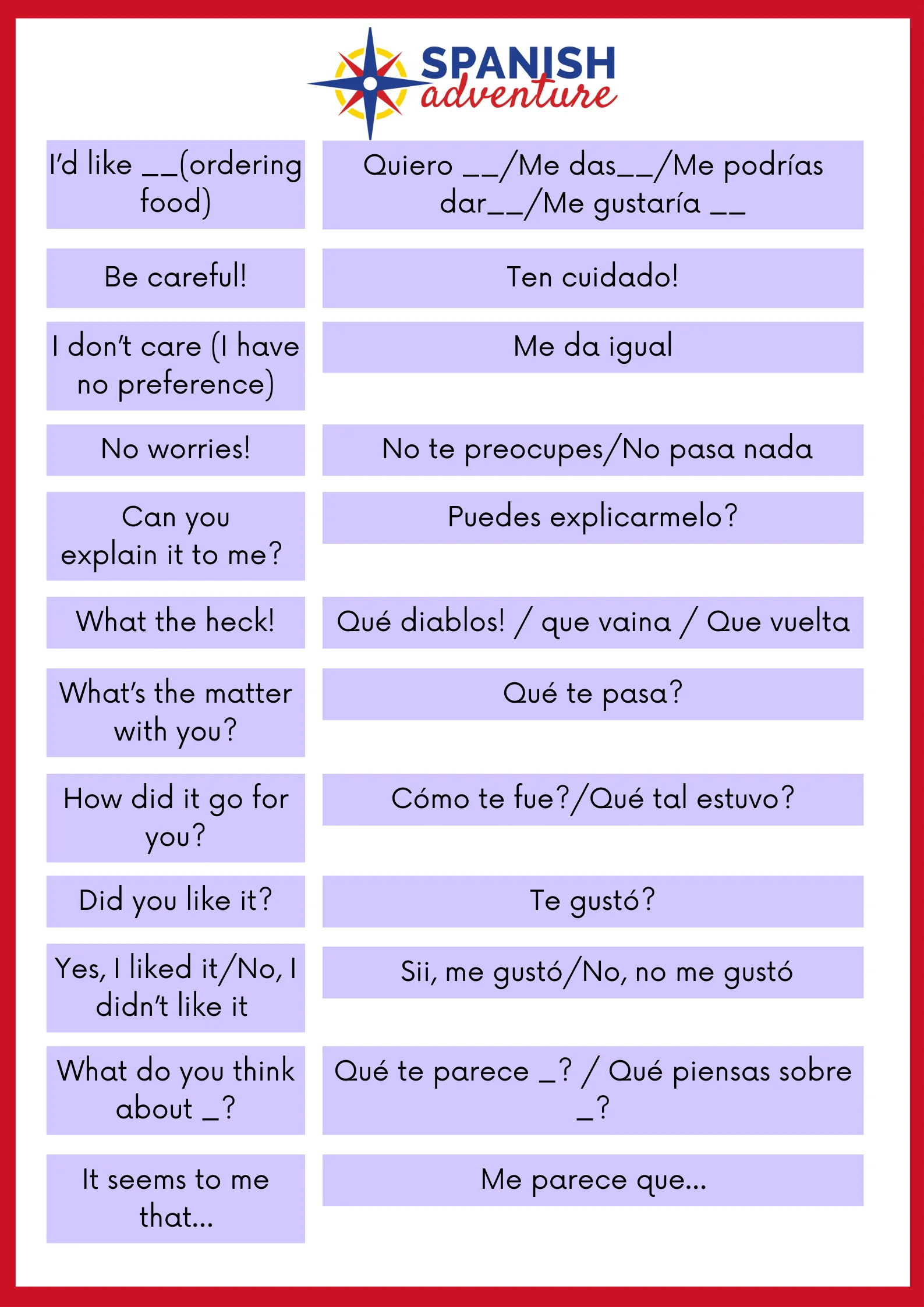
Latin America is rich with festivals and social gatherings. Engaging with locals during these events deepens cultural immersion. Learn phrases related to celebrations, such as greetings specific to festivals, or phrases to ask about local customs and activities.
Express curiosity with polite questions and show enthusiasm in the local language. Participating through language, even at a basic level, helps you connect emotionally to the culture and leaves lasting memories.
Expressing Appreciation and Respect
Simple expressions of thanks and respect go a long way in any culture. Saying “Gracias por su hospitalidad” (Thank you for your hospitality) or complimenting local food or customs in Spanish or Portuguese signals genuine appreciation. This can lead to invitations and shared experiences that enrich your travels.
Respecting cultural norms in communication, like appropriate greetings or tone, helps avoid unintentional offenses and builds mutual respect between you and those you meet.
Tools and Techniques for Practice
Language Apps and Online Communities
Modern technology offers fantastic ways to practice your language skills. Apps dedicated to Spanish and Portuguese provide daily reminders, bite-sized lessons, and pronunciation guides. Online communities, such as language exchange platforms or travel forums, connect you with native speakers eager to help.
Integrating these tools into your routine allows you to review phrases during free moments—whether you’re waiting in line or enjoying a coffee—and keep your learning consistent and engaging.
Role-Playing and Immersive Experiences
Nothing beats real-world practice, so try role-playing common interactions ahead of time. Simulate ordering food, asking for directions, or making small talk with friends or fellow travelers. This reduces anxiety and helps conversations flow more naturally once you’re on the ground.
Seek immersive experiences, such as attending Latin American cultural events or practicing in authentic restaurants. Engaging directly with native speakers is one of the best ways to refine your skills and gain confidence quickly.
Overcoming Common Challenges
Dealing with Pronunciation Difficulties
Pronunciation can be tricky, especially with sounds unfamiliar to English speakers, like the Spanish rolled “r” or the nasal vowels in Portuguese. Don’t be discouraged—consistent practice and listening to native speakers are key. Use audio tools and apps that focus on pronunciation, and ask locals to help you perfect tricky words.
Remember, making an effort is often appreciated more than perfection. If you stumble, locals usually respond kindly when they see you’re trying, and gently correcting your pronunciation is often part of the learning experience.
Handling Cultural Nuances in Language Use
Language is tied closely to culture, so understanding context matters. For instance, regional slang can shift meanings dramatically, and some topics are sensitive depending on where you are. Being aware of local customs, avoiding sensitive subjects, and using polite forms correctly are all part of communicating effectively.
If you ever feel lost, don’t hesitate to ask locals for guidance or clarifications. Many enjoy helping visitors understand not just the language but the culture behind it.
Conclusion: Integrating Language Skills into Your Travel Experience
Maintaining and Growing Your Language Skills Post-Trip
Language learning doesn’t have to stop when your trip ends. Keeping a daily diary in Spanish or Portuguese, writing about your day, helps reinforce vocabulary and grammar. Varying tenses and asking native speakers for corrections refine your skills further.
Engage with media like podcasts, books, or shows related to Latin America to retain context and build comprehension. Joining local language groups or Meetup events lets you practice speaking regularly. By maintaining your skills, you’ll be ready for future cultural adventures, making each more immersive and rewarding than the last.