Understanding Sensitive Skin and Organic Skincare
What Makes Skin Sensitive?
Sensitive skin is often characterized by redness, irritation, dryness, and a tendency to react to various environmental and chemical triggers. This sensitivity can stem from a combination of factors including hormonal changes, diet, gut health, and aging. A compromised skin barrier makes the skin more prone to inflammation and irritation. Harsh ingredients, like sulfates, synthetic fragrances, and essential oils, can exacerbate sensitivity, as can excessive sun exposure and over-exfoliation.
The Benefits of Using Organic Ingredients
Organic ingredients, grown without harmful pesticides or chemicals, offer a gentle alternative to conventional skincare. They tend to contain fewer irritants and more natural antioxidants, vitamins, and minerals that nurture the skin. By avoiding synthetic fragrances and harsh preservatives, organic skincare supports the skin’s natural balance and helps maintain a healthy barrier. For sensitive skin, using organic products often reduces inflammation and minimizes adverse reactions, promoting a calmer, more resilient complexion.
Essential Components of a Morning Skincare Routine
Gentle Organic Cleansers for Sensitive Skin
A morning cleanse should refresh the skin without stripping natural oils. Organic cleansers with soothing botanicals like chamomile, calendula, or aloe vera are ideal. These ingredients cleanse impurities gently while calming redness and irritation. Products should be mild, preferably non-foaming, to avoid disrupting the skin’s pH balance. Using lukewarm water and gentle motions supports cleansing without aggravating sensitive skin.
Natural Toners to Balance and Soothe
Toners help restore the skin’s pH level after cleansing, regulate oil production, and provide a base for subsequent moisturizing. For sensitive skin, alcohol-free toners with hydrating botanicals such as rose water or witch hazel are beneficial. These natural toners soothe inflammation while adding a light layer of hydration, preventing dryness and irritation that might otherwise occur throughout the day.
Moisturizers Made from Organic Ingredients
Choosing the right moisturizer is crucial in a sensitive skin routine. Organic moisturizers enriched with shea butter, oat extract, or ceramides offer hydration and barrier support without clogging pores. Lightweight formulations are preferable in the morning to avoid heaviness and breakouts. A balanced oil-water mix provides sufficient moisture while keeping the skin breathable and calm.
Step-by-Step Guide: Crafting Your Routine
Preparation: Choosing the Right Products
Start by carefully selecting products with minimal ingredients free of sulfates, synthetic fragrances, and harsh actives. Opt for fragrance-free, calming formulas and look for certifications or transparency regarding organic content. Patch testing each product on a small skin area helps identify any potential irritants before full application.
Cleansing Techniques for Sensitive Skin
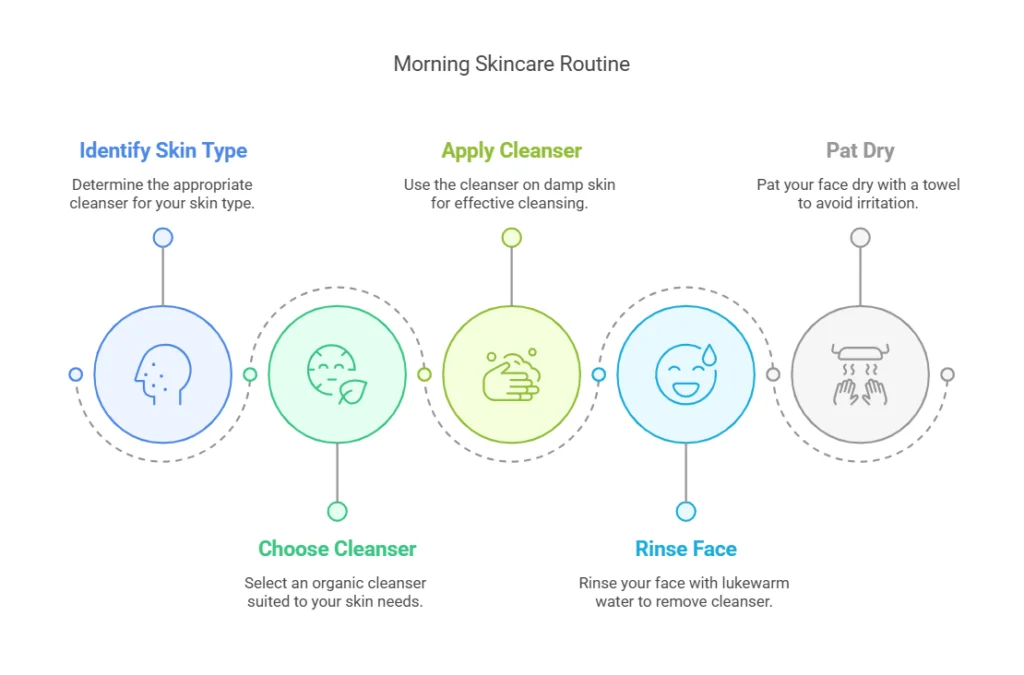
Apply cleanser using gentle circular motions on a damp face. Avoid vigorous rubbing and hot water, which can increase redness and dryness. Rinse with lukewarm water and consider using a soft, wet washcloth to aid thorough but gentle cleansing. This prevents buildup of dirt and excess oils while preserving the skin’s natural barrier.
Applying Toner and Moisturizer Properly

After cleansing, lightly spritz the toner onto the face or use a cotton pad to apply it with gentle pats. Allow it to absorb fully before adding moisturizer. Use a small amount of moisturizer, applying it evenly with upward strokes. This technique enhances absorption and supports skin elasticity without causing irritation or pore clogging.
DIY Organic Recipes for Skincare
Homemade Cleansing Oil with Natural Oils
A simple cleansing oil can be made by blending jojoba oil and sweet almond oil in equal parts. These oils are low on the comedogenic scale and help dissolve impurities without stripping moisture. Apply the oil to dry skin, massage gently, then remove with a warm, damp cloth. This method preserves the skin barrier while effectively cleansing.
Soothing Herbal Toner Mixes
Create a calming toner by steeping chamomile flowers or calendula petals in hot water, then cooling the infusion. Add a splash of rose water for extra hydration and natural fragrance. This toner helps reduce redness, balances pH, and refreshes the skin. Store in a clean spray bottle and use within a week for best results.
Organic Moisturizer Blends for Sensitive Skin
Combine shea butter with a small amount of jojoba oil and aloe vera gel to make a lightweight yet nourishing moisturizer. Melt the shea butter gently, mix thoroughly, and refrigerate for a smooth texture. This blend provides moisture, soothes irritation, and supports barrier repair without feeling heavy or greasy.
Additional Tips for Maintaining Healthy Sensitive Skin
How to Test Organic Products Safely
Always conduct a patch test by applying a small amount of product on the wrist or behind the ear. Wait 24 to 48 hours to check for reactions such as redness, itching, or swelling. Introducing only one new product at a time helps identify triggers and prevent compounding irritation.
Morning Habits That Support Skin Health
Beyond skincare products, lifestyle habits impact sensitive skin. Avoid direct sun exposure during peak hours and consistently use broad-spectrum mineral-based SPF to protect the skin. Maintain a balanced diet rich in anti-inflammatory and gut-friendly foods, stay hydrated, and use lukewarm water for washing. Keeping your routine simple and consistent promotes lasting skin health and resilience.