Understanding Progressive Cardio and Its Role in Weight Loss
What is Progressive Cardio?
Progressive cardio is a training approach where the intensity and duration of cardiovascular exercises increase gradually over time. Imagine Sarah, a busy mom who begins her fitness journey with brisk walking for 10 minutes daily. Over weeks, she slowly adds jogging intervals and eventually runs for 30 minutes. This gradual increase helps her body adapt without injury or burnout. The progressive element avoids shocking the system, reducing risks of muscle strain or shortness of breath, making it sustainable and effective.
How Progressive Cardio Aids Fat Burning
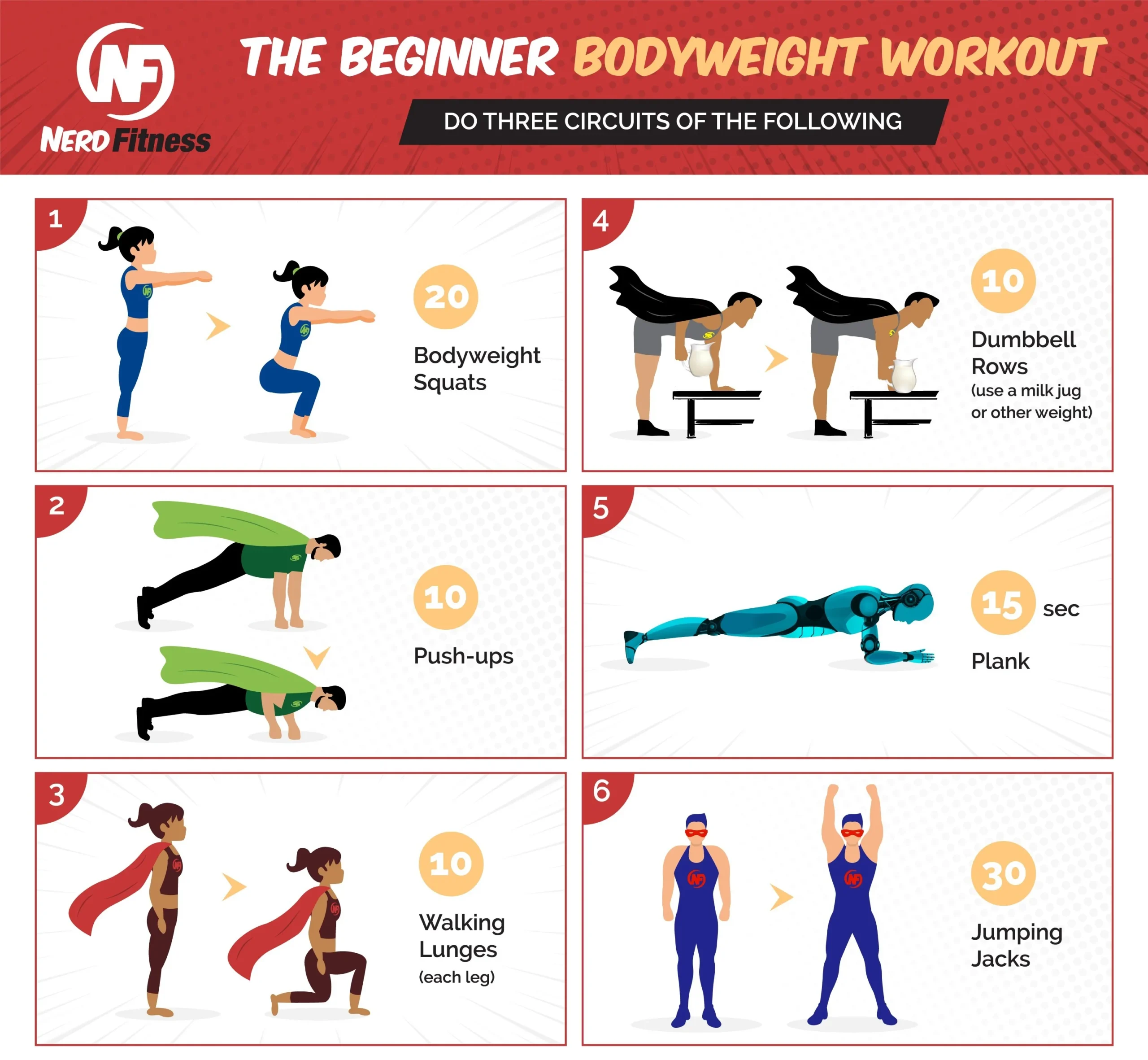
Cardio exercises burn calories, but progressive cardio takes fat loss further by continuously challenging the body. When you start, your metabolism revs as you expend energy during exercise. As your endurance improves, increasing intensity prevents your body from plateauing. For example, John, who began with low-impact jumping jacks, later incorporated mountain climbers and burpees, boosting his heart rate and calorie burn. This constant stimulation shifts the body to use stored fat as fuel, accelerating weight loss while improving cardiovascular health.
Assessing Your Starting Point and Setting Goals
Evaluating Your Current Fitness Level
Before jumping into a cardio routine, taking stock of your starting point is critical. Think of Maria, who found she could comfortably walk for 15 minutes but felt out of breath climbing stairs. She noted these observations to tailor her workouts. Simple methods include timing how long you can sustain moderate movement or how your body responds to different exertion levels. Recognizing your baseline helps design achievable workouts and prevents injury from overexertion.
Setting Realistic Weight Loss Targets
One common pitfall is setting overly ambitious goals. Take David, who wanted to lose 20 pounds in two weeks but quickly felt discouraged when progress stalled. Realistic targets, such as aiming to lose 1-2 pounds per week, align better with healthy weight loss. Setting smaller milestones fosters motivation and allows adjustments. Remember, steady, incremental change through progressive cardio is more sustainable than quick fixes.
Designing Your No-Equipment Progressive Cardio Plan
Choosing Cardio Exercises You Can Do at Home
Cardio workouts don’t require fancy gyms or expensive tools. Exercises like jumping jacks, high knees, bodyweight squats, and lunges offer effective cardiovascular benefits without equipment. Emily, a college student, started with gentle low-impact moves, progressing to dynamic bodyweight circuits in her dorm room. This accessibility helps maintain consistency, especially when weather or schedules restrict outdoor activities.
Structuring Sessions for Gradual Intensity Increase
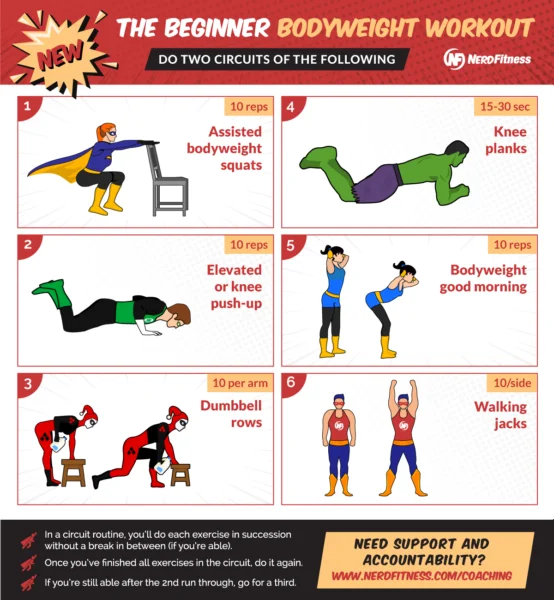
Building a progressive cardio session involves layering intensity thoughtfully. Begin each session with a 5-10 minute warm-up of light activity or stretches to prepare your muscles and joints. For example, Tom starts with gentle yoga poses and walking in place. As his fitness improves, he introduces intervals of faster movements followed by recovery periods. Sessions lengthen in time or effort over weeks, avoiding the trap of jumping immediately into high-intensity workouts that can cause burnout.
Sample Weekly Routine for Beginners to Advanced
Picture a beginner like Anna dedicating 20 minutes three times a week to a mix of walking on the spot, slow squats, and gentle arm swings. By week four, she adds moderate jumping jacks and increases session length by 10 minutes. An advanced version might include 30-40 minutes of intense bodyweight circuits combining burpees, mountain climbers, and jumping lunges five days weekly, with rest days interspersed. Flexibility in scheduling lets each individual tailor the routine to their capabilities.
Monitoring Progress and Adjusting Intensity
Using Heart Rate and Perceived Exertion
Tracking how hard your heart works guides safe progression. Using a simple pulse check during and after exercise can indicate if you’re working within your target zone. Alternatively, the Rate of Perceived Exertion scale—ranging from 1 (light) to 10 (max effort)—provides subjective feedback. When Mia noticed her perceived exertion lowering at the same workout intensity, she knew it was time to increase effort gradually to keep the challenge alive.
When and How to Increase Workout Difficulty
Deciding when to ramp up intensity depends on your consistency and recovery. If you find your current routine feels too easy or you fully recover within minutes, it’s time to add more challenge—either by increasing duration, number of intervals, or movement intensity. For example, Jacob added a 30-second sprint phase into his steady jogging session, then lengthened the sprint as he got stronger. Always balance progression with listening to your body to avoid overtraining.
Incorporating Recovery and Nutrition for Optimal Results
Importance of Rest Days in a Progressive Routine
Recovery is where gains happen. Without rest, your muscles and joints face wear and tear, increasing injury risk. Consider Lily, who initially overtrained and developed knee pain. Incorporating rest days and light recovery activities like stretching or yoga helped her body rebuild stronger. Aim to schedule at least one or two rest days weekly, using gentle movements or meditation to aid recovery and mental well-being.
Nutrition Tips to Support Weight Loss and Energy
Exercise alone won’t guarantee weight loss; nutrition complements every workout. Eating balanced meals with adequate protein, healthy fats, and whole grains fuels your cardio sessions and promotes muscle repair. Imagine Mike, who combined his progressive cardio with mindful eating, avoiding processed snacks and drinking plenty of water, leading to steady fat loss and sustained energy throughout the day. Consistency in both diet and cardio is the winning formula.