Understanding the Importance of Flexibility in Remote Work
Defining Flexible Work Schedules
One major challenge for remote employees is the rigidity often associated with traditional work hours. Flexible work schedules break away from the standard 9-to-5 model by allowing employees to adjust their start and end times, incorporate compressed workweeks, or work asynchronously. This flexibility empowers individuals to better integrate their professional duties with personal responsibilities, ultimately supporting a healthier balance between both.
Impact on Family Dynamics and Well-being
Without flexible scheduling, remote workers may struggle to juggle work demands with family interactions. Rigid timetables often interfere with meaningful family time, contributing to stress and burnout. Flexibility in schedules fosters opportunities for employees to be present during important family moments, improving emotional connections and overall well-being. When work hours align with family needs, employees can experience reduced tension and a more fulfilling home life.
Assessing Personal and Family Needs
Identifying Peak Productivity Hours
Productivity fluctuates throughout the day and varies between individuals. Forcing employees into fixed schedules that do not consider their natural energy peaks hampers efficiency. Understanding when you are most alert and focused allows you to arrange demanding tasks during these prime periods. This strategy not only enhances work output but also frees up time to engage with family during less intensive hours.
Aligning Work Hours with Family Activities
Family commitments such as childcare, caregiving, or educational support create unique scheduling challenges. Assessing these needs alongside your work obligations helps identify windows where professional tasks can be performed without sacrificing family involvement. Aligning work periods with times when family demands are lower enables smoother transitions between roles and reduces the feeling of being overwhelmed.
Strategies to Design Your Flexible Work Schedule
Time Blocking Techniques for Remote Employees
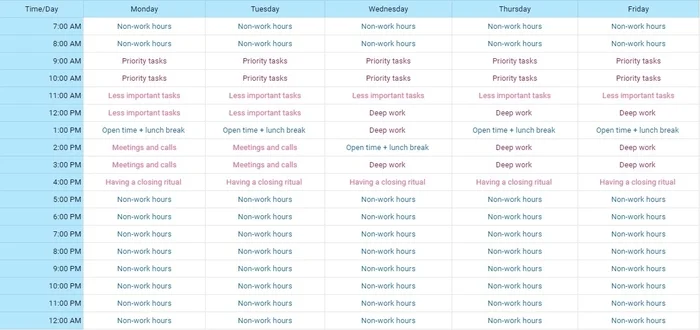
Time blocking is an effective method to segment your day into focused periods dedicated to specific tasks. By assigning discrete blocks for work, family, and personal time, you create a structured yet adaptable routine. This technique also helps prevent work from spilling into family time and enhances concentration during working blocks, promoting better productivity without sacrificing personal life.
Incorporating Breaks that Benefit Family Interaction
Uninterrupted work sessions are important, but so are intentional breaks. Scheduling short breaks allows you to recharge and engage in brief, meaningful moments with your family. These interludes can strengthen bonds and reduce stress, facilitating a balanced day. Unlike rigid schedules, flexible plans encourage these pauses to enhance both work performance and family closeness.
Tools and Technologies to Support Flexibility
Scheduling Apps and Calendar Sharing
Managing a flexible schedule can be complicated without the right tools. Digital calendars with sharing capabilities enable seamless coordination between family members and colleagues. Scheduling apps help organize tasks, set reminders, and visualize your day, making it easier to juggle commitments. These technologies alleviate confusion and enhance transparency about your availability, making flexibility practical and manageable.
Communication Platforms for Seamless Collaboration
The remote model demands efficient communication to avoid misunderstandings regarding work hours and expectations. Platforms that facilitate real-time messaging, video calls, and project tracking support collaboration irrespective of differing schedules. When managers prioritize outcomes instead of monitoring hours, these tools become vital to maintaining productivity while respecting flexible arrangements.
Setting Boundaries and Expectations
Communicating Availability to Employers and Colleagues
A common pitfall for remote employees is blurred availability, which leads to stress and inefficiency. Clearly communicating your work hours ensures that others know when to reach you and when you are offline. This dialogue helps establish mutual respect for personal time, reduces interruptions during family moments, and keeps the team aligned on expectations.
Creating Physical and Mental Work Boundaries at Home
Working from home often removes physical separation between professional and personal life, making it easy to lose boundaries. Designating a specific workspace and mentally transitioning into and out of work mode signals to your brain and family when you are engaged or unavailable. Establishing consistent routines around these boundaries prevents burnout and protects family time.
Balancing Work Commitments with Family Emergencies
Establishing Contingency Plans
Family emergencies can disrupt even the best-planned schedules. Without contingency plans, remote employees may experience heightened anxiety trying to meet work demands. Developing backup arrangements, such as flexible deadlines or support networks, allows for smoother adjustments during unexpected events. This preparedness maintains work continuity while prioritizing family needs.
Adapting Flexibility Based on Family Needs
Flexibility should be dynamic rather than static. As family situations evolve, so too should work schedules. Remote employees benefit from periodically reassessing their commitments and modifying their work hours to accommodate new responsibilities or challenges. This fluid approach prevents conflicts and supports sustained work-life harmony.
Measuring the Success of Your Flexible Schedule
Tracking Work Efficiency and Family Satisfaction
Implementing a flexible work schedule is only effective if it improves both productivity and personal happiness. Regular assessment through self-reflection or feedback helps determine whether work output meets expectations and if family time feels sufficient and fulfilling. Balancing these metrics highlights the overall success of the schedule.
Adjusting Schedule Based on Feedback and Results
Feedback from employers, colleagues, and family members provides valuable insights into how well your flexible schedule functions. If certain aspects hinder performance or family engagement, adjustments should be made promptly. Whether refining work blocks or shifting availability, continuous adaptation ensures your schedule remains beneficial and aligned with evolving needs.