Understanding the Importance of Work-Life Boundaries in Remote Work
The Rise of Full-Time Remote Work
In recent years, especially following global shifts in workplace dynamics, full-time remote work has become a mainstream mode of employment. What once was considered a flexible perk has now transformed into a fundamental aspect of many industries. This transition has brought a new set of opportunities and challenges, fundamentally altering how we define work-life balance.
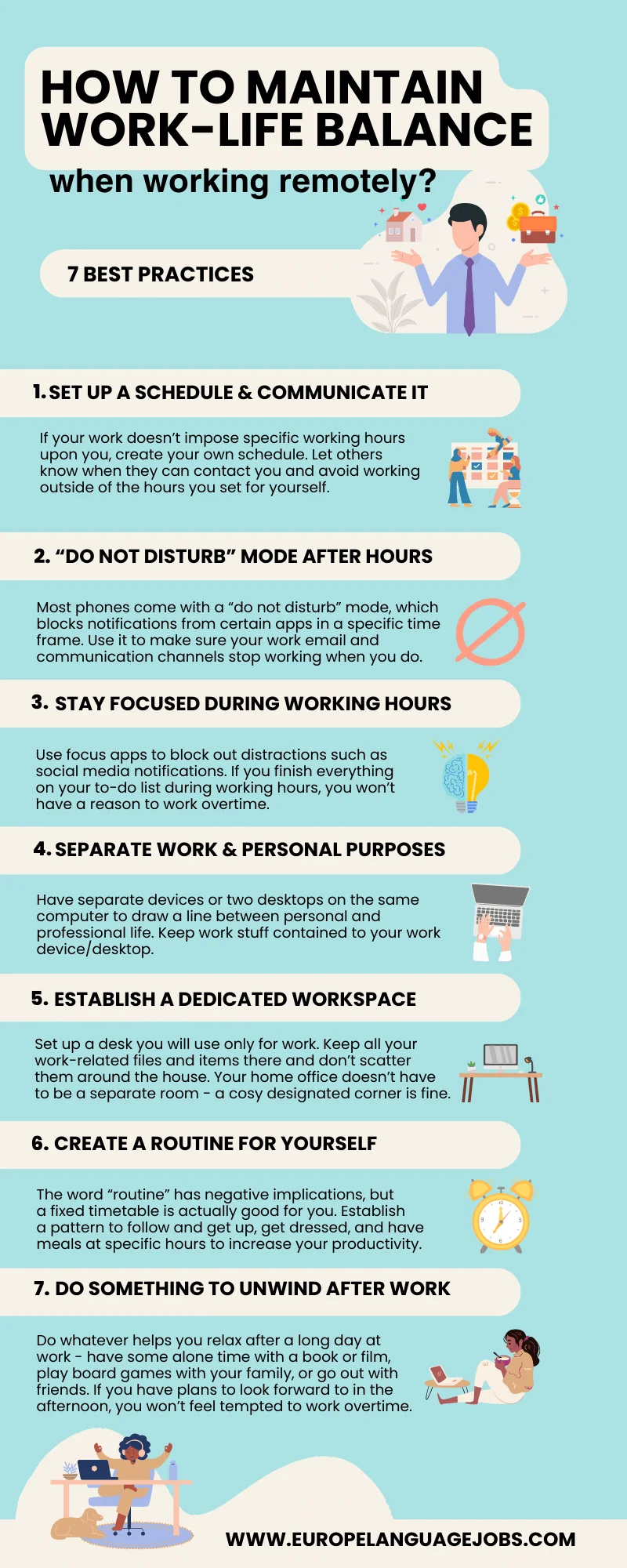
Working remotely offers the convenience of eliminating commutes and allows for a personalized work environment. However, this convenience blurs the traditional boundaries that once separated professional duties from personal life. The change requires thoughtful adaptation to maintain a healthy rhythm between work and home.
Common Challenges to Maintaining Boundaries
One of the biggest hurdles remote workers face is the lack of social cues that signal the start or end of a workday. Without the routine of leaving an office, it’s easy for work hours to spill into personal time. The constant connectivity through multiple devices and apps means many feel an unspoken pressure to be continuously available, which can foster anxiety and even burnout.
Additionally, competing demands arise when work and home life collide in the same physical space. The persistent ping of notifications can disrupt focus and increase stress, while unfinished tasks often linger in the mind, making true mental detachment difficult. These challenges highlight why setting clear work-life boundaries is more important than ever for remote professionals.
Effective Time Management Techniques
Creating a Structured Daily Schedule
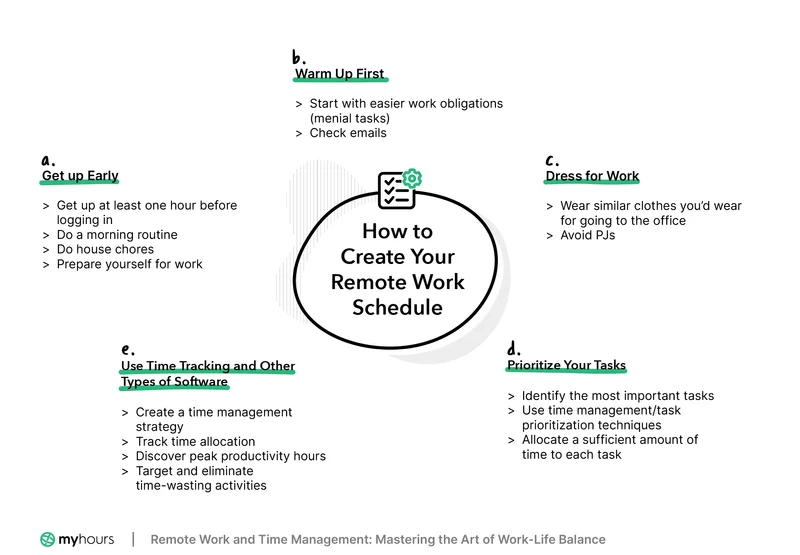
One of the most effective ways to maintain work-life boundaries is by crafting a structured daily schedule. This means planning your work hours thoughtfully, with consideration for both your peak productivity times and personal life commitments. Sharing this schedule with colleagues can set clear expectations about your availability, reducing the urge to respond to every message immediately.
Having a start and end time, just like you would in an office environment, encourages discipline and helps create psychological detachment from work when the day concludes. Incorporating buffer times for breaks or unexpected tasks also makes the day feel less rigid while maintaining control.
Using Technology to Track Work Hours
Technology can be a double-edged sword. While it often contributes to the feeling of being “always on,” it can also be a powerful tool for managing your time. Using apps or built-in features on your devices to track and block work hours helps hold yourself accountable. For example, calendar blocking can designate specific periods for focused work, meetings, and breaks.
Additionally, adjusting notification settings to limit alerts outside of set work hours enables mental space. Features like “Do Not Disturb” can mute interruptions and reinforce your boundaries, reminding both you and your contacts that you’re offline and recharging.
Designing a Dedicated Workspace
Optimizing Comfort and Productivity
Comfort is key when setting up your home office. Ergonomic furniture, good lighting, and minimal distractions contribute not only to productivity but also to your overall wellbeing. Your workspace should be inviting but functionally designed to keep you focused and efficient during work hours.
Small touches, such as adding plants or choosing a soothing decor, can make the space pleasant without becoming a place that entices endless lingering beyond work hours. This balance helps maintain motivation and reduces physical strain, which is essential for long-term remote work success.
Separating Work and Personal Spaces Physically
Perhaps the most significant visual reminder of work-life boundaries is having a separate, dedicated workspace. Avoid working from your bed, couch, or kitchen table if possible. Designate a room or corner strictly for work activities to signal your brain when it’s time to work and when it’s time to unwind.
This physical separation helps prevent the spillover of work stress into your personal life, reducing the temptation to check emails or answer calls after hours. When the workday is over, leaving the space can feel like leaving the office, creating a natural mental break.
Setting Clear Communication Guidelines
Establishing Work Hours with Employers and Colleagues
Transparent communication about when you are available is fundamental in maintaining healthy boundaries. By explicitly stating your work hours in email signatures, shared calendars, or during team meetings, you set a clear framework that discourages unrealistic expectations.
This openness helps colleagues understand when to reach out and when to wait, fostering respect for your time. It also protects you from the pressure to respond outside your designated hours, which can lead to burnout.
Using Boundaries to Avoid Overcommunication
Overcommunication can drain energy and time. Setting limits on how and when you engage with colleagues ensures that communication remains purposeful and efficient. For instance, you might decide to check emails at specific times rather than responding instantly to every message.
Encouraging the use of scheduled emails and thoughtful messaging can reduce the feeling of being overwhelmed by constant contact. This practice not only safeguards your focus but also enhances your ability to deliver quality work.
Incorporating Mental and Physical Wellness Routines
Taking Regular Breaks
It’s easy to fall into the trap of working straight through the day when your home doubles as your office. However, regular breaks are vital for sustaining energy and preventing burnout. Stepping away from the screen, even briefly, rejuvenates the mind and body.
Simple activities such as stretching, walking, or grabbing a snack can shift your mental state and improve concentration when you return. Scheduling these pauses into your day encourages discipline and protects your wellbeing.
Practicing Mindfulness to Reduce Burnout
Mindfulness practices, such as meditation or journaling, can be powerful tools to manage stress and foster psychological detachment from work. Spending a few minutes before or after work hours to center yourself helps create a mental boundary between your professional responsibilities and personal life.
By cultivating awareness and presence, mindfulness empowers you to better handle the pressures of remote work. It promotes resilience, keeping burnout at bay and helping maintain a balanced lifestyle.
Leveraging Support Systems
Engaging Family and Housemates in Boundary Respect
When your home is also your workplace, enlisting the support of those you live with is crucial. Clear communication about your work schedule and needs helps create an environment that respects your boundaries. Explaining when you cannot be disturbed and why helps minimize interruptions and distractions.
This collaboration fosters mutual understanding and supports a smoother workday, benefiting everyone in the household.
Seeking Peer and Managerial Support
Lastly, don’t underestimate the value of support from peers and managers. Sharing your challenges and strategies for maintaining boundaries can open doors for mutual assistance and flexibility. Managers who recognize and respect these boundaries contribute significantly to healthier work cultures.
Peer networks offer a space to exchange tips, motivation, and empathy, making the remote work experience less isolating. Together, these support systems create a foundation that sustains your professional and personal wellbeing.