Why Meal Planning is Essential for Vegan Families
Understanding Nutritional Balance in a Plant-Based Diet
Adopting a vegan lifestyle for your family is a wonderful choice for health, ethics, and the planet. However, ensuring that everyone receives balanced nutrition requires thoughtful planning. Unlike diets that include animal products, vegan meal planning demands a deliberate approach to combine a wide range of plant-based foods. This not only supports growth and energy but also prevents nutritional gaps that can arise if meals rely too heavily on a limited variety of ingredients.
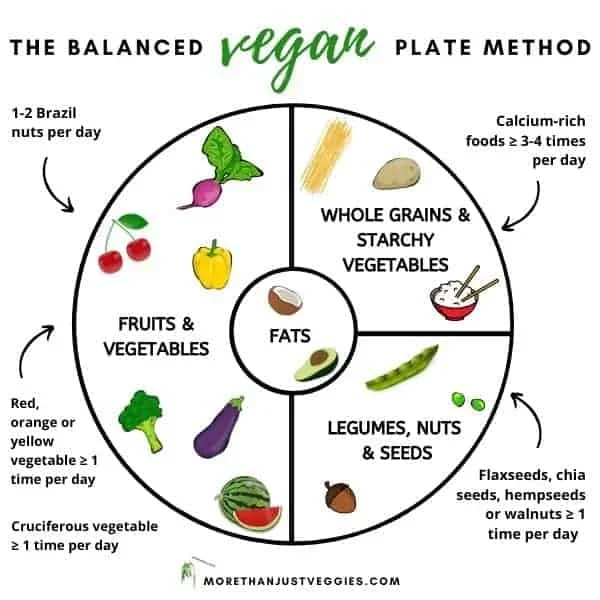
When you understand how to integrate proteins, vitamins, minerals, and healthy fats from plant sources, meal planning becomes a cornerstone for lasting well-being. It’s about creating meals that nourish the body fully, boost immunity, and satisfy taste buds, all while keeping things simple and enjoyable for the entire family.
Common Challenges Vegan Families Face
Many vegan families struggle with concerns like where to find enough protein or how to maintain adequate levels of vitamin B12, iron, and calcium. These nutrients often require extra attention because they are commonly found in animal products. Another challenge lies in keeping meals diverse and exciting for children who may be picky eaters or unfamiliar with some vegan ingredients.
Without proper planning, it’s easy to fall into repetitive eating patterns or miss out on key nutrients. Balancing busy schedules with cooking and grocery shopping also adds to the complexity. Addressing these challenges head-on with strategic meal planning can transform stress into confidence, ensuring a thriving vegan household.
Core Nutrients Every Vegan Family Needs
Proteins: Plant-Based Sources and Combinations
Protein is the building block for growth and repair, making it essential in family meal planning. Thankfully, the plant kingdom offers a wealth of protein-rich options. Legumes like beans, lentils, and peas deliver impressive protein content alongside fiber. Tofu, tempeh, and edamame are versatile soy-based options that can replace meat in many recipes.
Combining different protein sources throughout the day enhances amino acid profiles. For example, pairing rice with beans or whole-grain bread with peanut butter helps create complete proteins. Including nuts and seeds daily not only adds flavor and texture but also boosts protein and healthy fat intake crucial for brain development, especially in children.
Vitamins and Minerals: B12, Iron, Calcium, and Omega-3s
Vitamin B12 is essential for nerve health and energy, but since it’s primarily found in animal products, vegan families often need fortified foods or supplements. Iron is abundant in dark leafy greens, legumes, and fortified grains, but consuming vitamin C-rich foods like bell peppers or citrus fruits alongside meals helps boost absorption.
Calcium can be sourced from fortified plant milks, calcium-set tofu, and leafy greens like kale. Omega-3 fatty acids, vital for brain function, come from flaxseeds, chia seeds, hemp seeds, walnuts, and algae-based supplements. Attention to these nutrients ensures your family enjoys vibrant health and meets developmental needs.
Step-by-Step Guide to Creating a Weekly Vegan Meal Plan
Assessing Family Preferences and Dietary Needs
Before diving into recipes, take stock of what your family enjoys eating and any specific dietary requirements. Are there allergies to nuts or soy? Does someone prefer certain textures or flavors? Knowing these preferences helps tailor your meal plan to increase acceptance and minimize waste.
Engage your family in conversations about favorite foods or new dishes they want to try. This inclusivity also encourages children to feel excited and invested in the meals you prepare together. A meal plan that suits your family’s tastes naturally becomes easier to stick to.
Incorporating Variety to Avoid Nutrient Gaps
Variety is key to both nutrition and enjoyment. Plan to rotate different vegetables, grains, and protein sources throughout the week. Including a colorful mix of vegetables like cruciferous broccoli, vibrant carrots, and leafy greens helps cover a spectrum of vitamins and minerals.
Experimenting with spices such as turmeric, ginger, or cinnamon can elevate flavors without extra calories. Using nuts, seeds, and legumes in diverse ways adds texture and nutritional value. By diversifying ingredients, you safeguard against monotony and inadvertent nutrient deficiencies.
Budget-Friendly Tips for Vegan Grocery Shopping
Eating well doesn’t have to break the bank. Buying staples like dried beans, lentils, and grains in bulk saves money and reduces packaging waste. Seasonal fruits and vegetables often cost less and pack more flavor and nutrients.
Frozen produce is another excellent option that offers convenience and longevity without sacrificing nutritional quality. Look for store-branded fortified plant milks and yogurts, which tend to be more affordable. Planning meals around weekly specials or sales can stretch your budget further while keeping nutrition intact.
Batch Cooking and Meal Prep Strategies
Time-Saving Techniques for Busy Families
Batch cooking is a game-changer when juggling busy schedules. Preparing large portions of soups, stews, or casseroles lets you freeze individual servings for quick meals later. Overnight soaking of grains and beans shortens cooking times and speeds up meal prep.
Chopping vegetables ahead and storing them in the fridge makes assembling meals faster during hectic evenings. Incorporating one-pot recipes or slow cooker meals reduces active cooking time, giving you more moments with family while still serving wholesome dishes.
Storage Tips to Maintain Food Quality and Nutrition
Proper storage preserves both taste and nutrients. Use airtight containers to keep leftovers fresh and prevent freezer burn. Label meals with dates to ensure nothing gets forgotten or wasted.
Some vegetables, like leafy greens, last longer when wrapped in damp paper towels inside containers. If you batch-cook grains or legumes, cool them quickly before refrigerating to maintain food safety. These small habits make meal prep more efficient and reduce stress around food management.
Sample Balanced Meal Plan for a Week
Breakfast, Lunch, Dinner, and Snacks
A typical day could start with creamy porridge topped with walnuts, flaxseeds, and fresh fruit. Lunch might be a colorful pasta salad with roasted vegetables, beans, and a no-oil dressing. Dinner options like chickpea curry or shepherdless pie provide warmth and protein.
Snacks such as apple slices with peanut butter or veggie sticks dipped in houmous keep energy levels stable. Rotating these meals throughout the week makes the plan manageable and keeps the family eager for mealtime.
Adjusting Portions for Different Age Groups
Growing children have different nutritional needs and appetites compared to teenagers or adults. Adjust portion sizes accordingly, offering smaller servings to younger kids and increasing amounts for older family members. Pay attention to signs of fullness and hunger rather than strict portion rules.
Including a variety of textures and flavors encourages kids to try new foods, supporting good eating habits early on. You can also customize meals to accommodate activity levels or specific nutrient requirements, allowing flexibility within your overall plan.
Monitoring and Adapting Your Meal Plan Over Time
Recognizing Nutritional Deficiencies
Regularly check in on how your family feels and functions. Symptoms like fatigue, difficulty concentrating, or frequent illnesses might indicate nutrient gaps. Consulting a healthcare professional for blood tests can confirm if supplements or diet adjustments are needed.
Tracking growth and energy levels in children is particularly important. If you notice any concerns, gently expand your meal plan to include fortified foods or more diverse ingredients. Staying proactive ensures your family thrives on a vegan diet.
Involving Children in Meal Planning and Preparation
Get kids involved by letting them help choose recipes, shop for groceries, or assist with cooking. This hands-on involvement teaches valuable skills and fosters a positive relationship with food. Children who participate tend to be more willing to eat what they helped create.
Make cooking fun by trying activities like making fresh rolls or experimenting with new sauces. Encouraging creativity in the kitchen not only builds confidence but also deepens family bonds around shared meals.