Introduction to Dynamic Stretching
What is Dynamic Stretching?
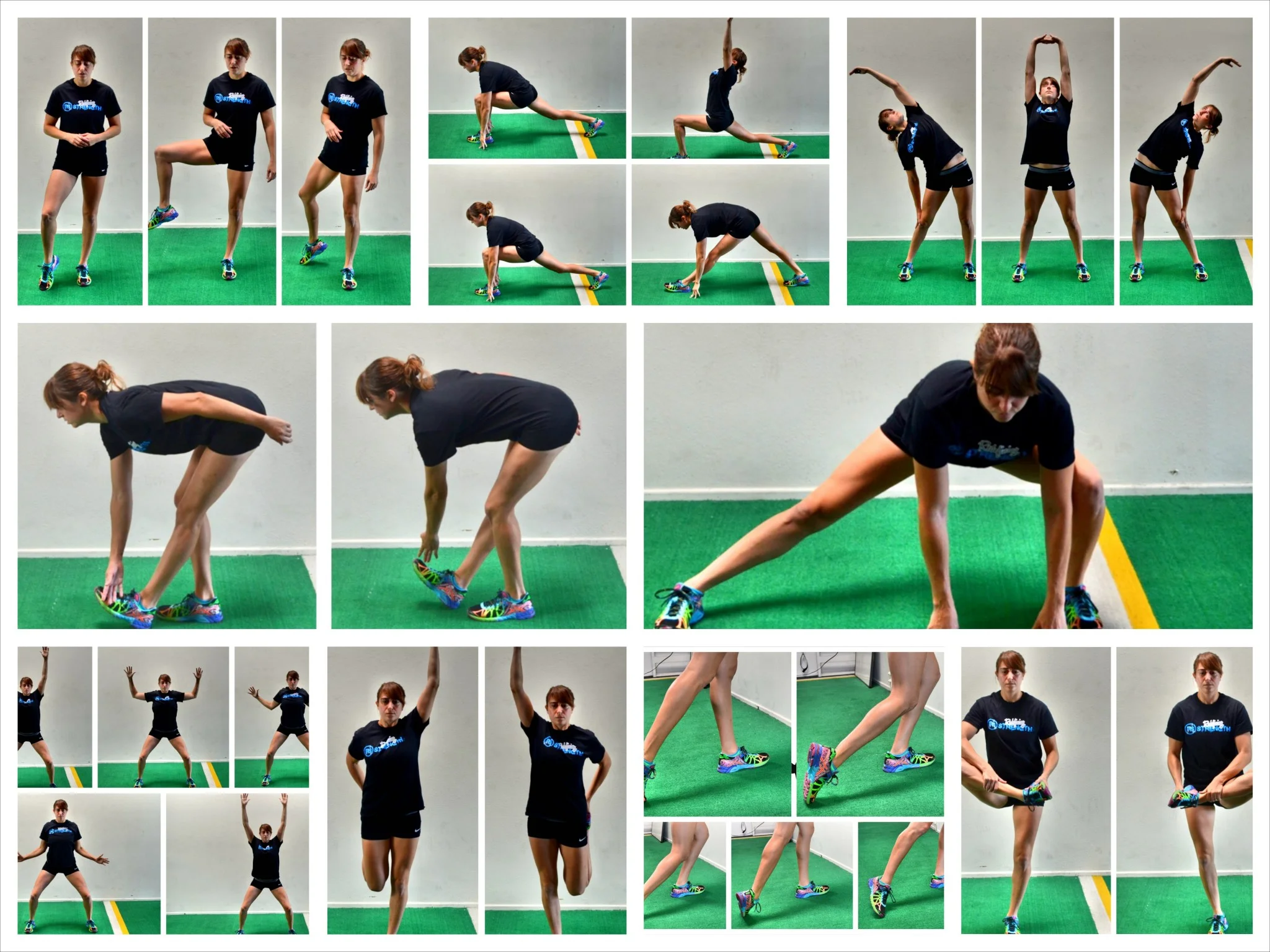
Dynamic stretching involves moving parts of your body through a full range of motion in a controlled manner. Unlike static stretching, which holds a position for an extended time, dynamic stretches are active movements designed to prepare muscles and joints for physical activity. This type of stretching increases blood flow, improves flexibility, and warms up the body before exercise.
Benefits of Dynamic Stretching for Strength Training
Dynamic stretching is particularly beneficial before strength training as it helps increase mobility and muscle activation. It primes the nervous system, improves joint lubrication, and enhances overall movement mechanics. This preparation can lead to better performance, reduce the risk of injury, and support effective muscle engagement during lifts and other strength-focused exercises.
Key Mobility Areas to Target Before Strength Training
Shoulders and Upper Back
Mobility in the shoulders and upper back is crucial for effective pressing movements and overhead lifts. Dynamic stretches in this area increase the range of motion and activate stabilizer muscles, helping maintain proper posture and form during strength exercises.
Hips and Lower Back
The hips and lower back serve as the foundation for many strength-based movements like squats and deadlifts. Dynamic stretching in these regions supports hip flexibility and spinal alignment, which enhances performance and decreases the likelihood of strain or injury throughout your training.
Hamstrings and Quadriceps
Maintaining flexibility and mobility in the hamstrings and quadriceps is essential for efficient leg drive and stability. Dynamic stretches targeting these muscles improve movement patterns and help prevent tightness that can impair lifting mechanics or increase injury risk.
Top Dynamic Stretching Exercises to Incorporate
Arm Circles and Cross-Body Swings
Arm circles gently mobilize the shoulder joint, improving circulation and range of motion. Cross-body swings further engage the shoulders and upper back, promoting coordination and dynamic flexibility that primes the upper body for strength work.
Leg Swings: Front-to-Back and Side-to-Side
Leg swings activate the hip flexors, hamstrings, and adductors by moving the leg in multiple directions. This dynamic movement encourages fluidity and hip mobility, setting the stage for exercises that demand strong, controlled lower-body action.
Walking Lunges with Torso Twist
This compound movement targets the hips, quadriceps, and torso simultaneously. The torso twist adds an element of spinal mobility and core stability, enhancing overall coordination and balance crucial for multi-joint strength exercises.
World’s Greatest Stretch Explained
The World’s Greatest Stretch combines hip opening, hamstring lengthening, and thoracic spine rotation. It is effective in addressing multiple mobility limitations at once, preparing the body comprehensively for the demands of strength training.
High Knees and Butt Kicks
High knees activate the hip flexors and promote cardiovascular warm-up, while butt kicks engage the hamstrings dynamically. Together, these movements enhance leg mobility and muscle readiness, improving sprinting and jumping mechanics often involved in strength workouts.
Customizing Your Dynamic Stretching Routine
Assessing Your Mobility Needs
Start by identifying tight or restricted areas that could limit your strength training effectiveness. Pay attention to joints and muscles that feel stiff or are prone to discomfort. Tailoring your dynamic stretching to these points ensures a more targeted and beneficial warm-up.
Duration and Intensity Guidelines
Effective dynamic stretching typically lasts around 5 to 10 minutes, focusing on controlled, deliberate movements. Exercises should be performed at a moderate pace to raise body temperature and prepare muscles without causing fatigue or strain.
Integrating with Your Warm-Up
Dynamic stretches are best incorporated at the start of your warm-up routine. They can be combined with light aerobic activity to gradually increase heart rate and circulation. This seamless integration optimizes readiness for the upcoming strength session.
Common Mistakes to Avoid During Dynamic Stretching
Overstretching and Injury Risk
Pushing beyond comfortable ranges of motion in dynamic stretches can lead to muscle strains or joint irritation. It is important to respect your current mobility limits and progressively improve over time rather than forcing excessive stretch.
Neglecting Specific Muscle Groups
Overlooking areas like stabilizer muscles in the core, hips, and legs can reduce the effectiveness of your warm-up. Balanced attention to all key muscle groups ensures comprehensive mobility gains and better stability during strength exercises.
Conclusion: Why Dynamic Stretching Enhances Performance
Dynamic stretching is an essential component of a successful strength training regimen. By increasing mobility, activating muscles, and improving coordination, it lays the groundwork for safer and more effective workouts. Prioritizing dynamic stretching helps maintain long-term functionality and enhances overall athletic performance.