Understanding Macronutrients and Their Role in Muscle Growth
What Are Macronutrients?
Macronutrients are the nutrients your body needs in large amounts to function properly: protein, carbohydrates, and fats. Each plays a critical role in supporting overall health and providing the energy necessary for daily activities. For busy professionals looking to increase muscle mass, understanding how these macronutrients contribute to muscle growth can transform your fitness journey from guesswork to science.
The Science Behind Muscle Hypertrophy
Muscle hypertrophy, or growth, occurs when muscle fibers sustain tiny tears during resistance training, prompting the body to repair and rebuild them stronger and larger. This process requires adequate protein for repair, carbohydrates to replenish energy stores, and fats to support hormone production. Without the right balance, the recovery process slows down, leaving your hard-earned efforts less effective.
Why Ratios Matter for Busy Professionals
Time constraints often lead professionals to overlook nutrition, focusing only on quick meals or supplements. However, macronutrient ratios are crucial; they ensure that your body has the precise fuel it needs for muscle recovery and energy without excess calories causing unwanted fat gain. Efficient meal planning with proper ratios helps maximize the limited time busy individuals have for both training and nutrition.
Effective Macronutrient Ratios Tailored for Muscle Gain
Protein: Building Blocks of Muscle
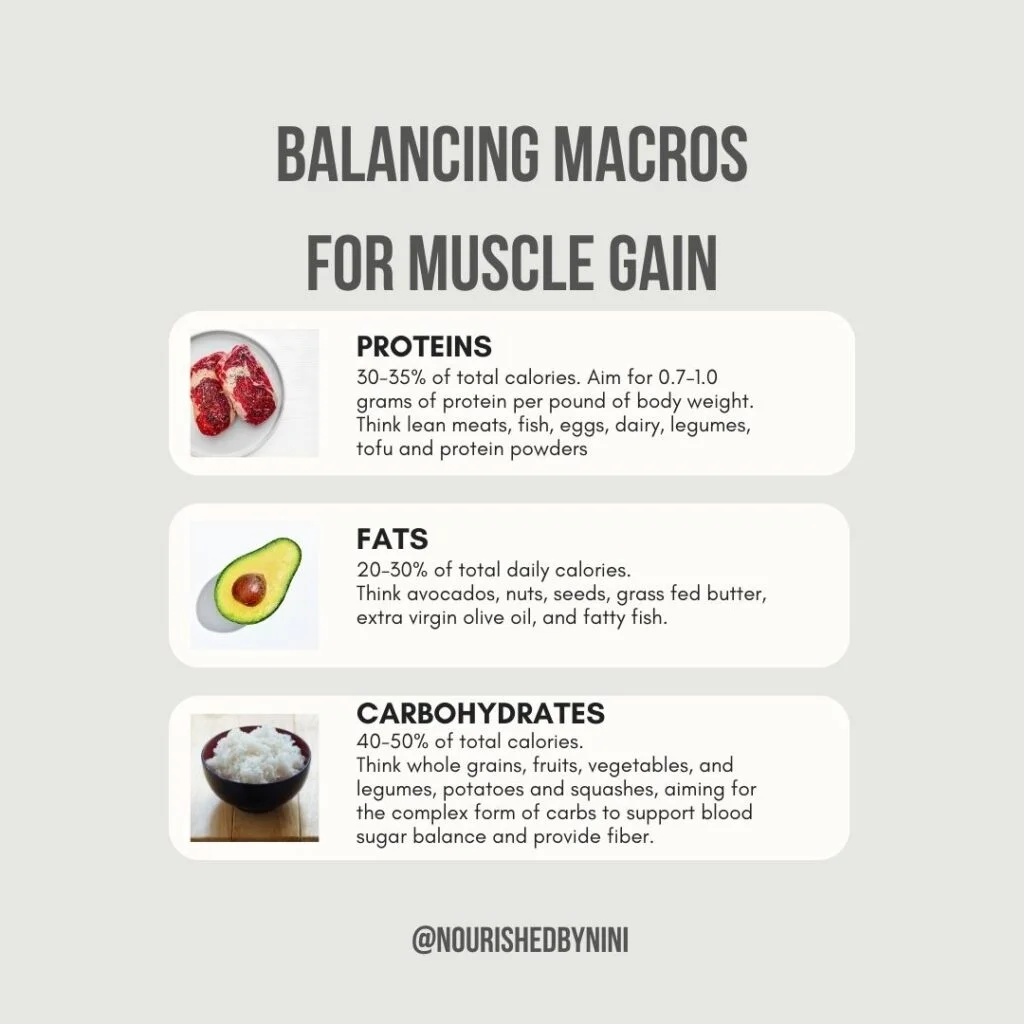
Protein intake is fundamental for muscle repair and growth. For example, Sarah, a corporate lawyer, found that increasing her protein consumption to 30-35% of her daily calories helped her recover faster from workouts, even on her busiest days. She focused on high-quality protein sources like skinless chicken breast and quinoa, which not only supported muscle synthesis but also kept her full and energized during long meetings.
Carbohydrates: Fuel for Intense Workouts
Carbohydrates serve as the primary energy source for high-intensity workouts. Consider John, a tech executive who initially slashed his carbs to lose fat but noticed his strength and muscle gains plateaued. By adjusting his intake to 45-50% carbohydrates, including complex options like sweet potatoes and oats, his energy levels stabilized, allowing him to push harder during training and experience better recovery afterward.
Fats: Supporting Hormonal Health
Healthy fats are often misunderstood but are vital for hormone production, including testosterone—a hormone critical for muscle growth. Michelle, a busy marketing manager, incorporated sources like avocados and olive oil into her meals, which helped her maintain balanced hormone levels despite a hectic schedule. She noticed improved muscle tone and energy, demonstrating the importance of including 20-25% fats in her macronutrient profile.
Customizing Ratios Based on Individual Factors
Assessing Your Activity Level and Schedule
A software developer working remotely might have lower daily activity compared to a construction manager, requiring different calorie and macro adjustments. It’s essential to assess how active you are throughout the day and the intensity of your workouts. For instance, those with sedentary jobs may benefit from slightly reduced carbs, focusing more on protein and healthy fats, while physically active professionals might need higher carbohydrate ratios for sustained energy.
Adjusting for Age and Metabolism
As we age, metabolism naturally slows, altering macronutrient needs. Take Mark and Lisa, both in their 40s but with different metabolisms—Mark requires fewer calories due to slower metabolic rate, so he emphasizes quality protein and fats, while Lisa maintains higher carb intake aligned with her endurance training. Knowing your metabolic rate using tools like the Mifflin-St Jeor equation helps tailor your macros appropriately to avoid unwanted fat gain while still building muscle.
Common Ratio Templates and How to Modify Them
A common muscle-building ratio is 45-50% carbohydrates, 30-35% protein, and 20-25% fat. Yet, personalization is key. For instance, an early riser with morning workouts might increase protein intake in the morning and focus on carbs around training sessions. Conversely, night owls may shift more protein to later meals. Experimenting while monitoring progress ensures your macros support your unique physiology and lifestyle demands.
Meal Planning Strategies for the Time-Pressed
Quick Macros-Based Meal Prep Ideas
Busy professionals often struggle with consistent meal prep, which is vital for maintaining macronutrient ratios. For example, Emily, a nurse working long shifts, prepares overnight oats with protein powder, chia seeds, and berries for breakfast. She cooks batches of grilled chicken, quinoa, and roasted vegetables on weekends, making balanced lunches and dinners a breeze during hectic weekdays. These strategies save time and ensure nutrient-dense meals.
Using Technology to Track and Adjust Intake
Apps like MyFitnessPal allow users to log meals and understand their macronutrient distribution. David, an architect balancing projects and gym sessions, found tracking his intake helped identify when he was falling short on protein or over-consuming fats. This feedback enabled him to tweak his portions and food choices weekly, ensuring consistent progress toward his muscle-building goals despite his unpredictable schedule.
Balancing Macros While Eating Out
Dining out can be a challenge, but practical choices help maintain your macro goals. For instance, Jessica, a sales executive, opts for grilled lean meats paired with vegetables and requests dressings on the side. Choosing whole-grain bread or rice over fried options helps her maintain carbohydrate quality. Planning ahead by checking menus online also allows better decision-making, demonstrating that eating out need not derail muscle gain efforts.
Maximizing Muscle Gains: Beyond Macronutrients
The Importance of Hydration and Micronutrients
Staying hydrated supports muscle function and recovery. Raj, an attorney working long hours, realized his muscle cramps reduced dramatically after increasing water intake to at least 3 liters daily. Additionally, micronutrients like magnesium and vitamin D, often missing in busy diets, play essential roles. Including leafy greens, nuts, and adequate sunlight exposure can complement your macros to optimize muscle health.
Incorporating Resistance Training Efficiently
Muscle gain hinges on effective resistance training. Anna, a financial analyst, fits 30-minute strength sessions into her lunch breaks using resistance bands and bodyweight exercises. By focusing on compound movements and gradually increasing intensity, she maximizes muscle stimulus without spending hours at the gym. Efficient training combined with proper macros accelerates muscle hypertrophy even in time-limited scenarios.
Recovery and Sleep for Muscle Growth
Muscle repair occurs primarily during rest. Michael, a busy entrepreneur, struggled with recovery until he prioritized 7-8 hours of quality sleep each night. Coupled with balanced nutrition, restorative sleep helps regulate hormones and muscle protein synthesis. Integrating strategic rest days into busy schedules prevents overtraining and enhances gains, highlighting that nutrition and training alone are insufficient without recovery.
Summary and Actionable Tips for Busy Professionals
Muscle gain for busy professionals is achievable with practical macronutrient ratios and realistic strategies. Prioritize a balanced intake of approximately 45-50% carbohydrates, 30-35% protein, and 20-25% fats, adjusting for individual needs. Embrace whole foods, spread protein evenly throughout the day, and ensure carbs are consumed around workouts to fuel energy and recovery. Utilize meal prep and technology to streamline nutrition management.
Remember to integrate efficient resistance training, prioritize hydration and sleep, and adjust your plan as your body and lifestyle evolve. Avoid common pitfalls like severely restricting carbs or fats, neglecting rest, and relying solely on supplements. With these tailored approaches, even the busiest professionals can see consistent, sustainable muscle growth that supports both their fitness and demanding lives.