Why Choose a Minimalist Kitchen?
Benefits of Minimalism in Kitchen Design
Adopting a minimalist approach in your kitchen doesn’t just create a sleek and stylish space—it transforms the way you interact with your home’s heart. When every item has a purpose and place, cooking becomes less stressful and more enjoyable. A minimalist kitchen encourages efficiency and clarity, helping you focus on the joy of preparing meals rather than battling clutter. It also maximizes your space, making even small kitchens feel open and inviting. Plus, cleaning takes less time when surfaces are clear, and maintenance becomes simpler, which is a win for anyone juggling a busy lifestyle.
Common Misconceptions About Minimalist Kitchens
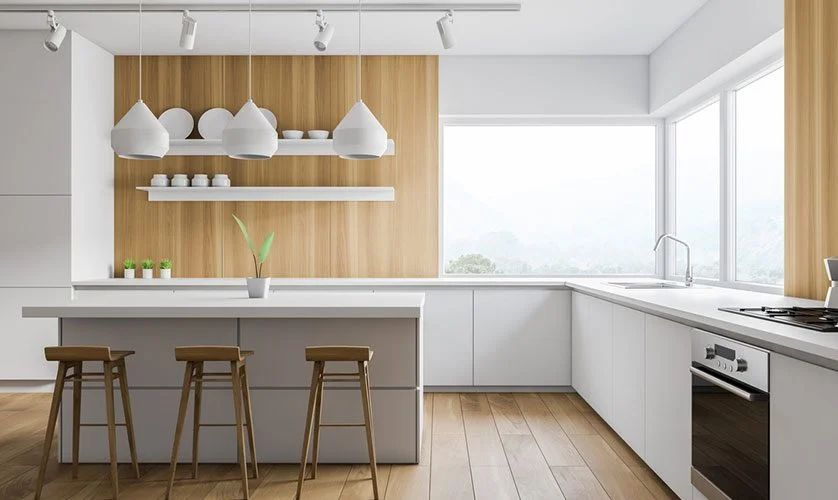
One common myth is that a minimalist kitchen lacks personality or warmth. In reality, minimalism is about intentionality, not austerity. Another misconception is that minimalism means sacrificing functionality—yet, good minimalist design only keeps what you truly need and use regularly. Some worry that minimalist kitchens are only for expert chefs or ultramodern homes. However, anyone can tailor a minimalist style to suit their cooking habits and tastes. The key is knowing what works best for your day-to-day life rather than chasing an idealized notion of the perfect kitchen.
Essentials of Minimalist Kitchen Layout
Maximizing Space with Smart Storage Solutions
Smart storage is the backbone of a minimalist kitchen. By using vertical space wisely—think tall cabinets, open shelving, or pull-out pantries—you keep countertops clear and functional. Storage containers that are uniform and transparent simplify the pantry, so you can find ingredients quickly and easily. Hidden compartments and drawer dividers help manage utensils and smaller items, preventing the usual drawer chaos. When everything has a dedicated spot, your kitchen feels spacious and organized, even if square footage is limited.
Streamlining Kitchen Zones for Efficiency
Efficiency in the kitchen comes from thoughtful zoning. By arranging areas for preparation, cooking, cleaning, and storage logically, you reduce unnecessary movement and keep your workflow smooth. Minimalism supports this by encouraging you to consider what zones really need and what items belong where. For example, keeping daily-use items within arm’s reach saves time, while less-frequent tools can stay tucked away. This thoughtful arrangement eliminates the temptation to overload counters and cabinets with seldom-used gadgets or utensils.
Choosing Functional Yet Minimalist Kitchen Tools
Multi-Purpose Appliances: What to Keep

When selecting appliances, look for tools that serve multiple functions, cutting down on clutter without losing capability. A slow cooker that doubles as a rice cooker or a blender that can chop, mix, and puree allows you to streamline your kitchen. Before adding new gadgets, it’s wise to test them—for instance, borrowing or renting—to see if they truly fit your lifestyle. This prevents impulse purchases that add bulk but little long-term value. Aim for compact, sleek models that complement your kitchen’s clean lines and don’t crowd your workspace.
Decluttering Countertops Without Losing Utility
Counters often become a catch-all for items we use daily, but minimalism teaches us to be selective. Keeping only essential tools visible—like a coffee maker or a knife block—maintains functionality while reducing visual clutter. It’s helpful to develop the habit of putting items away immediately after use. Consider integrating hidden storage solutions for small appliances, which keeps surfaces clear but your tools close at hand. The goal isn’t to have an empty countertop all the time, but to minimize distractions and make your kitchen easier to use and clean.
Material and Color Choices to Enhance Minimalism
Selecting Durable, Easy-to-Clean Surfaces
The surfaces you choose set the tone for your kitchen’s style and practicality. Durable materials such as quartz or stainless steel provide a sleek, modern look but are also resilient to daily wear. Easy-to-clean countertops and backsplash surfaces reduce maintenance time, fitting perfectly with minimalist principles by preventing buildup of grime and clutter. Natural materials like wood or stone can introduce warmth and texture to soften the space, ensuring your minimalist kitchen avoids feeling too cold or sterile.
Using Neutral Palettes to Create Calm and Order
Neutral colors are a cornerstone of minimalist kitchen design. Shades like white, beige, or soft grey create an airy atmosphere, making even small kitchens appear larger and more inviting. These tones provide a calm backdrop that allows your carefully chosen items and textures to shine without overwhelming the senses. Instead of bold or busy color schemes, small touches of color can be added through accessories, keeping the overall appearance serene and orderly. This approach helps reduce visual clutter and supports a peaceful cooking environment.
Maintaining Practicality with Minimalist Aesthetics
Organizing for Accessibility and Quick Use
Maintaining a minimalist kitchen goes beyond design—it requires regular organization tailored to your habits. Utilizing drawer dividers, utensil trays, and uniform storage containers ensures that everything stays in place and is easy to locate. Organize items by frequency of use so that daily tools remain accessible while less-used items are stored away. Open shelving can be used thoughtfully to display matching dishware or a handful of decorative items, striking a balance between function and style. The essence of minimalism here is to create a space that works for you effortlessly.
Cleaning Habits That Support Minimalist Design
Keeping a minimalist kitchen functional hinges on good cleaning habits. When surfaces are clear, wiping down counters becomes a quick and satisfying task rather than an overwhelming chore. Make it a habit to clean as you go, putting away items once finished instead of letting clutter accumulate. Adequate lighting—especially under-cabinet lights—enhances visibility, making it easier to spot messes and maintain a tidy environment. Through intentional upkeep, your minimalist kitchen remains a space that feels refreshing and ready whenever you are.