Maximizing Cabinet Space for Bulk Dry Goods
Assessing Your Current Storage Setup
Storing bulk dry goods in a limited kitchen cabinet can be a challenge, especially when space is tight. The problem often begins with a kitchen that was not initially designed to accommodate large volumes of food, a common situation for those who enjoy bulk shopping at stores like Costco. Limited storage capacity means that without a clear plan, dry goods may be squeezed into inconvenient spots or even relegated to non-kitchen areas such as the attic, making access both cumbersome and inefficient.
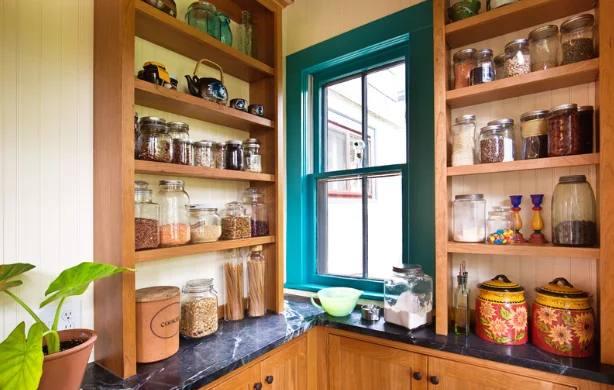
This issue is frequently compounded by a pantry closet that has been used for miscellaneous non-food items, which reduces available space for pantry essentials. To address these challenges, it is crucial first to take stock of the current storage situation. Assess which cabinets and shelves are being used, identify clutter or misplaced items, and note how frequently used items are stored. The goal is to understand where your bulk dry goods currently reside and why the current system is ineffective.
Choosing the Right Containers for Efficiency
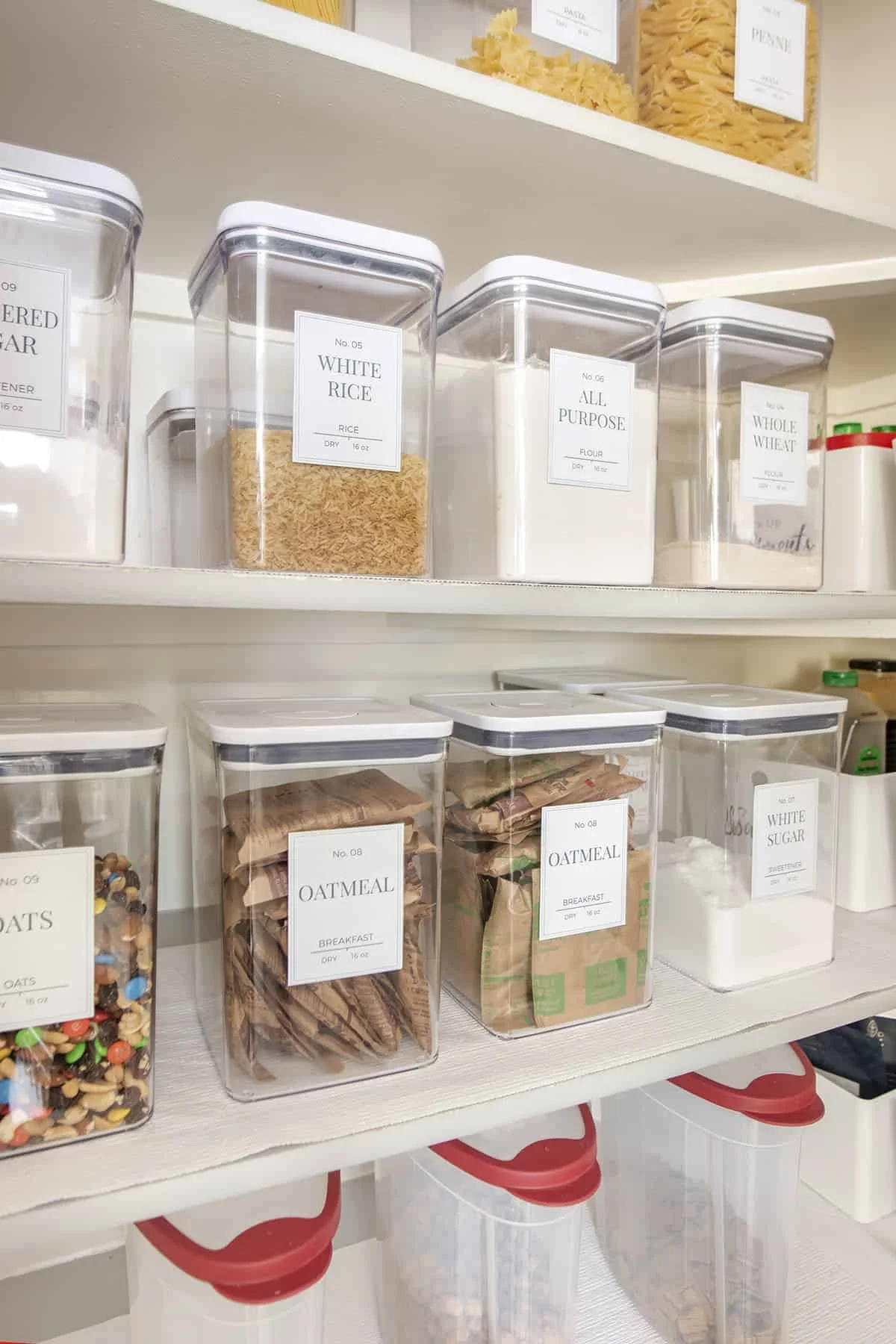
The choice of storage containers plays a vital role in maximizing cabinet space. Inefficient containers can waste space due to irregular shapes or sizes, while clear, stackable, and labeled containers can help organize bulk goods neatly, improving accessibility and saving space. For example, glass jars and stackable plastic canisters allow for easy visibility and efficient stacking, which aids in utilizing vertical space within cabinets.
Moreover, selecting containers that match the volume of your typical bulk purchases helps avoid excess leftover packaging and clutter. Incorporating baskets and clear handled storage baskets can further group smaller items, preventing them from getting lost in deep cabinets. By investing in well-designed, space-saving containers, you transform cramped cabinets into orderly, accessible pantries.
Innovative Storage Solutions Beyond Traditional Cabinets
Using Vertical Space with Stackable Organizers
When cabinet space is limited, the vertical area often remains underutilized. This is a common oversight that restricts the total storage capacity. Bulk dry goods frequently come in bulky bags and boxes that don’t stack well, creating wasted vertical space. Using stackable organizers and tiered shelves allows you to build upward rather than outwards, making the most of every inch inside and even on top of your existing cabinets.
Stackable containers and shelving units help layer items neatly, reducing clutter and making it easier to see what you have at a glance. The issue of bulk food items taking up too much horizontal space can also be solved by repurposing vertical space in adjacent areas such as mudrooms or hallway closets. For instance, building shelves in these spots can serve as an overflow pantry, freeing up the kitchen for everyday essentials.
Magnetic and Hanging Storage Options
Creative use of magnetic and hanging storage offers another solution to limited cabinet space. Magnetic spice jars that attach to the side of refrigerators or metal shelves can keep small items organized and accessible. Hanging baskets and clip-on baskets under shelves add extra layers of storage without requiring additional cabinet room. These options utilize often overlooked spaces such as the undersides of cabinets or the walls near the kitchen workspace.
By introducing these unconventional storage methods, you can reduce cabinet congestion and create specialized zones for different types of dry goods. This also prevents the frustration of digging through clutter and helps maintain a clean, streamlined kitchen appearance.
Organizational Tips for Bulk Dry Goods
Labeling Methods for Easy Identification
Organization is only as effective as its ease of use, making labeling a critical step in managing bulk dry goods. Without clear identification, it’s easy to lose track of contents or purchase duplicates unnecessarily. Using an embossing label maker to create neat, durable labels improves both the functionality and aesthetics of your storage.
Labels should be clear and placed on every container, from large canisters to small spice jars. This simple practice helps family members quickly find what they need and encourages consistency in returning items to their proper places. Proper labeling also supports rotation practices, ensuring older goods are used before newer stock, which reduces waste.
Grouping Similar Items to Save Space
Another key organizational strategy is grouping bulk dry goods by category. Problems arise when related items are scattered, leading to duplicated purchases or wasted time searching. Grouping items such as baking supplies, snacks, cooking essentials, and beverages keeps similar products together, making meal prep and inventory checks smoother.
The cause of disorganized bulk storage often stems from failing to allocate space mentally or physically for different food groups. Even a simple diagram or dedicated shelves for each category can prevent this. While perfect grouping isn’t always feasible, maintaining relative proximity of like items generally improves space usage and convenience.
DIY Projects to Enhance Storage Capacity
Building Pull-Out Shelves and Drawers
Limited cabinet space can be expanded by customizing your storage through DIY projects like pull-out shelves and drawers. Many homeowners struggle with deep cabinets where items at the back are hard to reach, often leading to waste or forgotten goods. Pull-out shelves solve this by allowing you to access the full depth of your cabinets with ease.
This option requires some initiative but can significantly improve functionality. Pull-out drawers and shelves can be installed in kitchen cabinets or pantry closets, creating layers of easily accessible storage. This method not only maximizes space but also reduces the frustration that comes with digging through crowded shelves.
Repurposing Household Items for Storage
Repurposing common household items is an inventive solution when traditional storage options are scarce or costly. For instance, using baskets that were once decorative or relocating non-food items from the pantry closet to other areas like a guest house loft or attic can free up valuable pantry space. This reallocation allows bulk food to be stored in dedicated areas, improving overall kitchen efficiency.
Other miscellaneous containers like clear handled baskets and stackable crates can be transformed into storage solutions, reducing the need for expensive specialty containers. These inexpensive and environmentally friendly approaches can be tailored to fit your kitchen’s unique layout.
Maintaining Freshness in Bulk Dry Goods Storage
Proper Sealing and Airtight Container Benefits
One critical aspect often overlooked in bulk dry goods storage is maintaining freshness. Bulk items tend to be larger in quantity and can spoil or lose quality if exposed to air and moisture. Using airtight containers and proper sealing methods safeguards the food’s longevity and prevents contamination from pests or humidity.
The cause of premature spoilage is frequently inadequate packaging after opening large bulk items. Investing in glass jars with tight lids or plastic canisters designed for airtight sealing preserves texture, flavor, and nutritional quality. This practice not only prolongs shelf life but saves money by reducing waste.
Rotation Practices to Avoid Waste
Finally, managing bulk dry goods effectively requires consistent rotation practices. The problem of expired or wasted food often comes from a lack of systematized inventory use. To prevent this, always place newly purchased items behind older stock on shelves and label containers with purchase or expiration dates.
Keeping frequently used items in easily accessible spaces like kitchen cabinets or mudroom shelves encourages their timely use. At the same time, overflow bulk goods stored in converted closets or other areas can remain organized with clear rotation methods. This habit protects your investment in bulk shopping and keeps your kitchen running smoothly.