Understanding the Link Between Exercise and Hormonal Balance
How Hormones Influence Energy Levels
Hormones are powerful chemical messengers that regulate numerous bodily functions, including metabolism, mood, and energy levels. Fluctuations in hormones such as estrogen, progesterone, cortisol, and testosterone can dramatically impact how energized or fatigued you feel throughout the day. For example, during menstruation, a drop in estrogen and progesterone often leads to lower energy and reduced strength. Conversely, in the follicular phase, rising estrogen levels typically result in increased vitality. Understanding these natural hormonal variations is crucial to managing energy effectively.
The Role of Physical Activity in Hormone Regulation
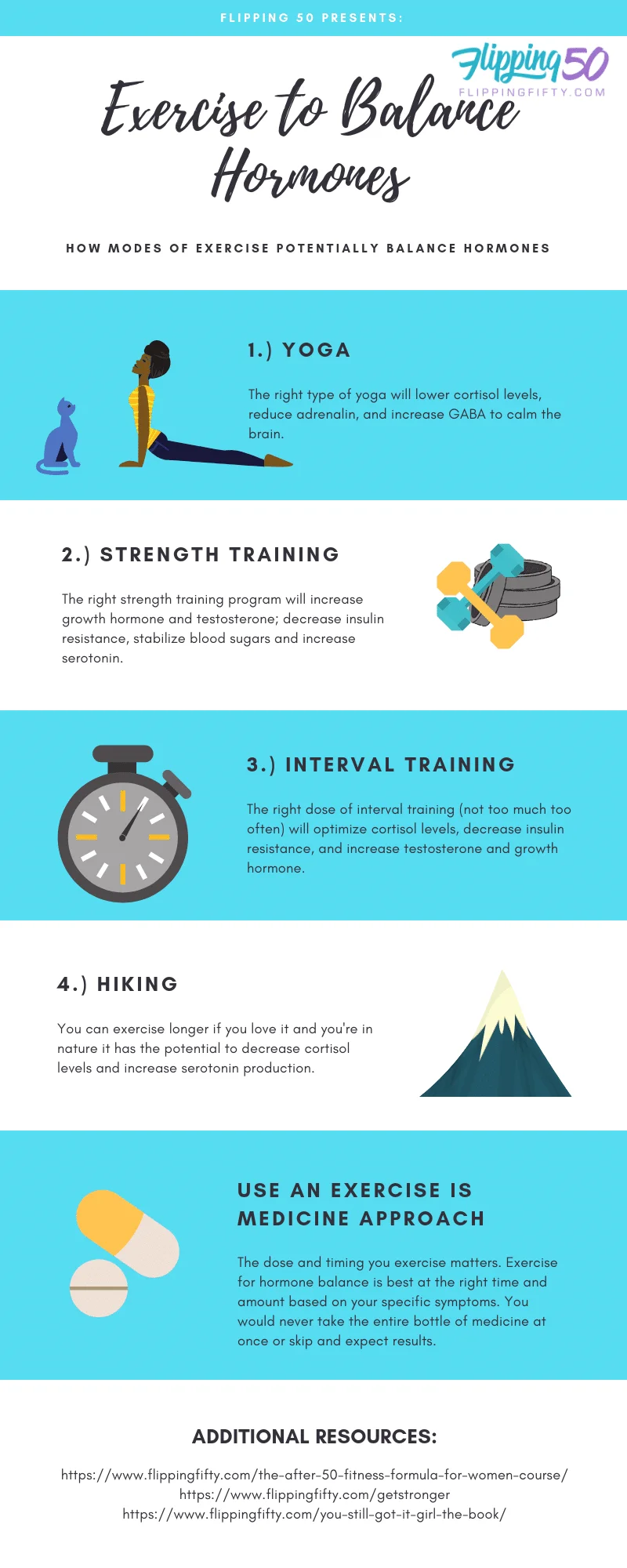
Physical activity plays a vital role in maintaining hormonal balance. Exercise stimulates the release of endorphins, which elevate mood and counteract stress hormones like cortisol. Regular movement also supports the production of anabolic hormones such as testosterone and growth hormone, which promote muscle repair and overall vitality. However, too much high-intensity training without adequate rest can cause cortisol buildup, leading to hormonal imbalances and fatigue. A well-structured exercise routine tailored to hormonal needs can help stabilize energy levels and improve overall health.
Top Daily Exercises to Boost Hormones Naturally
Cardiovascular Workouts: Stimulating Endorphins and Adrenaline
Cardio exercises such as brisk walking, running, swimming, or cycling help increase heart rate and stimulate the release of endorphins, often referred to as “feel-good” hormones. These hormonal surges help combat stress and boost energy, improving mood and mental clarity. It’s important to balance intensity, as excessive high-intensity cardio can raise cortisol levels, which may hinder hormonal balance. Moderate-intensity aerobic workouts performed regularly can enhance adrenal function and support sustained energy.
Strength Training: Enhancing Testosterone and Growth Hormone
Incorporating strength training into your routine promotes the release of testosterone and growth hormone, both essential for muscle growth, fat metabolism, and maintaining energy reserves. Weightlifting, resistance bands, and bodyweight exercises like Pilates build lean muscle, which in turn supports better hormone regulation. It’s beneficial to adjust the intensity according to your hormonal cycle—for example, focusing on higher intensity during the follicular phase when energy is naturally higher, and decreasing load during low energy phases to avoid exhaustion.
Yoga and Stretching: Balancing Cortisol and Insulin
Yoga and gentle stretching exercises offer significant benefits in managing stress hormones such as cortisol while also improving insulin sensitivity. Practices like yin or hatha yoga provide relaxation and restoration, helping to lower cortisol levels and rebalance the endocrine system. Heated yoga or more vigorous styles can be reserved for days when you feel more energized, ideally aligning with phases of the menstrual cycle that support increased activity. This mindful movement helps regulate hormones, reduces menstrual discomfort, and enhances overall wellbeing.
Designing Your Personalized Hormone-Regulating Routine
Optimal Exercise Duration and Frequency for Hormonal Benefits
Creating a balanced workout schedule is key for hormonal health. Aim for consistency by exercising most days of the week, but include at least one or two rest days to allow for recovery. Sessions of 30 to 60 minutes are generally effective without causing excessive fatigue or stress. Overtraining can trigger cortisol release, so tailor exercise volume to your energy levels, especially during phases of the menstrual cycle characterized by naturally lower stamina. Listening to your body will guide how often and how long you should exercise.
Mixing Intensity Levels for Maximum Energy Boost
Incorporating a mix of low, moderate, and high-intensity workouts ensures that your hormones receive balanced stimulation without being overwhelmed. For example, schedule lower intensity activities such as yoga or walking during menstruation and the luteal phase to conserve energy. Conversely, take advantage of the follicular phase to increase intensity with strength training or HIIT sessions when your body is more resilient. This strategic variation helps optimize hormonal rhythms, prevent burnout, and maintain sustained energy throughout the month.
Additional Lifestyle Tips to Complement Your Exercise Routine
Nutrition’s Impact on Hormone Health
Nutrition plays an equally important role in supporting hormone regulation alongside exercise. A balanced diet rich in whole foods, healthy fats, and adequate protein supplies the necessary building blocks for hormone synthesis. Incorporating nutrient-dense foods like leafy greens, nuts, and fatty fish helps stabilize blood sugar and reduce inflammation, which positively influences insulin and cortisol levels. Additionally, staying hydrated and timing meals around workouts can enhance energy and recovery.
Sleep and Stress Management for Hormonal Support
Quality sleep and effective stress management are critical pillars that complement your exercise routine to maintain hormonal balance. Poor sleep disrupts hormones such as cortisol, insulin, and growth hormone, leading to fatigue and energy crashes. Incorporating relaxation techniques, such as meditation or gentle yoga before bed, helps lower stress and supports restorative sleep. Managing daily stress through mindful practices reduces cortisol buildup, ensuring your hormones remain balanced and energy levels remain stable throughout the day.