Start Your Day Calm: Morning Rituals That Combat Work Stress
Understanding Work-Related Stress: Causes and Symptoms
Work-related stress often originates from how we start our mornings. The chaotic first hours frequently snowball into a frantic workday, setting a tone of overwhelm and tension. When you jump immediately into reactive mode without mental preparation, your brain stays in threat-detection mode instead of recognizing available resources. This shift triggers anxiety spirals even before work officially begins, often fueled by biological factors like the cortisol awakening response and psychological triggers such as reminders of deadlines or responsibilities. These initial stressors can manifest physically through increased heart rate, tension, and mental fatigue, alongside emotional symptoms like irritability or difficulty focusing.
The Science Behind Morning Rituals and Stress Reduction
Morning rituals work to counteract stress by interrupting the automatic threat response and fostering intentional mental clarity. Engaging in mindful activities such as deep breathing or grounding exercises signals to the brain that the environment is safe, shifting the nervous system into a calmer state. This practice helps modulate cortisol levels and sets a foundation for emotional resilience throughout the day. Research shows that even brief moments of mindfulness can decrease stress hormones and increase feelings of well-being, making morning routines a powerful preventative tool against the buildup of work-related stress.
Mindful Meditation Practices to Incorporate in the Morning
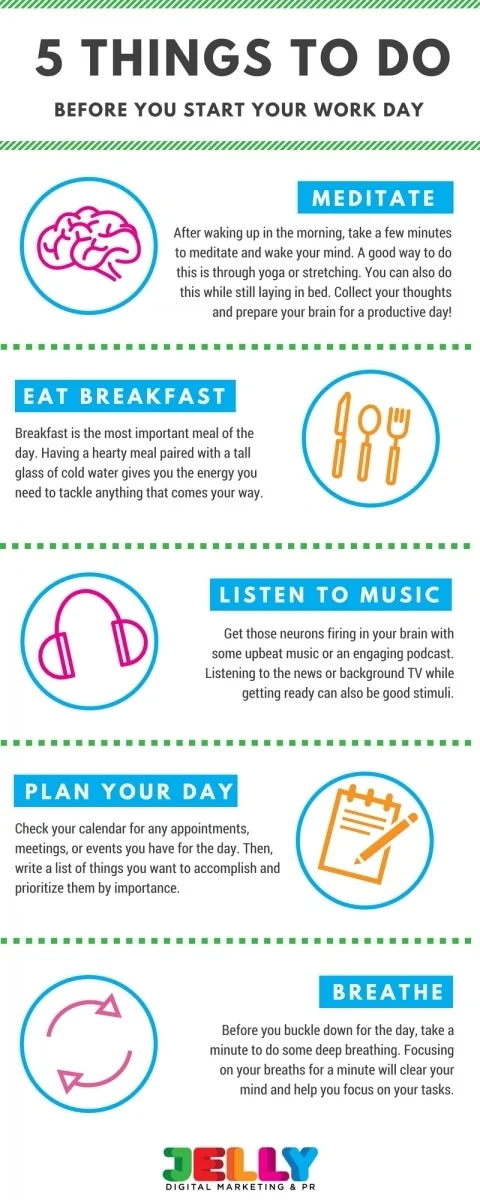
Starting your day with mindful meditation can be transformative. A simple practice involves focusing on breath awareness for three to five minutes, which helps anchor your attention and quiet racing thoughts. Techniques like the box breathing method—inhaling for four counts, holding for four, exhaling for four, and holding again for four—can stabilize the nervous system. Another effective method is the five senses grounding exercise: noticing specific things you see, feel, hear, smell, and taste to reconnect with the present moment. These mindful practices cultivate a peaceful mind and prepare you to respond rather than react to stressors encountered later.
Physical Activity: Stretching and Light Exercise Benefits
Incorporating light physical activity shortly after waking enhances both mental and physical readiness to face the day. Gentle stretching paired with breath awareness not only relieves tension accumulated overnight but also promotes circulation and energy flow. Even short bursts of movement, such as five to ten minutes of light yoga or a brief walk, can elevate mood and reduce cortisol levels. The key is simplicity; focusing on easy, mindful movements rather than complicated routines helps maintain consistency and prevents feelings of overwhelm.
Healthy Breakfast Choices to Boost Mood and Focus
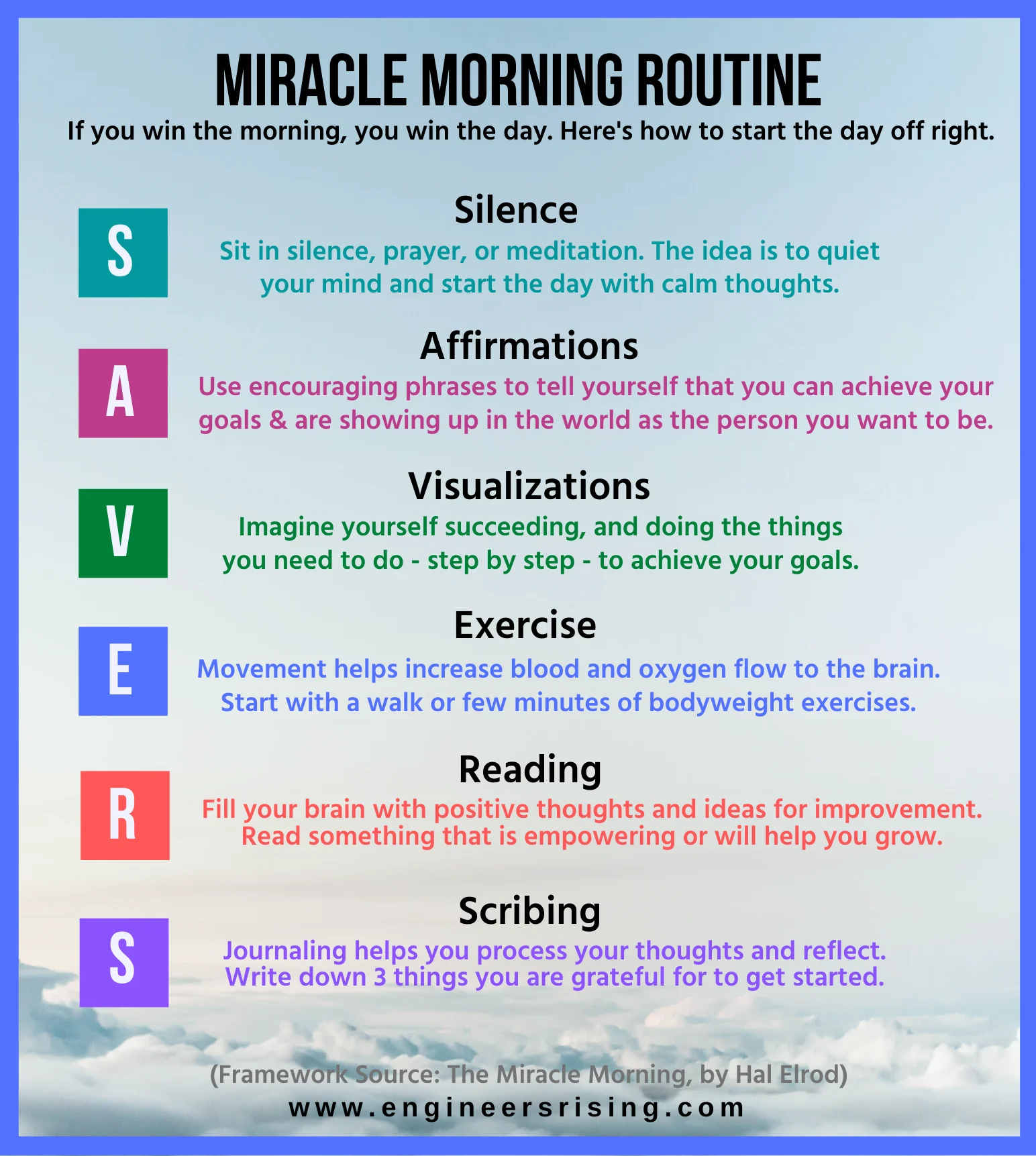
Breakfast provides essential nourishment that supports cognitive function and emotional balance. Consuming a quiet, distraction-free meal allows you to focus on mindful eating, which can enhance digestion and reduce stress. Choosing balanced options rich in protein, healthy fats, and complex carbohydrates stabilizes blood sugar and fosters steady energy levels. This nutritional foundation, combined with cultivating gratitude for the meal itself, helps establish a positive tone that carries through the workday.
Planning and Prioritization Tips Before Starting Work
Before diving into tasks, taking a moment to set clear intentions and prioritize daily goals can greatly reduce feelings of overwhelm. Rather than reacting impulsively to pressing demands, a calm planning phase encourages thoughtful organization. Selecting a single word or phrase to represent your daily intention—a commitment to peace or focus, for example—serves as a mental anchor. Additionally, mentally rehearsing anticipated challenges and envisioning peaceful responses strengthens your resilience to unexpected stressors.
Creating a Positive Environment: Music and Aromatherapy
The atmosphere you create in the morning affects your emotional state profoundly. Listening to calming music or sound therapy as part of your ritual can shift your mood and promote relaxation. Similarly, the gentle use of aromatherapy—like lavender or citrus scents—helps stimulate the senses and create a soothing environment. Integrating these elements harmonizes your surroundings with your intention for a peaceful start, reinforcing calmness before work begins.
Technology Detox: Limiting Screen Time Pre-Work
A common mistake is starting the day by immediately engaging with phones or computers, which exposes you to a flood of emails, notifications, and news that can trigger stress. Instead, delaying screen time until after completing grounding and mindfulness practices can preserve your mental clarity. This intentional pause allows you to build a calm mindset uninfluenced by external demands, making it easier to approach work with composure and focus.
Success Stories: Real-Life Examples of Stress-Reducing Mornings
Many professionals report significant improvements in stress management after adopting mindful morning rituals. One individual described how a brief breathing exercise and gratitude reflection each morning reduced their anxiety before meetings. Another shared that incorporating gentle stretching and a quiet, nourishing breakfast transformed their energy levels and ability to concentrate. These examples illustrate the power of small, consistent changes to morning habits in fostering lasting emotional well-being and productivity at work.
Morning Habits for a Stress-Free Workday
Why Morning Stress Affects Your Entire Workday
The emotions and physiological states experienced in the morning set the tone for the hours ahead. Starting off stressed amplifies cortisol production and skews cognitive processes toward threat detection and reactive behavior. This heightened state can impair decision-making, reduce creativity, and increase irritability. Conversely, a calm start promotes mental flexibility, emotional regulation, and sustained focus, underscoring why managing morning stress is critical for a productive, balanced workday.
Mental Preparation: Affirmations and Visualization Techniques
Affirmations are positive phrases that can reinforce a calm and confident mindset when repeated thoughtfully each morning. Coupled with visualization techniques—where you imagine navigating your day’s challenges with poise—these methods build emotional resilience. By mentally rehearsing a steady response to potential stressors, you prepare your brain to act intentionally instead of reacting impulsively. This practice strengthens your ability to maintain composure during demanding moments at work.
Quick and Effective Breathing Exercises
Breathing exercises are among the fastest ways to reduce tension and center your mind. Techniques like box breathing, with its rhythmic inhale-hold-exhale-hold pattern, help control the autonomic nervous system’s response to stress. Another approach involves taking three deep, conscious breaths whenever you feel overwhelmed throughout the day, reconnecting you to your morning intention and resetting your emotional state. These exercises can be performed anytime, requiring no special equipment.
Organizing Your Workspace Before You Begin
Arranging your work environment in the morning can contribute to a sense of control and reduce cognitive clutter. A tidy desk, minimized distractions, and intentional placement of objects serve as environmental cues to maintain a peaceful mindset. Before starting work, spending a few minutes organizing your space or setting up calming items can anchor your focus and prevent overwhelm as the day progresses.
Setting Intentions and Goals for the Day
Clear intention-setting helps prioritize activities and aligns your mental energy. Instead of scattering focus across numerous tasks, selecting key goals guides your efforts mindfully. Using a single word or phrase as a daily mantra reminds you to return to your center during stressful moments. This practice creates a cognitive framework that supports productive, calm engagement with your responsibilities.
Incorporating Journaling to Manage Emotions
Morning journaling provides an outlet to organize thoughts, reflect on feelings, and foster self-awareness. Writing briefly about what you’re grateful for or noting concerns can lighten mental load and clarify priorities. This intentional expression can prevent anxiety spirals and enhance emotional processing, equipping you with greater calmness as you transition into work tasks.
Choosing the Right Morning Beverage for Stress Relief
Starting the day with a hydrating beverage, such as a glass of water, supports physical health and mental clarity. Avoiding overly caffeinated drinks early in the morning can prevent jitteriness and anxiety spikes. Herbal teas or simply water with mindful sipping allows you to engage your senses and anchor your focus. This small ritual combines hydration with grounding, promoting a calm approach to the day ahead.
Adjusting Your Wake-Up Time for Better Mental Health
Waking up with sufficient time to engage in calming rituals reduces morning rush and the associated stress. Even modestly shifting wake-up times earlier to accommodate mindful stretching, meditation, or a peaceful breakfast can make a substantial difference in emotional well-being. Prioritizing rest and a relaxed morning pace supports better stress management across the day.
Conclusion: Building a Morning Routine That Works for You
Effective morning rituals are highly personal and should fit your lifestyle and preferences. The goal is to cultivate calmness through simple, consistent practices that prepare your mind and body before the workday begins. Experiment with combining movement, mindfulness, nourishment, and mental preparation while avoiding common pitfalls like immediate screen engagement or overwhelming routines. Over time, these habits foster resilience, focus, and a sustained peaceful mindset in the face of daily challenges.
Transform Your Mornings to Slash Work Stress
The Impact of Stress on Productivity and Well-Being
Chronic stress not only hampers productivity but also compromises overall well-being. When stress accumulates, energy depletes, sleep quality suffers, and motivation declines. Recognizing the impact of morning stress on these factors highlights the importance of proactive morning rituals. Managing stress early in the day helps maintain mental clarity, emotional balance, and sustained engagement with work tasks.
Identifying Personal Stress Triggers Each Morning
Understanding what prompts stress at the start of your day allows for targeted coping strategies. Whether it’s rushing, digital overload, or anticipating difficult meetings, recognizing these triggers creates an opportunity to modify routines accordingly. Reflecting on morning emotions and reactions can reveal patterns that, once acknowledged, become easier to manage through tailored rituals.
Ritual #1: Gentle Movement and Yoga
Gentle physical activity such as stretching or beginner-level yoga relieves muscle tension and fosters mindful body awareness. These movements promote circulation and calm the nervous system. Importantly, focusing on simple, accessible exercises rather than complex poses encourages consistent practice. This ritual serves as a bridge between sleep and wakefulness, signaling readiness to engage with the day peacefully.
Ritual #2: Mindfulness and Breathing Techniques
Mindfulness practices, particularly breath-centered ones, reduce cortisol peaks and enhance emotional regulation. Techniques like box breathing or grounding with the five senses reorient attention to the present moment, interrupting stress cycles. Incorporating these rituals regularly builds resilience and equips you to maintain equilibrium amid daily demands.
Ritual #3: Nourishment Through Balanced Breakfasts
A balanced breakfast supports cognitive function and stabilizes mood. Eating mindfully without distractions emphasizes nourishment and satisfaction, rather than rushing through the meal. Choosing whole foods with protein, fiber, and healthy fats avoids blood sugar crashes that can exacerbate stress. This ritual nurtures both body and mind, laying a foundation for sustained calm.
Time-Management Strategies to Reduce Morning Anxiety
Careful planning alleviates the pressure of a looming to-do list. Breaking tasks into manageable steps and setting realistic expectations lessens anxiety triggered by workload. Integrating brief mental rehearsals of how you will face challenges creates preparedness and confidence. This approach turns the morning from a source of dread into an opportunity for intentional action.
Creating a Stress-Reducing Morning Playlist
Music profoundly influences mood and arousal levels. Crafting a morning playlist with gentle, soothing tracks helps establish a calm atmosphere. Listening to familiar, pleasant tunes while engaging in morning rituals can elevate mood and create positive associations with the start of the day. This sensory cue becomes a subtle but effective anchor for peacefulness.
The Role of Natural Light in Morning Stress Relief
Exposure to natural light early in the day regulates circadian rhythms and supports hormonal balance ideal for alertness and mood stabilization. Opening curtains or stepping outside shortly after waking helps reset your internal clock and reduce cortisol imbalance. Incorporating natural light into morning routines enhances energy and reduces the physiological stress response.
Tips for Sustaining Morning Rituals Long-Term
Consistency is essential for meaningful benefits from morning rituals. Prioritizing simplicity and enjoyment over perfection ensures sustainability. Using environmental triggers like a calming desktop background or setting gentle calendar reminders reinforces habits. Remember, cultivating a peaceful mind is about responding intentionally rather than reacting automatically. Gradual, daily commitment leads to lasting transformations in managing work-related stress.