Understanding Cardio and Its Role in Weight Loss
What is Cardio Exercise?
Cardio exercise, short for cardiovascular exercise, refers to any activity that raises your heart rate and keeps it elevated for a sustained period. This type of exercise increases the efficiency of your heart, lungs, and circulatory system by improving oxygen delivery throughout your body. Popular examples include walking, jogging, cycling, and swimming, all of which can be adapted for beginners and performed at home with minimal equipment. The main goal of cardio is to increase your energy expenditure, which plays a vital role in creating a calorie deficit necessary for weight loss.
How Cardio Affects Fat Burning
When you engage in cardio exercise, your body increases its energy demands. If you consume fewer calories than you burn—known as creating a calorie deficit—your body will use stored fat as a source of energy. This process results in fat loss over time. However, fat loss isn’t instantly visible on the scale because total weight includes muscles, bones, water, and fat. Cardio helps by increasing your total daily energy expenditure (TDEE), which depends on your base metabolic rate (BMR) plus your activity levels. By combining cardio with proper nutrition and strength training, fat loss becomes more efficient and sustainable.
Benefits of Cardio for Beginners
For beginners, cardio offers multiple benefits beyond fat burning. It improves cardiovascular health, boosts mood through the release of endorphins, and enhances stamina and endurance. Starting with low-impact cardio exercises such as walking or using an elliptical machine helps reduce the risk of injury while allowing your body to adapt gradually. Additionally, cardio can be easily modified to match your fitness level, making it an accessible and motivating way to kickstart your weight loss journey at home.
Assessing Your Starting Point
Evaluating Your Fitness Level
Before beginning any cardio program, it’s important to evaluate your current fitness level. This self-assessment can be as simple as noting how long you can comfortably walk or perform a basic exercise like bodyweight squats without excessive fatigue. Understanding where you stand helps you choose exercises that fit your ability and prevents overexertion, which is a common cause for early dropout. If available, using professional tools like a body composition scan can provide accurate measurements of your BMR and overall fitness status, enabling a more tailored program.
Setting Realistic Weight Loss Goals
Weight loss is a gradual process, and setting realistic goals is key to maintaining motivation. Rather than focusing solely on the number on the scale, aim to improve your health markers and overall fat loss. Remember that weight fluctuates due to factors like muscle gain and water retention, so allow yourself time to see meaningful results. A practical approach is to set achievable weekly or monthly targets that account for your lifestyle, fitness level, and nutrition habits. This roadmap ensures a sustainable journey rather than quick fixes that often lead to burnout.
Gathering Essential Equipment for Home Workouts
One of the advantages of cardio is that many exercises require minimal or no equipment, making home workouts convenient and affordable. Starting with simple tools like a jump rope or a sturdy chair for step exercises can enhance your routine. For low-impact options, an elliptical or stationary bike, if accessible, provides a full-body workout. Additionally, having a yoga mat for floor exercises and comfortable workout shoes supports your exercise practice safely. Gathering these essentials ahead of time prepares you to stick with your program without interruptions.
Designing Your Beginner-Friendly Cardio Program
Choosing Low-Impact Cardio Exercises
In the beginning, prioritizing low-impact cardio exercises helps protect your joints and reduces injury risk. Walking is an excellent starting point because it can be done anywhere, requires no equipment, and allows you to control intensity by adjusting speed and duration. The elliptical machine is another superb choice as it engages multiple muscle groups while providing a smooth motion that minimizes joint stress. If you prefer not to use equipment, bodyweight circuits incorporating movements like jumping jacks, step-out burpees, and light jogging in place are effective alternatives that boost heart rate safely.
Structuring the Weekly Workout Schedule
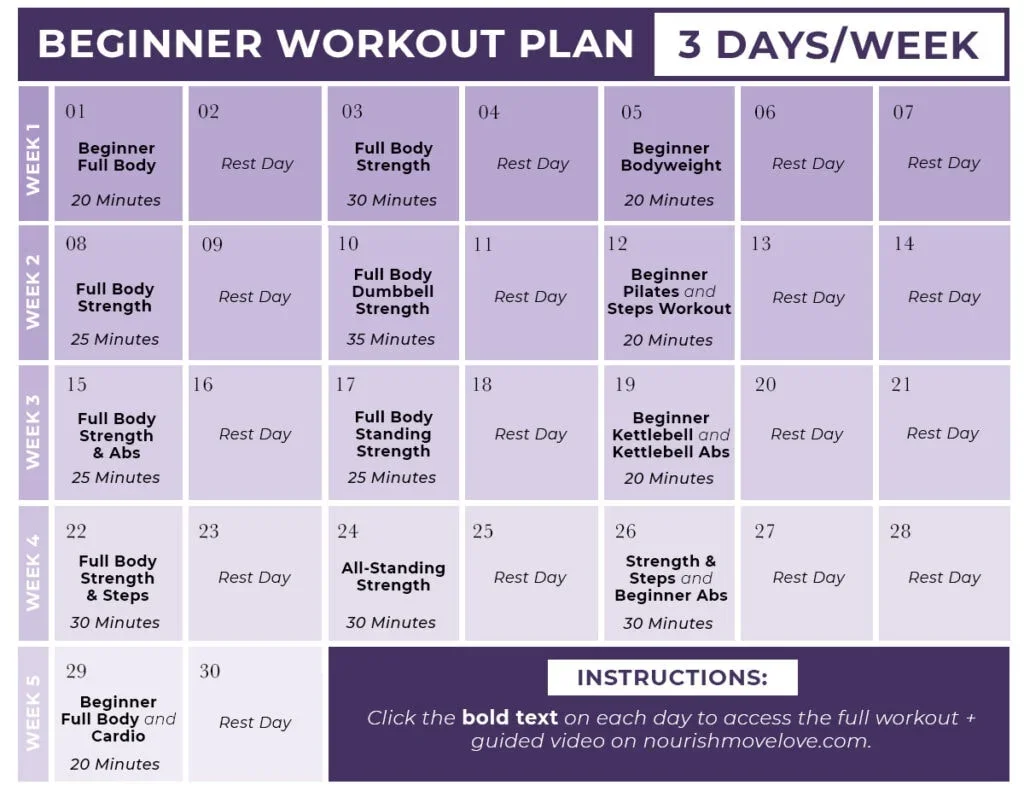
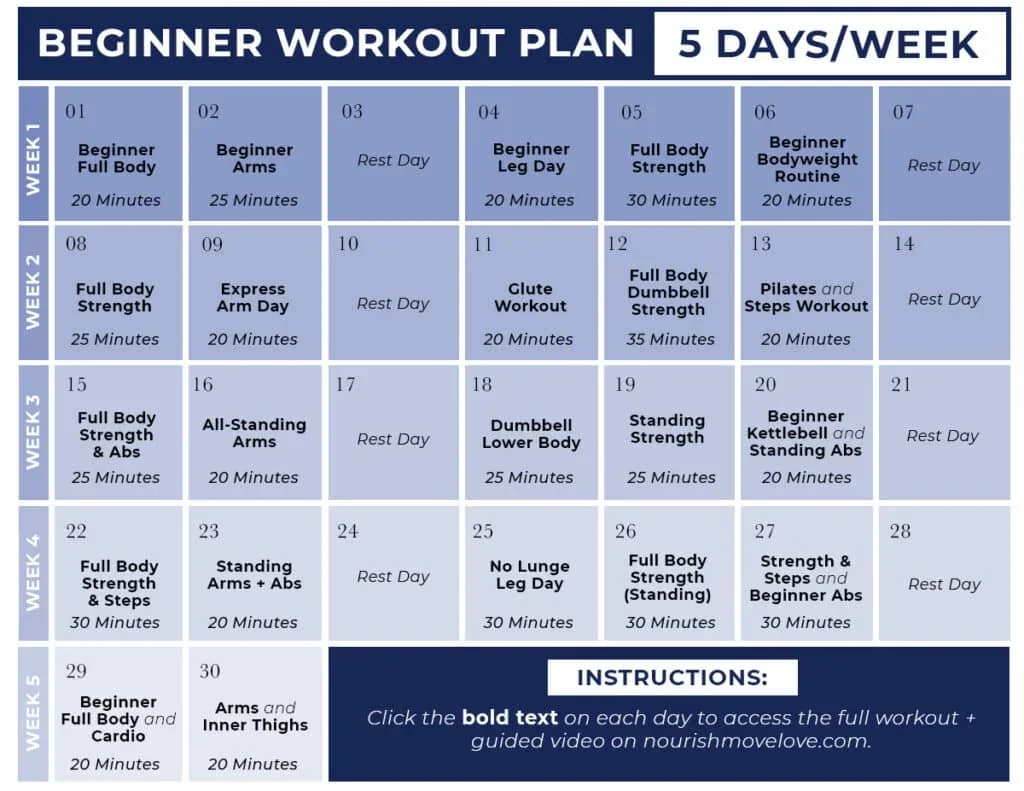
Creating a balanced weekly schedule makes your cardio program manageable and sustainable. Aim to include three to four cardio sessions per week, lasting between 20 to 40 minutes each. You can break these sessions into shorter intervals, such as two 10-minute brisk walks, if that fits better with your daily routine. To prevent burnout and support fat loss, alternate cardio days with light strength training or flexibility work. This balance not only enhances fitness gains but also reduces the likelihood of injury by allowing adequate recovery.
Incorporating Warm-up and Cool-down Routines
Warming up before your cardio session prepares your body by gradually increasing heart rate and loosening muscles, reducing injury risk. Start with five minutes of light activity such as slow walking or gentle dynamic stretches. After your workout, a proper cool-down is equally important. Spend several minutes walking at a reduced pace followed by static stretches to help muscles relax and improve flexibility. Incorporating these routines into every session promotes better performance and faster recovery.
Tracking Progress and Staying Motivated
Using Simple Metrics to Monitor Improvement
Keeping track of your progress encourages consistency and highlights improvements beyond just the scale. Simple measures such as increased workout duration, higher intensity, or the ability to complete more repetitions in a circuit can signal better fitness. Pay attention to how you feel during and after exercise, noting reduced breathlessness or faster recovery times. Using apps or journals to record your sessions provides concrete data, making motivation easier to maintain as you witness tangible advancements.
Tips for Maintaining Consistency
Consistency is the cornerstone of any successful weight loss program. Finding exercises you genuinely enjoy increases your likelihood of sticking with the routine. Incorporate variety by mixing different cardio forms like walking, jumping rope, or bodyweight circuits to keep workouts interesting. Stay hydrated to support your overall health, though remember water alone won’t reduce calorie intake. Setting a regular schedule and allowing flexibility to adjust workouts to your daily energy levels helps prevent burnout. Most importantly, listen to your body and avoid pushing through pain or poor form, which can lead to injury and setbacks.
Adjusting Your Program as You Advance
As your fitness improves, it’s essential to progressively challenge yourself to continue seeing results. This might mean increasing workout intensity by adding incline to treadmill sessions, lengthening exercise duration, or incorporating interval training on an elliptical machine. If workouts become too easy, try incorporating strength training days to build muscle, which supports further fat loss. Adjusting your cardio program to match your advancing ability keeps your routine effective and engaging, preventing plateaus and ensuring long-term success.