Introduction to Weekly Meal Prep Stations
Benefits of Organized Meal Prep
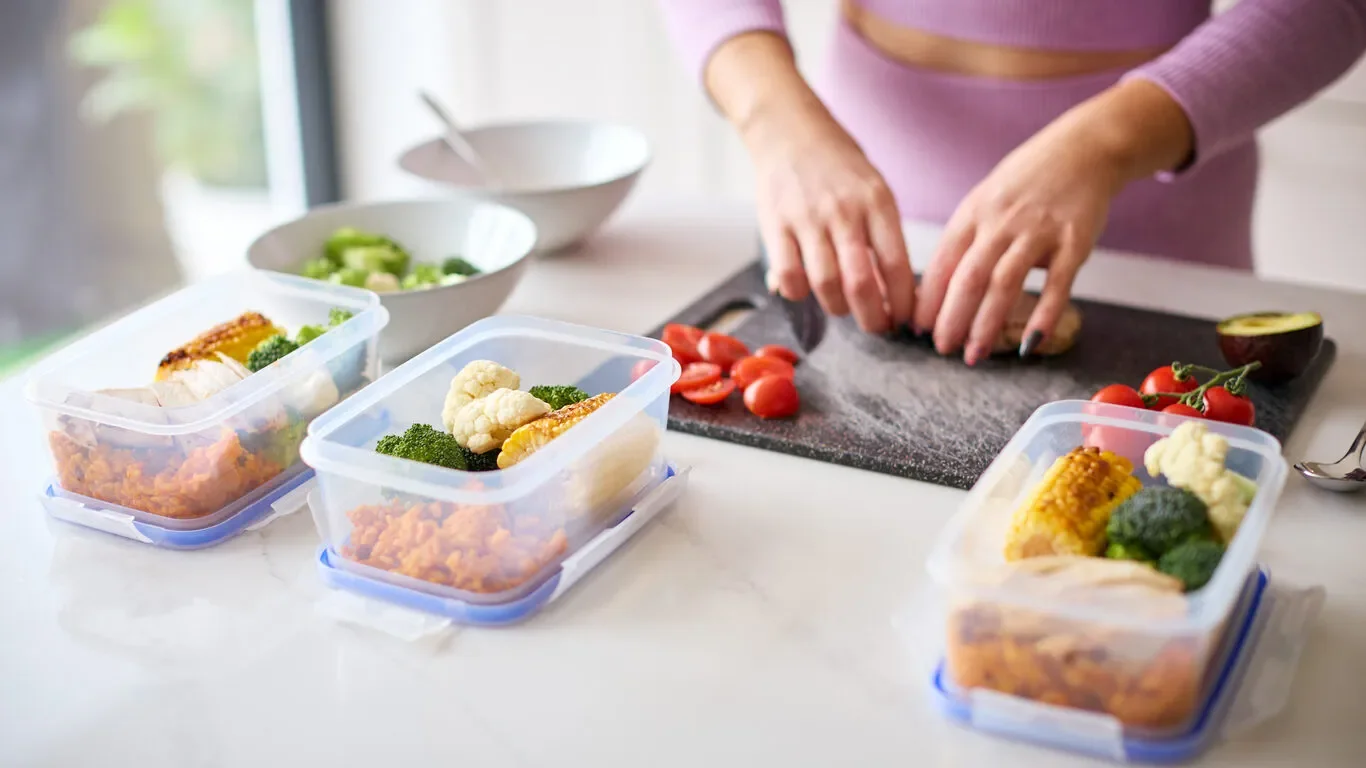
Creating a dedicated weekly meal prep station in your kitchen brings a new level of efficiency and ease to healthy eating. When everything you need is within easy reach and organized for the task, meal prep becomes less of a chore and more of an enjoyable routine. It helps streamline cooking, minimizes time spent scrambling for tools, and reduces the risk of cross-contamination or kitchen clutter. This kind of setup encourages consistency, making it easier to maintain nutritious eating habits throughout busy weeks.
Key Components of a Meal Prep Station
A well-designed meal prep station blends functionality with order. At its core, it includes designated areas for chopping, mixing, storing ingredients, and disposing of scraps. Having proper cutting boards, sharp knives, and organized containers nearby helps keep the flow smooth. Additionally, creating a “landing zone” for prepped ingredients prevents overcrowding on your workspace, and tools like scrap containers ensure mess stays to a minimum. All these elements work together to create an inviting and efficient kitchen space tailored for meal preparation.
Choosing the Perfect Spot in Your Kitchen
Assessing Kitchen Space and Layout
Finding the right spot for your meal prep station starts with understanding your kitchen’s layout and how you move while cooking. Ideally, this area should be close to your main cooking zone but still offer enough counter space to spread out ingredients and tools. If you have a kitchen island or a dedicated counter near the fridge and sink, these can be ideal locations. The key is selecting a place where you won’t have to constantly backtrack and where you can comfortably stand for longer periods.
Lighting and Electrical Considerations
Good lighting is often overlooked but essential in a prep station. Bright, even lighting ensures you can safely and accurately cut, measure, and assemble your ingredients. Natural light is a bonus when available, but adjustable overhead lights or under-cabinet fixtures work well too. Electrical outlets nearby come in handy for small appliances like food processors, blenders, or electric knives, so consider this when selecting your spot. Having convenient access to power can eliminate clutter and improve workflow.
Essential Tools and Equipment
Storage Containers and Labels
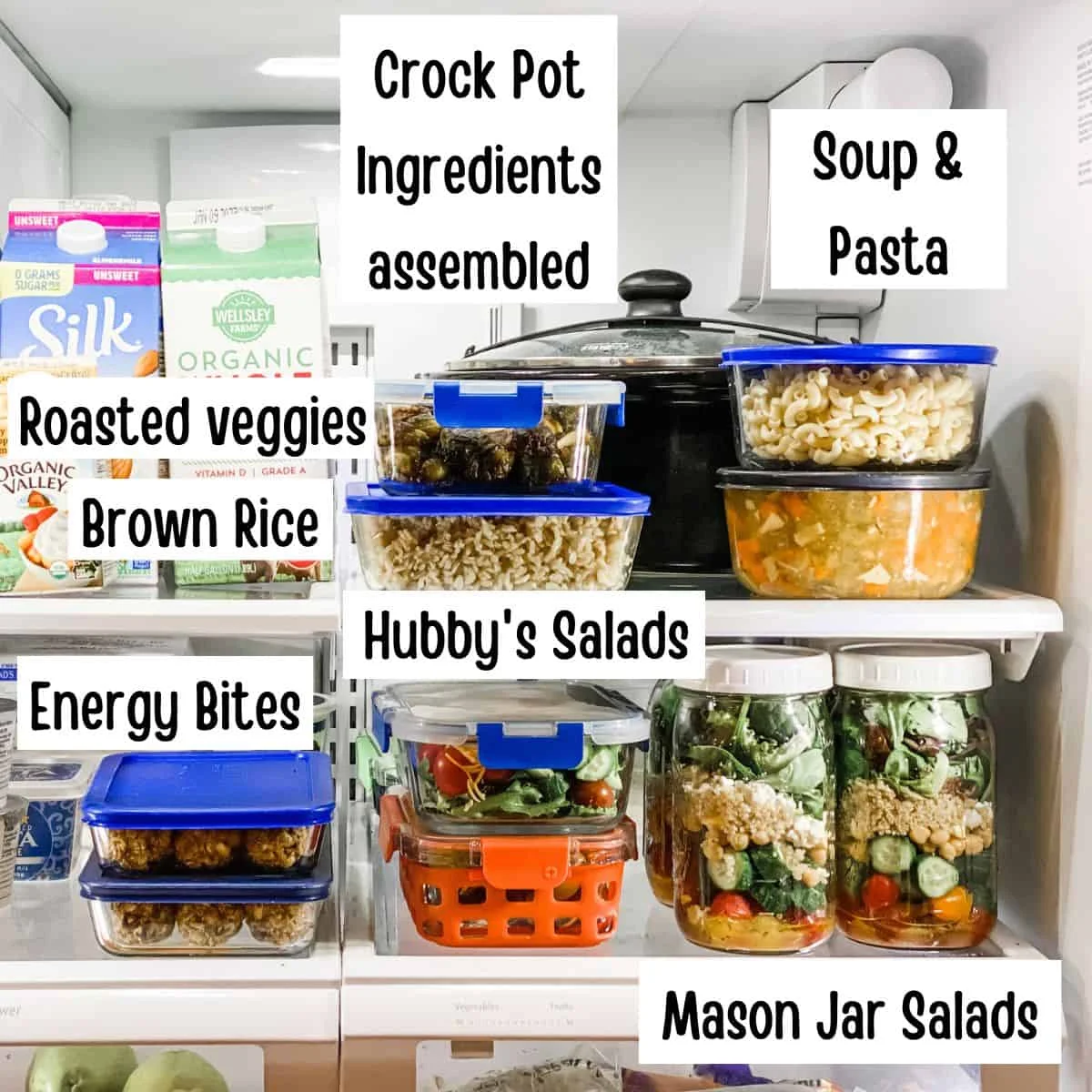
Clear, airtight storage containers are a game-changer for meal prep. They help keep ingredients fresh and visible, allowing you to quickly identify what you need without opening each container. Using stackable containers maximizes pantry and fridge space, making organization more manageable. Adding labels can further streamline your process, especially when prepping several dishes at once, helping you stay on top of your weekly meals.
Cutting Boards, Knives, and Appliances
Having the right cutting boards and knives is crucial for efficiency and safety. For example, using a plastic cutting board set inside a rimmed half-sheet pan is specially helpful when prepping raw chicken, as it catches drips and reduces cross-contamination risk. Knives should be sharp and appropriate for the task—fillet knives for fish, poultry shears for chicken, and sturdy chef’s knives for vegetables. Keeping these tools within easy reach helps maintain a smooth workflow. Small appliances like food processors or blenders can speed up chopping and mixing, but ensure you have space and power supply for them.
Organizational Accessories for Efficiency
Accessories such as scrap containers or stainless steel hotel pans to collect peelings and waste can keep your cutting board clean and the workspace uncluttered. Wet towels underneath cutting boards prevent slipping, adding a layer of safety. Bench scrapers are fantastic for transferring chopped items off the board efficiently. Even simple items like paper towels used to anchor boards or hold knives during messy prep tasks can make a significant difference in maintaining a clean and organized station.
Designing Your Meal Prep Workflow
Step-by-Step Setup Process
Designing a workflow that feels natural and efficient can transform your meal prep days. Start by clearing and cleaning your chosen prep area. Arrange your tools and appliances based on the sequence of use—from washing and chopping to mixing and storing. Prepare a landing zone with an empty tray or bowl to collect prepped ingredients. Keep scrap containers close by so you can quickly discard peelings or unusable parts without having to step away. Setting up this flow before you begin saves time and prevents frustrating back-and-forth movement.
Maximizing Counter Space
Counter space is a precious commodity in many kitchens. To maximize it, avoid overcrowding your prep station with unnecessary items. Only keep frequently used tools and ingredients out, and store others until needed. Utilize vertical space with racks or shelves for containers and appliances. Using stackable storage containers helps free up room, and a well-organized pantry ensures you can grab essentials quickly without tracks through multiple cabinets. A tidy, spacious work surface makes meal prep more enjoyable and efficient.
Healthy Meal Planning Tips to Complement Your Station
Batch Cooking and Balanced Nutrition
Batch cooking is one of the most effective ways to make your meal prep efforts pay off throughout the week. Preparing large quantities of grains, proteins, and vegetables in one go allows you to mix and match components for balanced meals. Focus on variety, balancing carbohydrates, proteins, and healthy fats to keep meals interesting and nutritious. This approach also encourages mindful choices and helps reduce last-minute decisions that may lead to less healthy options.
Incorporating Variety and Seasonal Ingredients
One way to keep meals exciting is to rotate seasonal ingredients into your plans. Seasonal produce not only tastes better but often comes at a lower cost and supports sustainable eating habits. Incorporate different vegetables, fruits, and whole grains based on the time of year. This practice also helps diversify the nutrients you consume. Planning around your pantry staples mixed with fresh, seasonal finds creates a harmonious balance that supports both flavor and health goals.
Maintenance and Cleaning Strategies
Daily and Weekly Routines
Keeping your meal prep station clean and organized requires regular upkeep. Adopting daily “clean as you go” habits, such as wiping down surfaces after each task and emptying scrap containers, prevents buildup of clutter and mess. Weekly routines should include a more thorough cleanup, such as wiping down shelves, checking pantry expiry dates, and reorganizing containers. This continual maintenance ensures your station remains inviting and efficient, ready to support your healthy cooking habits.
Sustainable Practices for a Greener Kitchen
Sustainability can easily be woven into your meal prep routine. Use scrap containers to separate compostable vegetable peelings from general waste, supporting eco-friendly disposal methods. Selecting reusable storage containers over single-use plastics reduces waste, and buying ingredients in bulk can minimize packaging. Organizing your pantry and freezer effectively also reduces food spoilage and waste. Small changes in your meal prep station setup can contribute to a greener, more sustainable kitchen that aligns with mindful eating practices.