Introduction to Budget-Friendly Trekking in the Andes
Why Choose the Andes for Your First Multi-Day Trek?
The Andes mountain range offers a spectacular blend of natural beauty, cultural heritage, and adventure that makes it a top choice for first-time multi-day trekkers. The region is home to some of the most iconic trails, featuring diverse landscapes from soaring peaks and glaciers to vibrant mountain villages. Despite its reputation for being challenging, the Andes can be navigated successfully by novices with the right approach and planning, making it a rewarding destination to start your trekking journey. By choosing the Andes, you immerse yourself in breathtaking scenery and unique cultural experiences, all while testing your endurance and self-sufficiency in nature.
Common Challenges for Novice Trekkers and How to Overcome Them
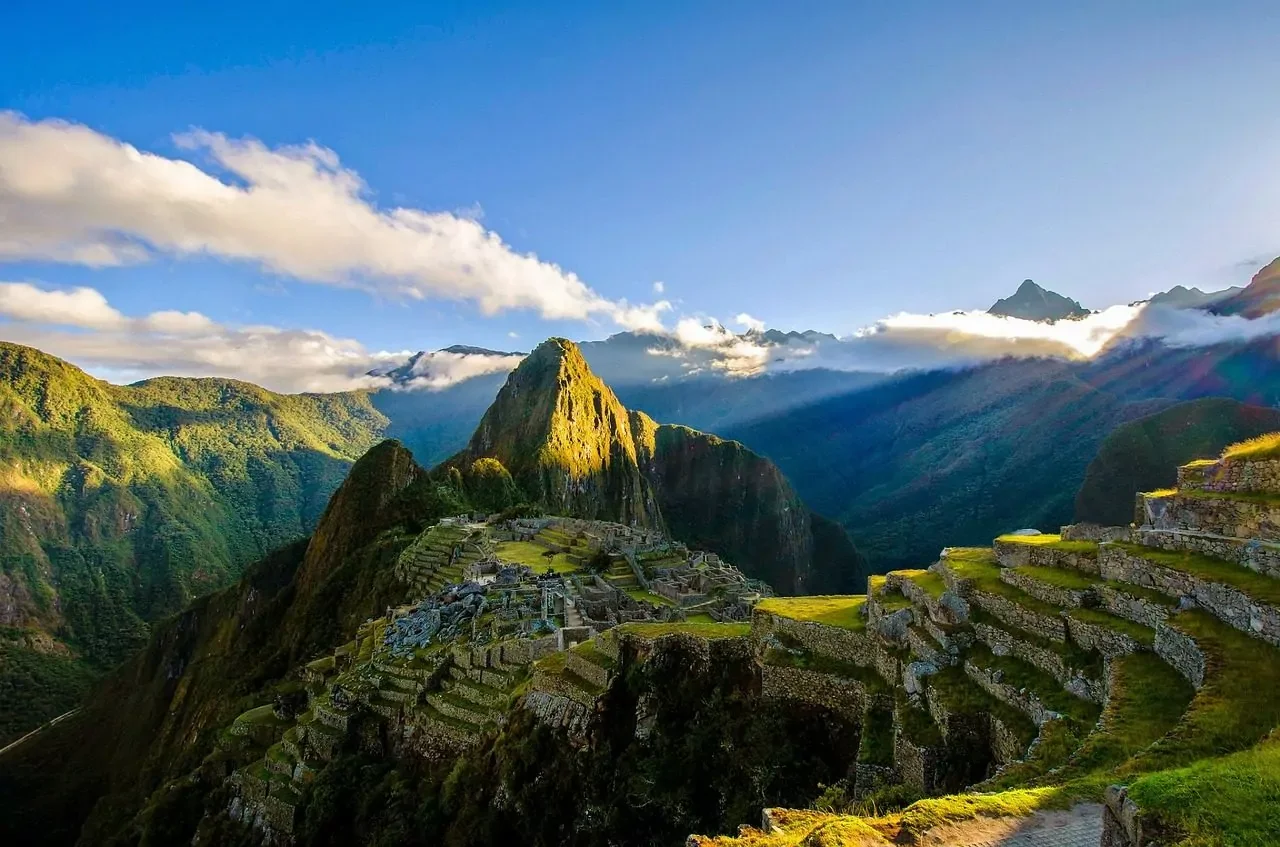
Embarking on a trek in the Andes without prior experience comes with several challenges. One major obstacle is the high altitude, with places like Cusco and Rainbow Mountain sitting well above 3,000 meters. Altitude sickness can cause headaches, fatigue, and nausea, but careful acclimatisation can help manage these symptoms. Booking campsites can also be confusing due to the involvement of multiple companies and outdated online information, which often frustrates new trekkers. Additionally, unpredictable weather conditions and the remoteness of many trails require good preparation and a mindset ready for solitude and self-reliance. Overcoming these hurdles involves detailed research, physical preparation, and using reliable resources for bookings and safety guidance.
Step 1: Researching the Best Trekking Routes for Beginners
Top Budget-Friendly Trails in the Andes
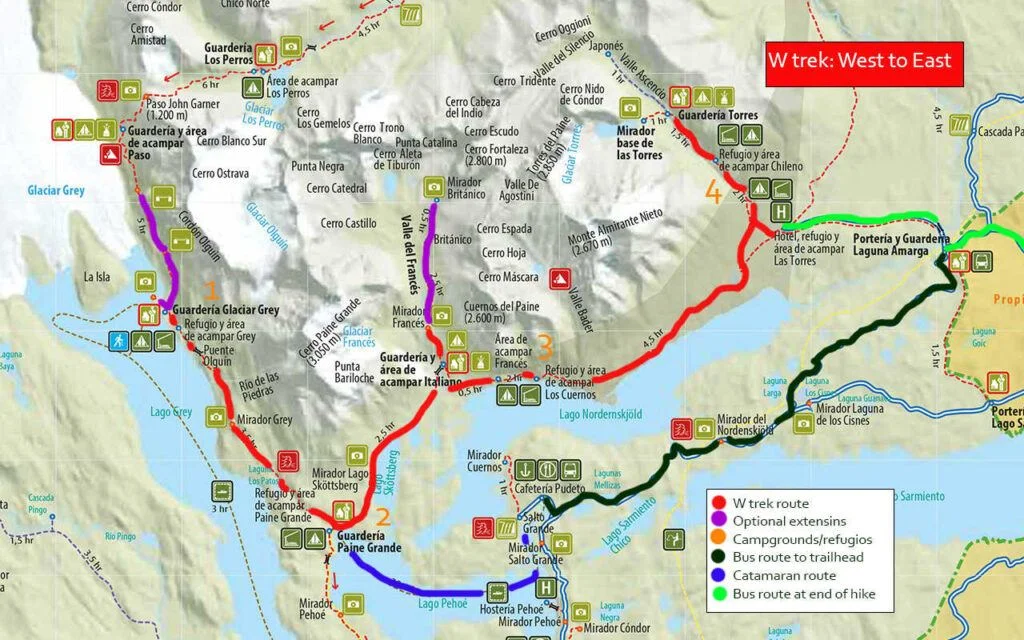
When starting out, it’s important to pick routes that are manageable yet rewarding. The Torres del Paine W trek is an excellent option for budget-conscious beginners due to its well-established infrastructure and diverse scenery. It can be hiked independently with bookings made through the official Torres Hike website, which saves unnecessary expenses on guided tours. Other beginner-friendly trails include lower altitude routes around Cusco and accessible treks in regions like Huaraz. These trails usually require less technical experience and allow trekkers to build stamina gradually while enjoying stunning views.
Seasonal Considerations and Weather Patterns
The timing of your trek affects both your experience and safety. The dry winter season from July to August is ideal for many Andean treks, providing clearer skies and more predictable trail conditions. Conversely, traveling during the wet season from October to April can pose difficult challenges such as slippery trails, heavy rain, and cloud cover that obscures views. Weather in the mountains can change quickly, so it’s vital to monitor forecasts and prepare for cold nights and sudden shifts in temperature. Planning your route for the favorable season maximizes your chances of a successful and enjoyable trek.
Step 2: Preparing Your Budget
Essential Expenses to Account For
Creating a realistic budget means including key costs like transportation to and from the trailheads, park entry fees, accommodation costs, food, and emergency supplies. For example, flights between Lima and Cusco are recommended over lengthy bus rides to save time and energy. In Torres del Paine, park entry fees of around $50 USD help maintain the environment and are mandatory. Camping equipment rental is an affordable alternative to buying gear, especially in places like Puerto Natales. By mapping out these fundamental expenses ahead of time, you avoid last-minute surprises that can derail your budget.
Cost-Cutting Tips Without Compromising Safety
Saving money is possible without sacrificing safety or comfort. Instead of booking costly guided tours, consider self-guided treks where you control your pace and expenses. Book campsites and refugios directly through official websites like Torres Hike to avoid third-party fees. Flying instead of taking long buses reduces fatigue and potential health risks. Sharing accommodations or choosing basic campgrounds keeps costs down while still offering shelter and necessary facilities. Importantly, never compromise on essential safety gear or travel insurance covering medical evacuation—these are investments in your well-being that should never be overlooked.
Step 3: Gear and Packing Smartly
Must-Have Budget Gear for Beginners
Selecting the right gear is crucial for comfort and safety on the trail, but it’s possible to assemble a functional kit without overspending. Essential items include sturdy hiking boots already broken in through practice walks, layered clothing suitable for variable climates, a quality sleeping bag, and a lightweight tent if camping. Renting equipment locally can cut costs considerably. It is also wise to carry a first aid kit and a Personal Locator Beacon (PLB) or similar device for emergencies, especially in remote areas. Preparing gear thoughtfully ensures you are well-equipped without unnecessary extras weighing you down or inflating your budget.
How to Avoid Overpacking and Save Money
Overpacking is a common rookie mistake that can slow you down and increase fatigue. Focus on packing versatile clothing that can be layered and dried quickly. Limit food to lightweight, high-nutrition options that suit the duration of your trek. Leave bulky items or non-essential luxuries at home, and plan to resupply food at local villages if possible. Strategically leaving heavy backpacks at ranger stations before steep elevation sections reduces strain and makes difficult parts more manageable. By adopting a minimalist approach, you reduce costs related to excess gear and enhance your trekking experience.
Step 4: Physical and Mental Preparation
Basic Fitness Tips for First-Time Trekkers
Physical fitness plays a significant role in enjoying your trek and avoiding injury. Begin training weeks or months before your trip by doing hikes or long walks with a loaded backpack to build endurance and strengthen muscles. Aim for practice hikes of around 18 kilometers to simulate daily distances. Cardiovascular conditioning through running, cycling, or swimming helps improve stamina. Mental preparation is just as vital—accepting that the trek will challenge you physically and emotionally allows you to adapt better to hardships like altitude effects and weather difficulties.
Importance of Altitude Acclimatization and How to Achieve It
Altitude sickness is one of the most common ailments for trekkers in the Andes. To reduce risk, it’s essential to acclimatise slowly by planning your itinerary with gradual elevation gains and rest days. Spending time at intermediate altitudes, such as in Cusco or other highland towns, allows your body to adjust before pushing higher. Hydration, avoiding alcohol, and eating well also support acclimatisation. Symptoms like headaches or dizziness should not be ignored; descending to lower altitudes for recovery is sometimes necessary. Being patient and listening to your body is key to a safe trekking experience.
Step 5: Navigating and Safety Tips
Using Maps and GPS Effectively
Reliable navigation prevents getting lost and helps you stay on schedule. Carry detailed maps and download GPS tracks from trusted sources before your trek. Plenty of free and paid apps allow offline GPS use, which is critical as mobile connectivity is often limited in the Andes. Familiarize yourself with the route and key landmarks ahead of time. Checking trail markers regularly keeps you oriented. Combining traditional map reading with modern technology offers the best assurance of safe navigation for beginners.
Handling Emergencies on a Budget
Emergencies can happen even on well-planned trips, so preparation is essential. Carry a compact but comprehensive first aid kit and know basic mountain survival and first aid procedures. A Personal Locator Beacon (PLB) or satellite messenger device is invaluable in remote areas for contacting rescue services. Ensure your travel insurance covers medical evacuation to avoid exorbitant costs if assistance is needed. Keeping your itinerary shared with someone back home adds an extra safety layer. Planning for emergencies does not have to be expensive but requires thoughtful, proactive steps.
Step 6: Food and Water Management
Planning Affordable, Nutritious Meals
Nutrition fuels your trekking performance and recovery. Opt for lightweight, calorie-dense foods like nuts, dried fruits, energy bars, and dehydrated meals that are easy to prepare. Purchasing ingredients locally reduces costs and allows you to experience regional cuisine, often healthier and fresher than packaged options. Budget about $11 USD per day per person for food, which is achievable by cooking your own meals at campsites or refugios. Avoid overspending on processed or imported foods, focusing on simplicity and practicality instead.
Safe Water Practices in the Andes
Access to clean water is vital to prevent illness. Carry a reliable water filtration system or purification tablets as many natural water sources contain bacteria or parasites. If boiling water is possible, this is an effective purification method. Always fill up at official campsites or ranger stations where water is known to be safe. Staying hydrated also helps with altitude acclimatisation and energy levels. Prioritizing safe water consumption saves money on bottled water and protects your health during the trek.
Step 7: Cultural Etiquette and Environmental Responsibility
Respecting Local Communities on a Budget Trek
Trekking in the Andes often involves passing through indigenous villages and rural towns with rich cultural traditions. Engage respectfully by learning common greetings, supporting local businesses, and understanding regional customs. Small gestures like buying souvenirs directly from artisans or hiring local guides not only enrich your experience but contribute to community welfare. Keeping an open mind and showing appreciation for cultural differences makes your budget trek both meaningful and responsible.
Practicing Leave No Trace Principles
Preserving the natural beauty of the Andes is essential for future trekkers and the environment. Adhering to Leave No Trace principles means packing out all trash, staying on marked trails, minimizing campfire impact, and respecting wildlife. Paying park entry fees supports conservation efforts. Avoid disturbing vegetation and use designated restroom facilities or follow proper waste disposal guidelines. Responsible trekking ensures that these pristine landscapes remain intact and vibrant for generations to come.
Conclusion: Making Your Andes Trek a Memorable yet Affordable Adventure
Planning a budget-friendly multi-day trek in the Andes without prior experience is entirely achievable with careful research, preparation, and respect for the environment. By selecting suitable trails, budgeting wisely, packing smart, and focusing on physical and mental readiness, you set yourself up for a safe and enriching adventure. Incorporating navigation skills, emergency preparedness, and cultural sensitivity further enhances the journey. With patience and thoughtful planning, your trek through the majestic Andes will not only be memorable but also a testament to your capability and resilience as a novice trekker.