Understanding Minimalist Living in a Small Apartment
Defining Minimalism: More Than Just Aesthetic
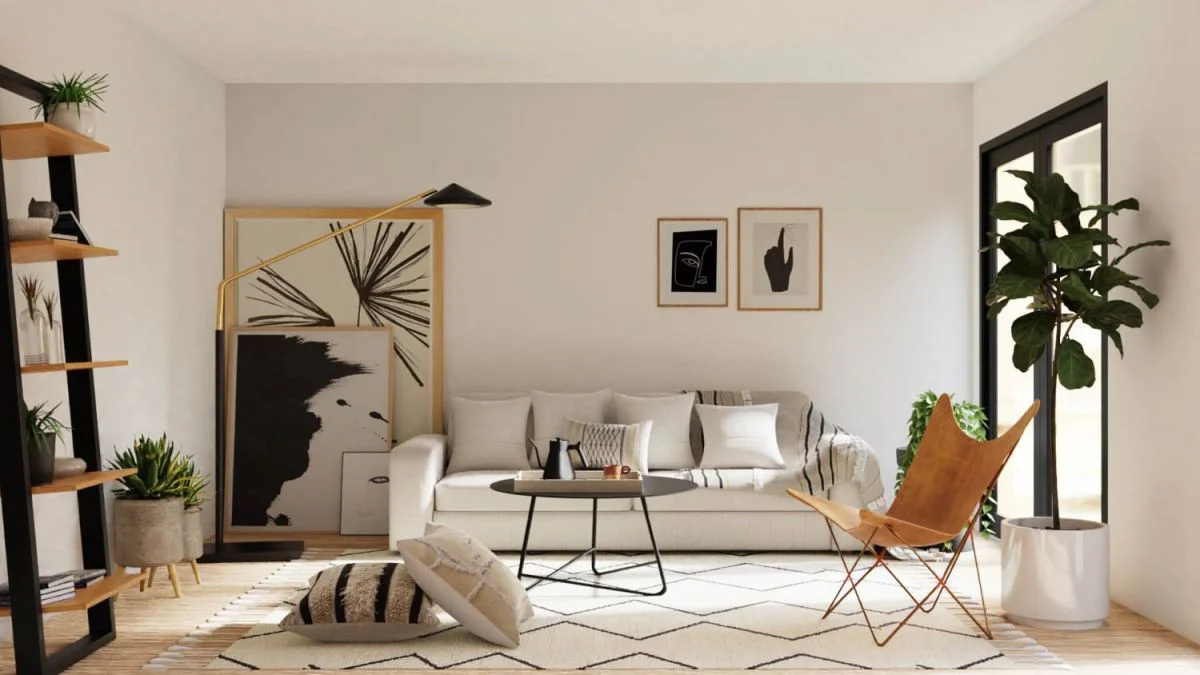
Minimalism often conjures images of stark, white rooms with only a handful of furniture pieces. However, in practice, minimalist living is far more nuanced, especially in a small apartment. It’s about intentionality—choosing what truly adds value and joy to your daily life rather than just creating a certain look. Imagine a 700-square-foot apartment where every object serves a purpose, whether functional or sentimental. For example, a young professional named Emma realized that her bulky collection of kitchen gadgets crowded her tiny kitchen, making meal prep stressful. Transitioning into minimalism helped her keep only essential tools, improving her cooking experience and mental clarity.
The Benefits of Downsizing and Simplifying
There’s a liberating freedom found in downsizing possessions, especially when space is limited. By simplifying, you create a sanctuary that feels open and calm. Consider the case of Mark and Sara, who moved into a small city apartment. They discovered that reducing their belongings not only freed up storage but also lowered their stress levels and utility costs. With fewer distractions and less clutter, they noticed improved focus and a greater appreciation for their surroundings. Downsizing also encourages sustainable consumption, making it an environmentally responsible choice.
Assessing Your Current Space and Belongings
Conducting a Room-by-Room Inventory
Before embarking on your minimalist journey, take stock of your belongings by conducting a thorough room-by-room inventory. This means physically going through each space—living room, bedroom, kitchen, bathroom—and laying out your items. For instance, in a small apartment, the accumulation of free products from work or promotional events can quickly fill shelves and drawers. By seeing everything at once, you gain clarity on what you have, what’s being underused, and what might be duplicates or unnecessary.
Identifying Clutter vs. Essentials
Once your items are displayed, the challenge lies in distinguishing between clutter and essentials. It’s tempting to hold onto things “just in case,” but this often leads to cramped spaces. One practical approach is setting all items out and asking yourself if you’ve used or thought about the item recently. A story from Anna illustrates this well: she realized that her collection of old notebooks and several unworn shoes were just taking up valuable closet space in her 650-square-foot apartment. Identifying such clutter allows you to make more informed decisions on what genuinely belongs in your home.
Setting a Realistic Budget for Your Minimalist Transition
Prioritizing Expenses and Savings
Transitioning to minimalism may involve some upfront costs, such as purchasing organizational tools or multipurpose furniture. However, setting a realistic budget keeps your financial goals intact. For example, Jason decided to allocate a modest monthly budget solely for thrifted furniture upgrades while consciously saving by avoiding brand-new bulky items. Prioritizing expenses means focusing on essentials first, such as quality storage boxes or storage systems that maximize already existing space, rather than splurging on expensive decor.
DIY vs. Buying Budget-Friendly Minimalist Essentials
A practical way to stick to a budget is balancing DIY solutions with smart purchases. Maria converted unused medicine cabinets into organized storage spaces using inexpensive baskets and labels, saving money and reducing clutter. Similarly, some storage needs, like hanging organizers for closet doors, can be sourced from thrift stores or discount outlets. On the other hand, investing in a compact, multifunctional coffee table might be worthwhile for small apartments. Thoughtful choices between do-it-yourself improvements and budget-friendly purchases can significantly enhance your minimalist setup without breaking the bank.
Decluttering Strategies Tailored for Small Apartments
Applying the One-In-One-Out Rule
One effective decluttering method is the one-in-one-out rule: for every new item you bring in, an old one goes out. This simple strategy prevents item accumulation over time and keeps living spaces manageable. Take the example of Tim, who found that regularly removing items he no longer used or loved stopped clutter from creeping back into his 700-square-foot studio. The rule also creates a habit of conscious consumption, helping avoid impulse purchases that don’t serve your minimalist lifestyle.
Creative Storage Solutions to Maximize Space
Small apartments demand creative storage hacks. Using over-the-door plastic shoe holders transformed Lisa’s closet door into a storage hub for shoes, purses, and travel pouches, a perfect fit for her small space. Similarly, repurposing medicine cabinets in the bathroom for categorizing toiletries saved counter space and kept the area tidy. Another idea is choosing aesthetically pleasing storage boxes, for example, 7×10-inch boxes that match your decor, to neatly store important documents or keepsakes. These boxes can even be stacked or hidden under beds, maximizing every inch.
Choosing Multipurpose Furniture and Accessories
Top Picks for Budget-Friendly, Space-Saving Furniture
Investing in furniture that serves multiple functions is a cornerstone of minimalist living in small apartments. For instance, fold-out sofas or ottomans with hidden storage offer seating while concealing blankets or books. Shelving units with built-in desks provide workspace without occupying extra rooms. Jane, who lives in a 650-square-foot apartment, swears by her convertible dining table that doubles as a craft station, saving her both space and money. Thrift stores and online marketplaces are excellent resources for scoring these versatile pieces affordably.
Incorporating Minimalist Decor without Overspending
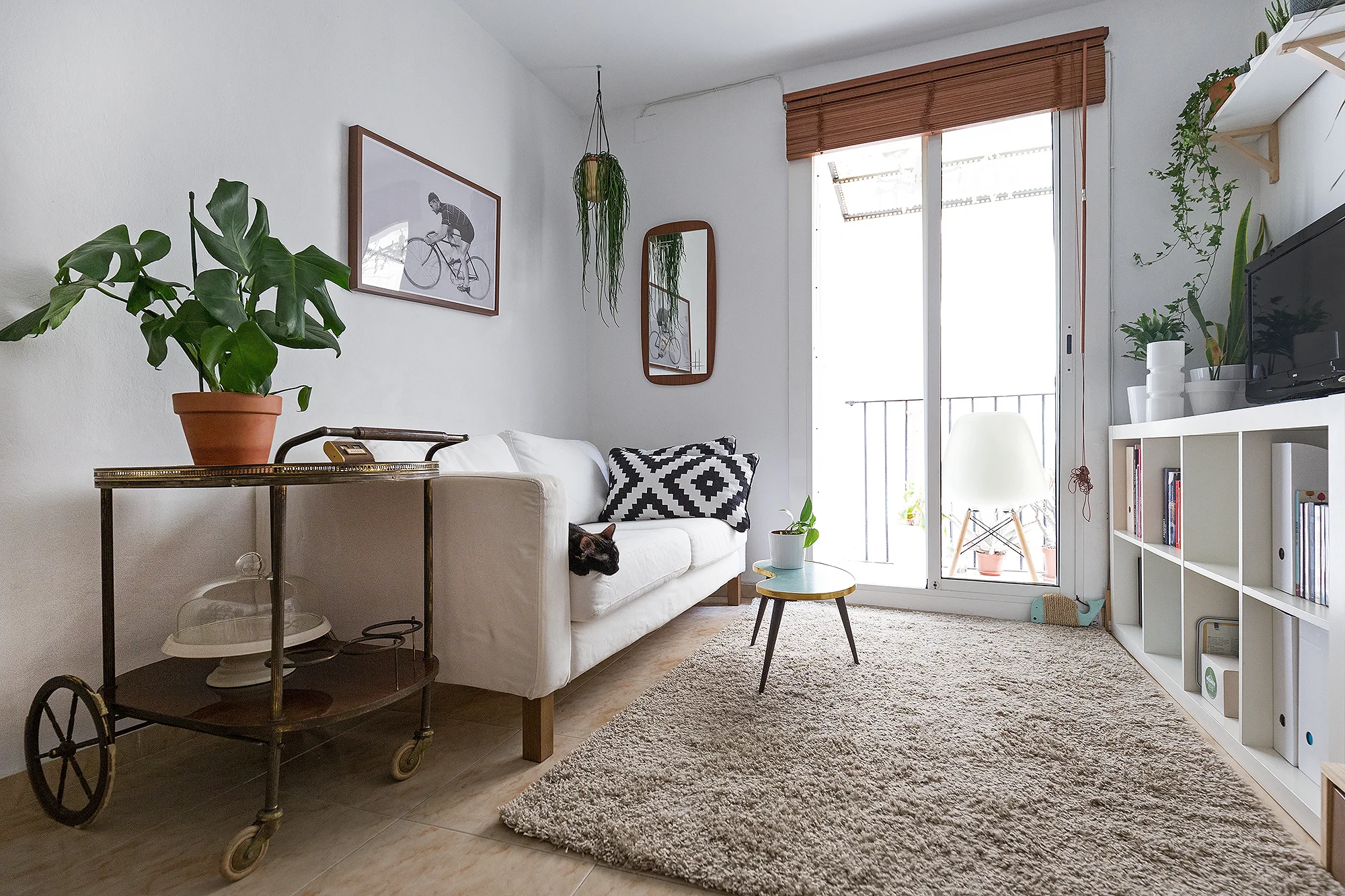
Minimalist decor doesn’t require high-end purchases. Simple touches like a single piece of wall art, a few houseplants, or streamlined curtains can elevate your space while keeping the vibe uncluttered. Alex used neutral-colored textiles and recycled glass vases from a local thrift store to create a cozy yet minimalist aesthetic in his small apartment. The key is to focus on quality pieces that reflect your personality but don’t overwhelm your limited space or budget.
Adopting Minimalist Habits for Daily Living
Mindful Consumption and Avoiding Impulse Purchases
Minimalism extends beyond your possessions—it’s a lifestyle mindset. Mindful consumption means pausing before buying and questioning whether an item serves a real need or merely satisfies a fleeting desire. For example, Sarah found that unsubscribing from promotional emails and avoiding bulk purchases helped her keep clutter at bay. Bulk buying often leads to storage troubles in small apartments. She now orders household essentials online in smaller quantities, which fits her space better and avoids forgotten items piling up in corners.
Maintaining an Organized, Clutter-Free Environment
Consistently maintaining your minimalist space is what makes the lifestyle sustainable. Frequent decluttering sessions prevent accumulation, and creating a “holding zone” for uncertain items allows for thoughtful decisions later. Kevin, who had struggled with clutter, instituted weekly 15-minute tidy-ups focusing on specific areas, which kept his apartment orderly. Maintaining organization also means investing in solutions you can carry with you, like storage boxes or hanging organizers, so transitioning to future homes doesn’t undo your minimalist efforts.
Leveraging Technology and Online Resources
Apps and Tools for Minimalism and Budgeting
Technology can be a great ally when transitioning to minimalist living. Apps like “Decluttr” or “Letgo” simplify selling unwanted items quickly, turning clutter into cash. Budgeting apps, such as “YNAB” (You Need A Budget), help track expenses, ensuring purchases align with your minimalist goals. Additionally, inventory apps assist in keeping track of what you own, preventing unnecessary repurchases. Using these digital tools adds a layer of control and motivation to your minimalist journey.
Communities and Forums for Support and Inspiration
Joining online minimalist communities or forums offers practical advice and emotional support. Platforms like Reddit’s r/minimalism or Facebook groups provide users with real-life stories, challenges, and creative solutions from people living similar lifestyles in small apartments. Hearing how others, like Zoe who downsized to a 700-square-foot space, manage challenges can inspire and encourage your own progress. Engaging with these communities fosters accountability and reminds you that minimalism is a shared journey.
Final Tips and Encouragement for a Sustainable Minimalist Lifestyle
Transitioning to minimalist living, especially in a small apartment on a budget, is a gradual process that requires patience and persistence. Avoid holding onto items for months without using them; chances are, these items do not belong in your space. Resist buying large bulk packs that create storage headaches rather than help. Preserve practical storage solutions, like medicine cabinets, even if they seem less aesthetic because their utility is invaluable in tight quarters. Remember, frequent decluttering is key—clutter builds up silently but steadily.
Ultimately, minimalism is about creating a living space that supports your life, not your possessions. Embrace each small step, celebrate the progress, and adjust strategies as you learn what works best for your unique situation. With thoughtful planning, creativity, and a mindful approach, your small apartment can transform into a clutter-free haven that feels spacious, welcoming, and affordable.