Understanding the Balance: Low-Calorie and Low-Carb Eating
Why Reducing Carbs Matters for Weight Control
Carbohydrates often get a bad rap when it comes to weight management, but not all carbs are created equal. Many people believe that cutting carbs entirely is the key to shedding pounds, yet the reality is much more nuanced. Simple carbs, found in processed foods, are quickly broken down and can lead to blood sugar spikes and cravings. These types of carbs also lack the fiber, vitamins, and minerals our bodies need.
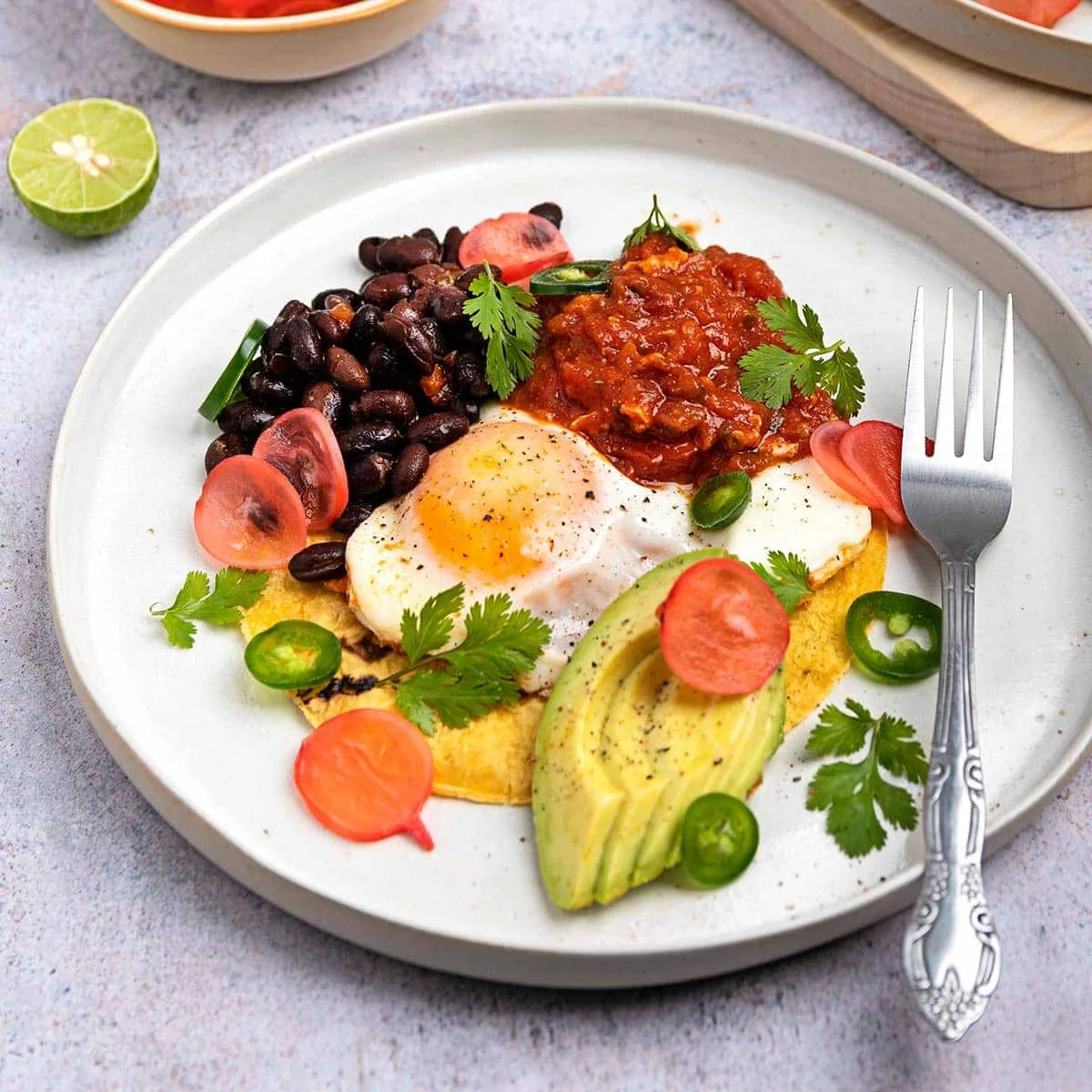
By focusing on reducing excess simple carbs and incorporating mainly complex carbohydrates, we can better manage calorie intake and avoid unnecessary hunger. This approach helps in maintaining steady energy levels throughout the day and supports sustained weight control without feeling deprived.
The Science Behind Satiety and Calorie Intake
Satiety—the feeling of fullness after eating—is a critical factor in any successful diet plan. Protein and fiber-rich foods tend to keep us feeling satisfied for longer periods, which naturally reduces overall calorie consumption. Low-calorie meals packed with these nutrients help prevent overeating without causing fatigue or hunger pangs.
Healthy fats also play a role here, as they slow digestion and promote hormonal signals that tell your brain you’re full. Together, these components allow for low-calorie dinners that fill you up without piling on the carbs.
Common Misconceptions About Low-Calorie Meals

A widespread misunderstanding is that low-calorie meals are bland, boring, or insufficient to keep you full. Many assume that eating fewer calories means eating less food, which isn’t necessarily true. The trick is choosing nutrient-dense ingredients that deliver volume and flavor.
Another myth is that low-carb means zero-carb, which can be both impractical and unhealthy. Including modest amounts of complex carbs like leafy greens, berries, and non-starchy vegetables can provide essential nutrients and fiber without adding excess carbs.
Top Ingredients for Low-Calorie, Filling Dinners
Protein-Packed Options to Stay Full Longer
Protein is a cornerstone of low-calorie dinners that truly satisfy. Lean meats such as chicken breast, turkey, and fish offer high-quality protein without unnecessary fat or carbs. Eggs, nuts, and seeds round out the options and add variety to meals across the week.
Including these protein sources helps maintain muscle mass and promotes fullness, reducing the likelihood of snacking between meals. Experimenting with different proteins also keeps dinners exciting instead of repetitive.
Fiber-Rich Vegetables That Add Volume
Non-starchy vegetables like leafy greens, zucchini, tomatoes, and cucumbers are excellent low-calorie options that bulk up meals. Their fiber content improves digestion and helps maintain steady blood sugar levels, which supports long-term weight control.
Incorporating a colorful variety of vegetables also provides essential vitamins and minerals that boost overall health and energy without the carb overload.
Healthy Fats That Support Satiety
Healthy fats from plant-based oils, avocado, and low-fat dairy help round out a balanced, low-calorie dinner. They not only add richness and flavor but also promote satiety through their impact on digestion and hormone regulation.
For example, a homemade avocado dressing or a drizzle of grapeseed oil can elevate a simple salad or roasted vegetable side, making it more satisfying with just a modest calorie addition.
Creative Dinner Ideas Without Excess Carbs
Zucchini Noodles with Pesto and Grilled Chicken
A clever way to enjoy a pasta-like dish without the carbs is by swapping traditional noodles for zucchini ribbons. Using a Y-shaped vegetable peeler creates delicate, ribbon-like noodles that pair perfectly with homemade pesto and tender grilled chicken breast. This meal is light but filling, thanks to the combination of protein and healthy fats from the pesto.
Stuffed Bell Peppers with Lean Turkey and Veggies
Stuffed bell peppers offer a comforting dinner option that feels hearty without being heavy. Filling them with lean ground turkey, diced vegetables, and a sprinkle of cheese keeps the carb content low while providing plenty of protein. Baking them until tender enhances the flavors and creates a satisfying meal perfect for any night of the week.
Cauliflower Fried Rice with Shrimp
Cauliflower rice is a fantastic low-carb alternative to traditional rice that doesn’t compromise on texture or flavor. When stir-fried with shrimp, eggs, and some fresh veggies, it becomes a savory, protein-packed dinner. The cauliflower offers fiber and volume while the shrimp adds lean protein, making this dish a flavorful and filling choice.
Hearty Salads with Avocado and Hard-Boiled Eggs
Salads can be much more than just leaves. Adding creamy avocado and hard-boiled eggs transforms a simple salad into a nutrient-dense meal. These ingredients provide healthy fats and protein, keeping you full long after the last bite. Including a variety of crunchy vegetables and a light homemade dressing balances freshness and richness perfectly.
Tips for Keeping Dinners Low-Calorie Yet Satisfying
Portion Control Strategies
Controlling portion sizes is one of the easiest ways to keep calorie intake in check without feeling deprived. Using smaller plates, slicing proteins thinly to extend volume, and filling most of your plate with vegetables helps maintain balance. Portion awareness also prevents accidental overeating of calorie-dense components like oils or cheeses.
Flavor Enhancement Without Extra Calories
Low-calorie doesn’t have to mean flavorless. Bright herbs, zesty citrus, and smoky spices can transform a simple dish into something delicious. Sauces like bang bang sauce or balsamic glaze add depth but be mindful of quantities to avoid hidden sugars or fats. Experimenting with fresh herbs like basil, dill, or parsley can elevate meals with no extra calories.
Meal Prep Hacks for Busy Weeknights
Preparing some ingredients ahead of time, like marinating chicken or pre-chopping vegetables, makes it easier to throw together low-calorie dinners on busy nights. Using refrigerated cauliflower rice or preparing sauces in advance also cuts down on cooking time. Sheet-pan meals are another great option—they require minimal clean-up and can be cooked quickly with lots of flavor.
Sample Weekly Meal Plan Featuring Low-Carb Dinners
Day 1 to Day 3: Light and Fresh
Start the week with meals that feel refreshing and energizing. Zucchini noodles with grilled chicken and pesto offer a bright, satisfying dish packed with flavor but low in carbs. Follow that with a hearty salad featuring avocado and hard-boiled eggs that provide richness without heaviness. Round off with stuffed bell peppers filled with lean turkey and vibrant veggies to keep things colorful and filling.
Day 4 to Day 6: Warm and Comforting
Midweek dinners can be a little more comforting without sacrificing health goals. Cauliflower fried rice with shrimp is a savory, warm meal that feels indulgent but stays light. Sheet-pan balsamic chicken and asparagus offer a no-fuss option loaded with protein and fiber. Adding a cheesy garlic zucchini steak on the side can enhance the meal with a vegetarian touch that never disappoints.
Day 7: Balanced and Easy to Prepare
Finish the week with something simple yet balanced. A low-carb turkey gyro bowl combines tender spiced meat with crunchy vegetables and a dollop of tzatziki. It’s satisfying, easy to assemble, and perfect for a relaxed weekend dinner. If you have extra time, whipping up Copycat Starbucks Egg Bites can also serve as a protein-rich, low-carb treat that’s delicious and quick to make ahead.