Understanding Continuity Errors in Complex TV Series
Definition and Examples of Continuity Errors
Continuity errors are those subtle or glaring inconsistencies that sneak into a TV series, often unnoticed during filming but glaring to attentive viewers later on. They might range from a character’s coffee cup suddenly changing position or contents between shots to more complex mistakes like a plot point contradicting an earlier episode. In complex TV series, especially those with expansive worlds and intricate storylines, these errors can accumulate, disrupting the viewer’s immersion.
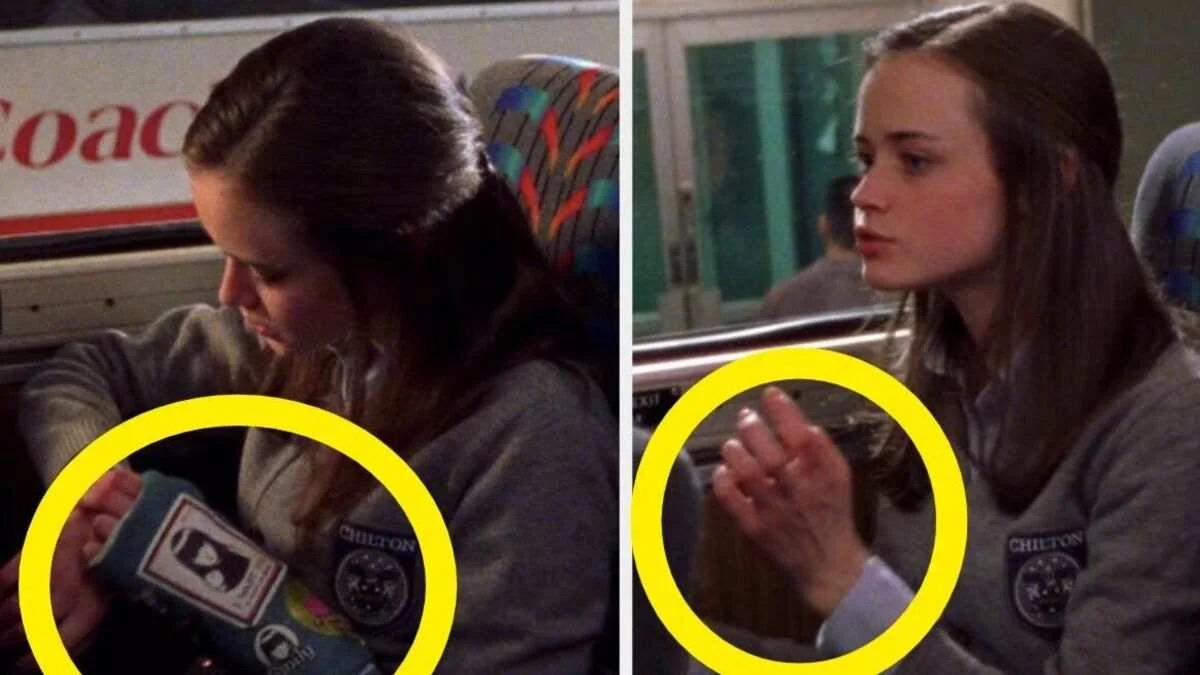
For instance, a character’s hairstyle might inexplicably switch between scenes, or a scar may vanish only to reappear minutes later. Sometimes, background elements like paintings or curtains shift positions without any narrative reason. These small slip-ups, although they might seem trivial, highlight the challenges in maintaining flawless visual and narrative consistency over many hours of filmed material.
Why Continuity Matters in Serialized Storytelling
In serialized storytelling, continuity is the invisible thread that holds together the story’s fabric. When handled well, it keeps the audience deeply engaged, allowing them to suspend disbelief and invest emotionally in the storyline and characters. Continuity errors, by contrast, can jar the viewer out of the experience, diminishing trust in the show’s quality and care.
Beyond mere aesthetics, continuity ensures that character development and plot progression feel authentic and believable. When a character’s fears, personality traits, or backstory shift abruptly without explanation, it risks confusing or alienating the audience. Thus, maintaining smooth continuity is essential not only for visual coherence but also for building a strong emotional connection with viewers.
Common Types of Continuity Errors in TV Productions
Visual Discrepancies
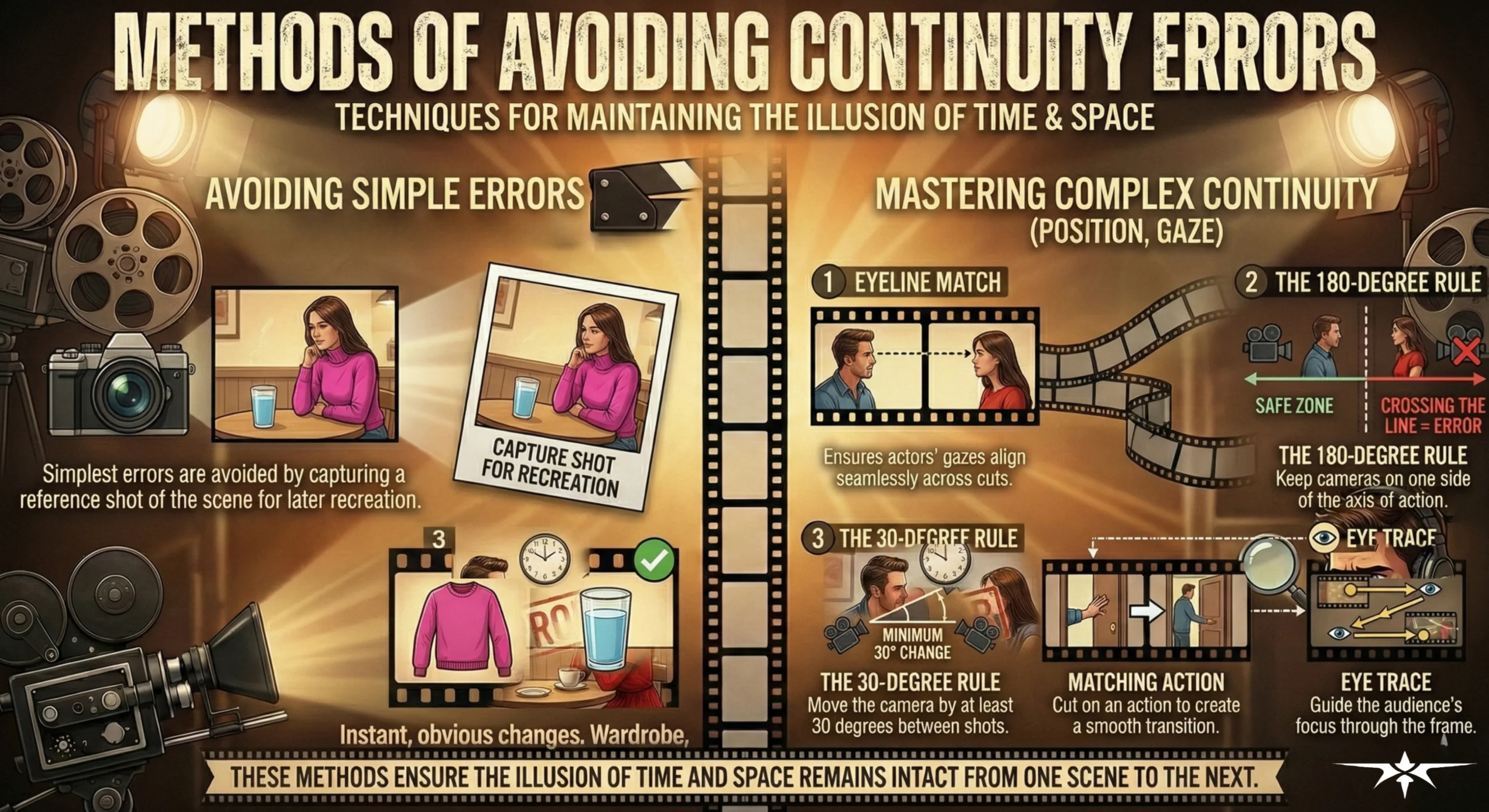
Visual continuity errors often arise from the complexities of shooting scenes out of order or managing lengthy schedules. These can include simple prop mistakes, like a coffee cup appearing full in one shot and empty in the next, or more involved issues such as inconsistent makeup or costume details. For example, a character might suddenly lose a smudge of dirt or a tear in their clothing only to regain it in a later scene.
Set details can also vary unintentionally. Paintings might shift positions, curtains can change styles, or items on a desk may mysteriously disappear between cuts. These visual slips, while seemingly minor, can significantly detract from the audience’s sense of realism.
Plot Inconsistencies
Plot continuity errors tend to be more challenging for viewers to gloss over because they affect the narrative flow. These may include contradictions in character arcs, unresolved storylines, or misaligned timelines that confuse the sequence of events. For instance, a character’s background or motivations might suddenly conflict with information revealed earlier, breaking the story’s internal logic.
Such inconsistencies often arise from complex storylines or when multiple writers are involved without a centralized continuity check. These lapses can undermine the credibility of the series, especially in shows with dedicated fanbases that scrutinize every detail.
Character and Timeline Mistakes
Maintaining consistent character traits and timeline accuracy is another common hurdle. Characters might act out of personality or forget important information without clear narrative reasons. Additionally, scars, tattoos, or other distinguishing marks might disappear between episodes, creating confusion.
Timeline errors are particularly tricky in multi-season series, where events must align precisely to maintain coherence. Misplaced dates, fluctuating ages, or inconsistent flashbacks can disrupt the narrative and frustrate audiences invested in the show’s chronology.
Effective Tools and Software for Tracking Continuity
Transitioning from Manual Notes to Digital Logs
Traditionally, continuity was monitored through extensive manual note-taking by script supervisors and continuity experts. While this method has its merits, the rise of digital tools has transformed the process, allowing for more efficient and accurate tracking.
Digital logs enable teams to organize and access information quickly, cross-referencing props, costumes, and plot points more easily than ever before. This transition reduces human error and streamlines communication among departments, ensuring that every detail is captured and reviewed consistently.
Popular Continuity Tracking Applications
Several software solutions have become invaluable in modern TV production. These applications often feature databases where continuity supervisors can input visual and narrative details, upload photos, and mark inconsistencies as they arise. Some integrate with production scheduling tools, helping teams track changes in real time.
While not foolproof, these apps support collaboration and help maintain a comprehensive record throughout the shooting schedule. They are particularly useful for complex shows with large casts, multiple sets, and intricate story arcs.
Integration of AI and Machine Learning in Detecting Errors
In recent years, cutting-edge AI and machine learning technologies have begun to play a role in continuity management. These systems can analyze frames, detect visual discrepancies, and even flag narrative inconsistencies by cross-referencing scripts with footage.
This emerging approach offers exciting potential to catch errors that human supervisors might miss, especially during fast-paced productions. While still in development, AI tools are becoming valuable assistants, enhancing the reliability and efficiency of continuity tracking in ways previously unimaginable.
Establishing a Continuity Review Workflow in Production
Role of the Script Supervisor
At the heart of continuity management is the script supervisor, who meticulously tracks every detail during filming. This role involves noting character placements, props, costumes, dialogue, and the time of day for each shot. The script supervisor acts as the continuity gatekeeper, ensuring that scenes can be matched seamlessly when edited together.
This role demands high attention to detail and strong organizational skills. By maintaining comprehensive records, the script supervisor provides a vital reference point for directors, editors, and other crew members throughout production.
Collaborative Review Between Departments
Continuity is not the script supervisor’s responsibility alone. It requires a collaborative effort among departments including costume design, set decoration, makeup, and sound engineering. Regular communication and sharing of continuity notes ensure that each department aligns their work with the broader production needs.
This cross-department collaboration significantly reduces the likelihood of errors slipping through. Sound departments, for example, can verify that background noises remain consistent, while set decorators ensure props and scenery stay in place.
Scheduling Periodic Continuity Checks During Filming
Continuity reviews should be an ongoing process integrated into the production schedule. Conducting periodic checks helps catch issues early before they compound, especially during long shooting periods. These reviews allow teams to address any discrepancies promptly, avoiding costly reshoots or confusion in post-production.
Regular continuity meetings and review sessions also keep the entire cast and crew aligned with the series’ evolving narrative and visual requirements, maintaining a consistent tone throughout the filming process.
Case Studies: How Popular TV Series Managed Continuity Tracking
Behind the Scenes of a Complex Drama Series
In high-profile drama series known for detailed storytelling, continuity supervisors often employ a mix of traditional note-taking and digital tools. By capturing granular details such as characters’ emotional states alongside props and costumes, these shows manage to maintain a polished and immersive experience.
Teams conduct extensive walkthroughs and continuity audits, revisiting scenes multiple times to check for consistency. This diligence contributes to the seamless narrative flow admired by both critics and fans.
Lessons from Sci-Fi and Fantasy Shows
Sci-fi and fantasy series face unique challenges due to their expansive worlds and complex lore. Continuity tracking here often involves an additional layer of managing fictional technologies, creatures, and magic systems. These shows rely heavily on detailed databases and specialized continuity experts familiar with the series’ mythology.
Moreover, with heavy use of CGI and elaborate costumes, maintaining visual continuity requires close coordination between the visual effects team and the on-set crew. Such cooperation ensures that fantastical elements remain consistent and believable across episodes and seasons.
Challenges in Tracking Continuity for Multi-Season Arcs
Dealing with Changing Cast and Crew
Long-running series inevitably face changes in cast and crew, posing significant continuity challenges. New actors require detailed briefings to maintain character consistency, while incoming crew members must familiarize themselves with established visual and narrative standards.
This turnover can lead to differing interpretations of characters or missed continuity cues. To mitigate this, productions maintain detailed continuity archives and invest time in onboarding new team members thoroughly.
Maintaining Continuity Over Long Time Spans
Tracking continuity over multiple seasons also means managing storylines that span years or even decades within the show’s universe. Writers and continuity teams must ensure timelines align, character developments are logical, and plot threads remain coherent.
Long gaps between filming seasons can complicate this, requiring careful documentation and memory-refreshing materials. Continuity supervisors often rely on detailed series bibles — comprehensive guides outlining characters, settings, and story events — to keep the narrative on track.
Tips for Reviewers to Identify Continuity Errors Efficiently
Review Techniques During Post-Production
Post-production is a critical phase for catching continuity errors before episodes air. Reviewers should watch scenes attentively, focusing not only on obvious changes but also on subtle shifts in props, makeup, lighting, and sound. Pausing and comparing shots side-by-side can reveal inconsistencies that might otherwise be missed.
Additionally, cross-checking footage against scripts and continuity notes helps identify where discrepancies may have slipped through. This thorough approach ensures the final edit maintains the series’ internal logic and visual coherence.
Using Viewer Feedback and Online Communities
In today’s connected world, viewers are quick to spot continuity errors, often discussing them extensively on social media and fan forums. Showrunners and reviewers benefit from monitoring these conversations, as fan feedback can highlight overlooked issues and offer fresh perspectives.
Embracing this feedback loop helps productions improve continuity in future episodes and strengthens engagement by showing that creators value audience input. Ultimately, creating continuity so seamless that it becomes invisible requires both careful planning and open ears to the audience’s observations.