Understanding Sensitive Skin and Sun Exposure
What Causes Skin Sensitivity After Sun Exposure?
Sensitive skin after sun exposure often results from a combination of factors. Sometimes it occurs due to a simple forgetful moment or unplanned outing in the sun without adequate protection. Overexposure to ultraviolet (UV) rays can inflame and damage skin cells, especially when sunscreen is missed on certain areas or applied improperly. Additionally, neglecting to check the UV index rating can leave skin vulnerable to intense radiation. These causes all contribute to redness, irritation, and a tender sensation commonly experienced following time spent outdoors without sufficient sun defense.
Common Symptoms and Signs to Watch For
After sun exposure, sensitive skin typically exhibits symptoms such as redness, warmth, itching, and tenderness. In more severe cases, the affected areas may blister or peel, signaling significant skin trauma. Other warning signs include swelling, pain, and a feeling of heat or burning. It is important to monitor these symptoms closely—particularly if neurological signs like dizziness or numbness appear—as they may indicate a more serious sunburn requiring medical attention. Early recognition and care are crucial to avoid further damage and support faster recovery.
Top Natural Remedies to Calm Inflammation
Aloe Vera: Nature’s Cooling Gel
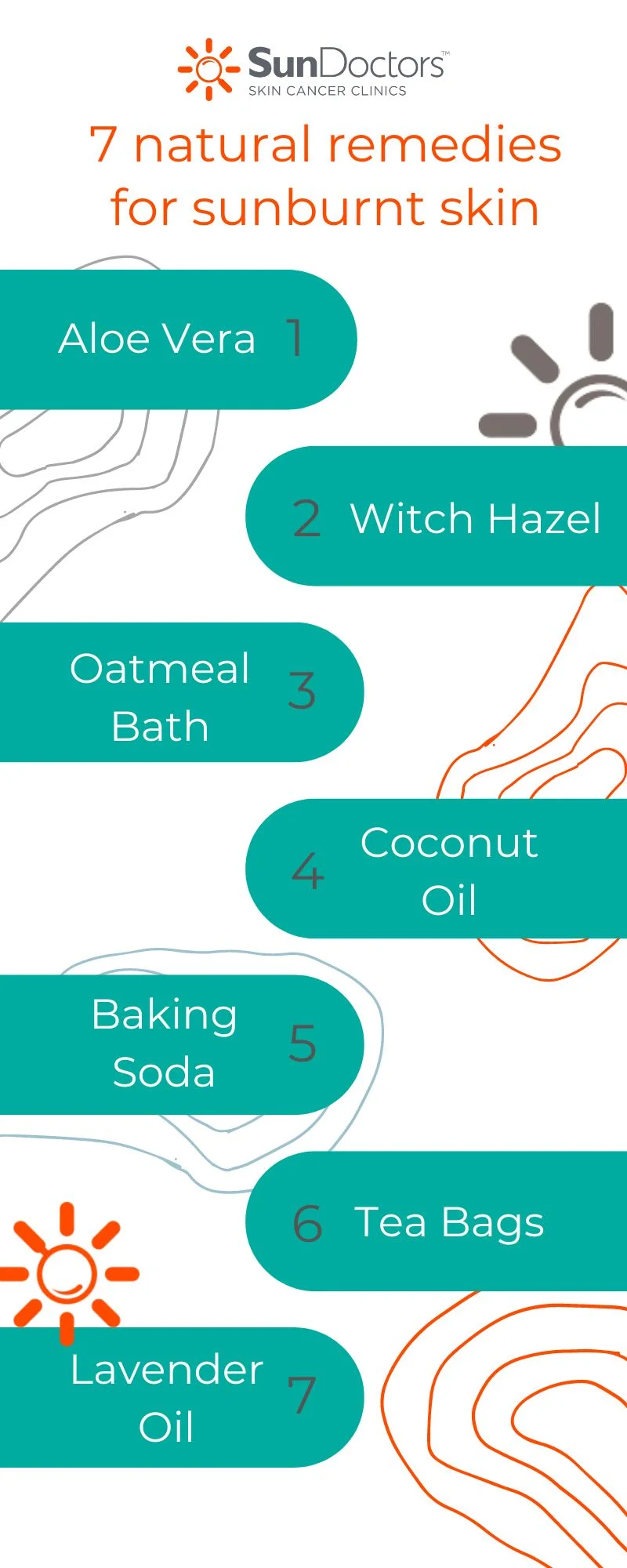
Aloe vera is widely renowned for its soothing properties, making it an ideal remedy for sensitive skin after sun exposure. The gel extracted directly from the aloe plant provides immediate cooling relief while delivering antibacterial and anti-inflammatory benefits. Applying fresh aloe vera gel straight onto irritated areas helps reduce redness and supports the healing process by hydrating without trapping heat. Its gentle nature makes it safe to use repeatedly as the skin recovers.
Chamomile Infusions and Compresses

Chamomile offers natural anti-inflammatory and calming effects which are beneficial for sun-irritated skin. Using infused chamomile tea bags as a cool compress or incorporating chamomile oil diluted in a carrier into a moisturizer can relieve itching and discomfort. This approach helps calm inflamed tissues, reduce redness, and promote a sense of relief without harsh chemicals, making it a gentle option for daily care during recovery.
Cucumber: Hydrating and Soothing Properties
Chilled cucumber is another excellent natural remedy for sensitive skin after sun damage. Its high water content hydrates the skin intensely while antioxidants provide protection against oxidative stress. Applying mashed cucumber directly as a paste or using cucumber slices on the affected areas helps cool the skin and reduce inflammation. This method is particularly helpful for alleviating the stinging sensation and dryness often experienced after sun exposure.
How to Use Natural Oils for Skin Repair
Calendula Oil: Healing and Anti-Inflammatory
Calendula oil is prized for its potent healing properties and ability to reduce inflammation. It supports skin regeneration and soothes irritation caused by sun exposure. Applying calendula oil gently to affected skin areas can speed up the recovery process while providing necessary moisture. This oil also helps prevent infection due to its natural antiseptic qualities, making it a valuable addition to sunburn aftercare routines.
Lavender Oil: Calming Effects
Lavender oil is well-known for its calming and analgesic effects, which can significantly ease the discomfort associated with sun-damaged skin. When diluted properly in a carrier oil or added to a cool compress, lavender helps reduce inflammation and calm irritated skin. Its pleasant aroma also contributes to stress relief, enhancing overall skin recovery by promoting relaxation. Care should be taken to use essential oils correctly to avoid irritation.
Dietary Tips to Support Skin Recovery
Antioxidant-Rich Foods to Include
Eating foods rich in antioxidants supports the skin’s natural repair mechanisms. Vitamins like C and E, as well as compounds such as beta-carotene and lycopene, help neutralize free radicals generated by UV damage. Incorporating fruits like oranges, berries, and tomatoes, along with vegetables such as spinach and carrots, can accelerate healing and reduce inflammation from within. A diet focused on nutrient-dense, antioxidant-rich foods strengthens the skin’s resilience against future sun stress.
Hydration Strategies for Sensitive Skin
Proper hydration is essential when healing sensitive or sunburned skin. Drinking plenty of water helps replenish fluids lost through sun exposure and prevents dehydration, which can worsen skin dryness and irritation. Including hydrating fruits and vegetables, like watermelon and cucumbers, supports fluid balance and supplies vitamins vital for skin health. Staying well-hydrated ensures the skin remains supple and aids in flushing out toxins.
Preventative Practices for Future Sun Exposure
Natural Sunscreens and Protective Clothing
Prevention is key to managing sensitive skin in the long term. Utilizing natural sunscreens that contain mineral-based ingredients like zinc oxide or titanium dioxide provides effective UV protection without harsh chemicals. Wearing sun-protective clothing such as wide-brimmed hats, long sleeves, and sunglasses further shields vulnerable skin from harmful rays. Planning outdoor activities according to UV index reports and seeking shade during peak hours reduces the risk of sun damage significantly.
After-Sun Skincare Rituals Using Natural Ingredients
Establishing a soothing after-sun skincare routine helps maintain skin health and prevent prolonged sensitivity. Starting treatment as soon as sunburn symptoms appear is crucial. Applying natural ingredients like aloe vera gel, chilled cucumber paste, and witch hazel can calm inflammation and refresh the skin. Incorporating gentle hydration and avoiding further sun exposure during healing prevents exacerbation. Consistent use of these remedies supports faster recovery and keeps the skin balanced for future sun protection.