Understanding the Importance of Morning Hydration
How Hydration Influences Metabolic Rate
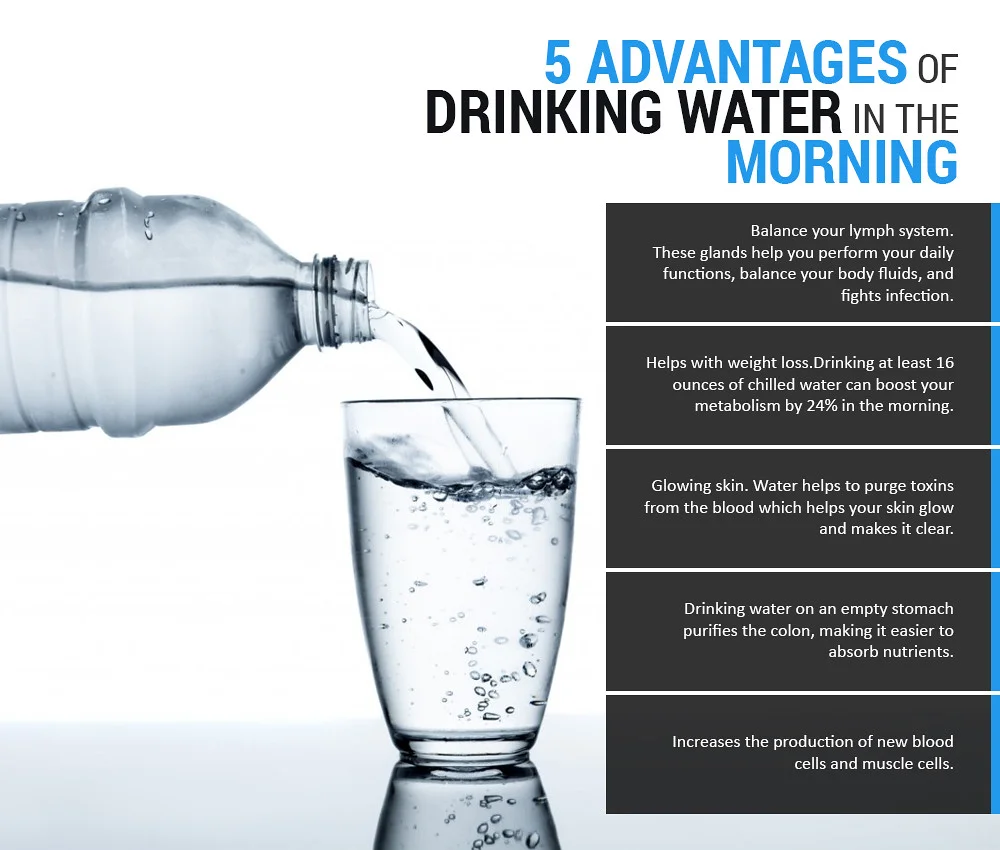
Hydration plays a critical role in the body’s metabolic functions. When the body has adequate fluids, it can efficiently convert food into usable energy through various cellular processes. Drinking water, especially in the morning after a night of fasting, helps rehydrate the body and can gently stimulate the metabolism. This stimulation is partially linked to what is known as the thermogenic effect of water, where water intake temporarily increases the number of calories burned by the body. Therefore, starting the day well-hydrated can help support the natural metabolic rate, contributing to overall energy balance throughout the day.
The Science Behind Morning Water Intake
During sleep, the body loses fluids naturally through breathing and perspiration, which results in mild dehydration upon waking. Drinking water soon after waking helps to replenish fluid stores, promoting optimal functioning of organs and systems. However, research indicates that while morning water intake is beneficial, it is not uniquely superior to drinking water at other times of the day. Sustained hydration over the course of the day remains the key factor for metabolic health rather than consuming a large quantity solely in the morning.
Effective Hydration Strategies to Boost Metabolism
Types of Fluids to Drink Upon Waking
Water is the best choice for morning hydration due to its purity and ability to rapidly replenish fluids without added calories or sugars. For added flavor and appeal, infusing water with natural ingredients like slices of citrus fruits, berries, or fresh herbs can make drinking water more enjoyable without introducing unwanted sugars. Low-sodium broths or herbal teas can also contribute to hydration while providing variety. It is advisable to avoid sugary juices or coffee as first fluid choices, since they may not adequately support hydration needs and can sometimes induce dehydrating effects.
Best Time Intervals for Morning Fluid Consumption
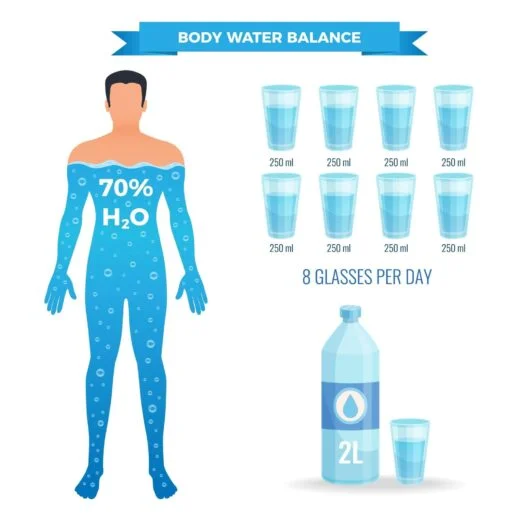
After waking, it is helpful to drink a full glass of water to start rehydration immediately. Following this initial intake, spacing small amounts of water throughout the morning helps maintain hydration levels consistently. Drinking water before meals can encourage feelings of fullness, which might assist in moderating food intake. However, it is important to listen to natural thirst cues and avoid forcing excessive fluid intake all at once, as gradual hydration supports steady metabolic functioning.
Incorporating Hydration into Your Breakfast Routine
Hydrating Foods to Complement Your Morning Drinks
Including water-rich foods in breakfast is an excellent complementary strategy to morning hydration. Fruits and vegetables such as cantaloupe, strawberries, celery, cucumbers, and watermelon contain high water content, usually ranging from 90% to 100%. These foods not only contribute to fluid intake but also provide essential vitamins, minerals, and fiber, which help sustain energy and improve fullness. Eating these hydrating foods alongside water enhances the body’s overall fluid balance more effectively than fluids alone.
Combining Hydration with Nutrient-Rich Meals
A balanced breakfast that combines hydration with nutrients is powerful in supporting metabolism. Including whole grains, lean proteins, and fiber-rich fruits or vegetables keeps energy levels stable and promotes better blood sugar management throughout the morning. Avoiding processed foods high in sugar and low in fiber, such as sugary pastries or syrups, helps prevent fluctuations in energy and cravings. Solid foods tend to be more satisfying than breakfast drinks, contributing to better appetite control and sustained hydration benefits.
Practical Tips for Maintaining Hydration Habit
Setting Reminders and Using Water Bottles
Building a hydration habit can be achieved by creating consistent and simple routines. Using alarms or phone notifications to remind yourself to drink water encourages regular intake until it becomes automatic. Carrying a reusable water bottle throughout the day increases the likelihood of drinking water often and serves as a visual cue. At home or work, keeping water visible, like a pitcher in the fridge or a bottle on the desk, can further reinforce hydration habits.
Tracking Your Hydration Progress
Monitoring daily fluid consumption helps ensure that hydration goals are met consistently. There are various apps or journals that can be used to record water intake, making it easier to identify patterns or gaps. This awareness supports maintaining adequate hydration throughout the day, preventing dehydration that can impact mental alertness and physical performance. Tracking also aids in adapting fluid intake to individual needs, such as increasing water during hotter weather or after physical activity.
Potential Pitfalls to Avoid When Hydrating in the Morning
Common Mistakes and How They Affect Metabolism
One common mistake is skipping breakfast, which can lead to overeating later and disrupt blood sugar control. Choosing processed breakfasts high in sugar and low in fiber may cause energy spikes followed by rapid drops, negatively affecting metabolism. Relying on sugary drinks or smoothies instead of solid foods can leave one feeling less satisfied and reduce overall hydration effectiveness. Another frequent error is neglecting to drink enough water throughout the day, focusing only on morning intake, which overlooks the importance of sustained hydration for metabolic balance.
How to Listen to Your Body’s Hydration Needs
The body’s natural thirst mechanism is a reliable guide for hydration requirements. While thirst sensations can decline with age, paying attention to urinary color and frequency, as well as sensations of dry mouth or fatigue, can help determine hydration status. It is important not to assume that dark urine in the morning always signals dehydration since it may simply result from overnight fluid absence. Drinking water throughout the day, staying mindful of fluid losses from sweating or illness, and adjusting intake accordingly helps maintain optimal hydration without overdoing it.