Understanding Food and Wine Tours in Tuscany
What Makes Tuscany a Premier Culinary Destination?
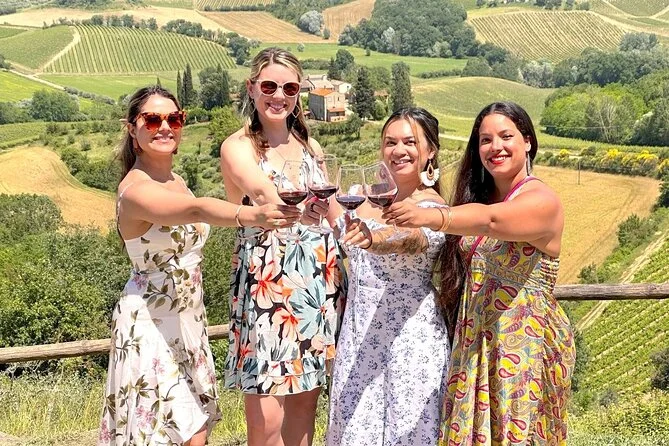
Tuscany is renowned worldwide for its rich culinary heritage and exquisite wines. The region’s unique climate and soil create ideal conditions for growing grapes and producing distinctive wines like Chianti, Brunello di Montalcino, and Vino Nobile di Montepulciano. Beyond wine, Tuscany’s cucina povera tradition offers simple, flavorful dishes crafted from fresh, local ingredients. Its vineyards, olive groves, and historic towns blend culture, history, and gastronomy, appealing deeply to food and wine enthusiasts.
Types of Food and Wine Tours Available
Visitors can choose from a variety of tours depending on their interests and pace. Some tours focus solely on wine tasting at boutique wineries, providing intimate experiences with local vintners. Others combine food experiences, such as cooking classes or market visits, allowing visitors to engage in Tuscan culinary traditions hands-on. Guided cultural tours explore both food and wine alongside regional history and landscapes, offering a comprehensive understanding of Tuscany’s gastronomy.
Preparing for Your First Food and Wine Tour
Choosing the Right Time to Visit Tuscany
The timing of your visit greatly influences your experience. Many travelers opt for the harvest season in late summer and early fall for lively festivals and fresh wine tastings. Alternatively, visiting during the off-season, such as winter, allows for fewer crowds, easier restaurant reservations, and quieter museum visits. Each season showcases Tuscany’s charm differently, so consider your preferences for weather, crowds, and events when planning.
Important Travel Documents and Requirements
First-time visitors should ensure they have valid identification, such as a passport, and check if a visa is required for entry into Italy. Some tours may require advance registration and confirmation documentation, so keep all reservation details accessible. It is also wise to carry any health insurance information and emergency contacts during your travels, especially when exploring rural vineyards far from urban centers.
How to Select the Best Food and Wine Tour for You
Defining Your Preferences: Wine Tasting, Cooking Classes, or Market Tours?
Understanding your interests helps narrow down tour options. If your passion lies in wine, look for tours emphasizing visits to boutique wineries and guided tastings. For food enthusiasts, cooking classes provide practical insights into preparing Tuscan dishes. Market tours bring you closer to local life, showcasing regional produce and artisan products. Some tours combine these elements, offering a balanced cultural experience.
Comparing Tour Providers and Itineraries
When choosing a tour, consider the reputation and expertise of operators. Some specialize in small, organic vineyards, while others focus on larger commercial estates. Review detailed itineraries to ensure they align with your desired pace and interests. Account for practical factors like group size, transportation methods, and language options. Authentic experiences often come from providers recognized for their local connections and cultural knowledge.
Booking Your Tuscany Food and Wine Experience: A Step-by-Step Process
Step 1: Research and Shortlist Tours
Start by browsing reputable travel websites and wine tour operators to identify tours that fit your preferences. Look for those offering experiences in regions like Chianti or Montalcino, known for excellence. Keep in mind the distances between wineries and the typical number of visits per day to avoid over-scheduling.
Step 2: Check Reviews and Recommendations
Reading reviews provides insight into the quality of the tours and customer satisfaction. Pay attention to comments about the guides’ knowledge, winery selections, and overall organization. Recommendations from local experts or previous travelers can help you avoid common pitfalls and choose providers with strong reputations.
Step 3: Contact Tour Operators for Customization Options
Reach out to tour operators to ask about modifying itineraries based on your interests or dietary needs. Some providers offer private tours or custom tasting sessions that allow a more personalized experience. Confirm inclusions such as transportation, meals, and wine shipping services, especially if you plan to purchase bottles to take home.
Step 4: Secure Your Reservation and Confirm Details
Once you select the tour, book well in advance, as many Tuscan wineries require appointments and have limited capacity. Confirm all details including meeting points, pick-up times, and cancellation policies. Keep copies of your reservation and contact information handy during your trip for smooth coordination on the day of the tour.
Making the Most of Your Tour Day
Packing Essentials for Tuscany Food and Wine Tours
Wear comfortable clothing and sturdy walking shoes suitable for vineyards and gravel roads. Bring a light jacket for outdoor tastings and a reusable water bottle to stay hydrated. Carry a small bag for essentials and avoid heavy luggage. If planning to purchase wine, consider bringing a wine protector or leaving space in your luggage to safely transport bottles.
Maximizing Your Experience with Local Interaction
Engage actively with hosts and guides to enrich your understanding of Tuscan wine culture. Ask questions about production methods, grape varieties, and food pairings. Visiting local shops or wine dispensaries during the tour offers insight into everyday life and culinary traditions. Savor the scenic views without rushing, allowing time to appreciate the ambiance and flavors fully.
Post-Tour Tips and Resources
Sharing Your Experience: Best Practices for Reviews and Social Media
After the tour, consider leaving detailed reviews to help future travelers make informed choices. Sharing photos and stories on social media also supports local businesses and promotes Tuscan wine culture. Highlight the unique aspects of your tour, such as special wines tasted or memorable host interactions.
Where to Buy Authentic Tuscan Products After the Tour
Many travelers wish to continue their Tuscan experience by purchasing wine and food products. Local wine shops, markets, and certified wineries sell genuine Chianti Classico bottles marked with the rooster logo, ensuring authenticity. Organized tours often assist with shipping, which can be a convenient option for delicate or bulk purchases. Bringing products back to your accommodation allows for personal enjoyment and sharing with friends and family.