Understanding Character Arcs: The Foundation of TV Storytelling
Defining Character Arcs and Their Importance
In the world of television, character arcs are the backbone of storytelling. A character arc refers to the transformation or inner journey a character undergoes throughout a series. This evolution can be emotional, psychological, or moral, and it often mirrors the themes the show explores. Without a well-crafted character arc, even the most exciting plot risks feeling hollow, because audiences connect deeply with characters who evolve over time.

How Character Arcs Drive the Narrative Forward
Character arcs serve as the engine that propels a story. Each decision, conflict, and resolution a character faces pushes the narrative into new territory. As characters grow or regress, their changing perspectives open fresh plot possibilities and emotional stakes. This dynamic interplay keeps viewers engaged, rooting for or against characters based on how they navigate their personal growth. In essence, character arcs shape not just individual journeys but the entire story’s progression.
Identifying the Types of Character Arcs in Popular TV Series
Positive Transformation Arcs
One of the most satisfying arcs to follow is the positive transformation. Here, characters overcome obstacles, learn important lessons, and emerge stronger or wiser by the end. Popular TV shows often use this arc to inspire viewers, showing that change is achievable. It’s the classic hero’s journey, where trials spark growth and redemption.
Negative or Tragic Arcs
Not all character arcs head toward a happy ending. Negative or tragic arcs reveal how circumstances or internal flaws can lead a character down a darker path. These arcs add complexity and tension, often reflecting real-life struggles with failure or loss. Such arcs remind audiences that change isn’t always uplifting, but it is always meaningful.
Flat or Static Arcs: When Characters Stay the Same
Sometimes, the most impactful characters resist change, maintaining their core beliefs or personality throughout a series. These flat arcs serve different purposes, such as acting as anchors in a chaotic world or highlighting contrasts with evolving characters. Though they may seem less dynamic, static arcs are vital in balancing stories and emphasizing growth in others.
Step 1: Selecting a TV Series and Character to Analyze
Criteria for Choosing a Series with Rich Character Development
Before diving into deconstruction, pick a series known for its depth in character growth. Shows with layered storytelling, complex relationships, and emotional stakes are perfect candidates. Consider the consistency of character development across episodes and seasons, and whether the series explores psychological or moral themes. A well-written series offers a treasure trove of material to analyze.
Methods to Select a Compelling Character Arc for Study
Once you’ve settled on a series, focus on a character whose journey is especially rich or transformative. This might be the protagonist, an anti-hero, or even a secondary figure who experiences pivotal changes. Look for characters who face significant conflict, reveal hidden dimensions over time, or whose decisions influence the overall plot. Picking the right character sets the stage for meaningful insights.
Step 2: Mapping the Character’s Journey Episode by Episode
Tracking Key Moments and Turning Points
Begin by watching the episodes with a keen eye on the character’s development. Identify moments when they achieve goals, face setbacks, or alter their worldview. These turning points often mark shifts in the arc and reveal how external events affect internal growth. Recording these events chronologically helps visualize the trajectory of change.
Using Scene Breakdown to Pinpoint Arc Progression
Diving deeper, analyze crucial scenes to understand subtle nuances. Dialogue, body language, and reactions can signal emotional shifts that contribute to the arc. By breaking down scenes, you’ll grasp how writers craft gradual progression rather than forced transformations. This granular approach sharpens your ability to recognize pacing within a character arc.
Step 3: Analyzing Internal and External Conflicts
Understanding How Conflicts Shape the Character
Conflicts are the crucibles where character transformations take place. External challenges—like rivalries, societal pressures, or physical dangers—test the character’s resilience. Simultaneously, internal conflicts, such as self-doubt, fear, or moral dilemmas, add depth. Balancing these forces reveals why a character changes or resists change, enriching your analysis.
Balancing Personal Growth with Plot Demands
Good storytelling harmonizes the character’s internal journey with the demands of the plot. Sometimes, an external event triggers a personal revelation. Other times, character flaws influence plot outcomes. Recognizing this balance helps writers ensure that character arcs and narrative momentum complement each other naturally, avoiding disjointed or rushed storytelling.
Step 4: Recognizing Character Motivations and Changes
Identifying Core Desires and Fears
At the heart of every character arc lie motivations—what drives the character forward—and fears that hold them back. Pinpointing these helps explain their choices and reactions. Are they seeking love, power, redemption, or escape? What insecurities undermine their confidence? Understanding motivations brings emotional clarity to the arc’s progression.
Spotting Subtle vs. Overt Changes in Behavior
Not all character development is loud and obvious. Sometimes, the most impactful shifts are subtle—a slight softening in tone, a hesitant glance, or a new habit. Other changes might be dramatic, like a decisive action or a radical shift in belief. Recognizing both types of growth allows for a richer, more nuanced reading of the character’s journey.
Case Study: Deconstructing a Famous Character Arc
Overview of the Chosen Character’s Storyline
Consider Walter White from “Breaking Bad” as our case study. Starting as a mild-mannered chemistry teacher, Walter’s journey spirals into moral ambiguity and darkness as he transforms into a ruthless drug lord. His arc encapsulates a complex mix of hubris, desperation, and loss—a perfect example of a negative transformation that captivates audiences.
Step-by-Step Breakdown of Their Arc
Walter’s arc begins with a motivating crisis: a cancer diagnosis that threatens his family’s future. Early episodes show his initial hesitation and attempts to retain control over his ethics. As the series progresses, his choices grow bolder, and internal conflicts like pride and fear push him deeper into the drug trade. His external conflicts with law enforcement and rival criminals mirror his gradual moral decay. Each season marks small but significant changes that culminate in his complete transformation, reflecting the tragic consequences of his decisions.
Lessons for Writers from This Example
Walter White’s arc teaches the importance of pacing and layered conflict. His journey isn’t rushed; every step is believable and motivated. The interplay of internal desires and external pressures creates a multidimensional character who remains compelling despite his flaws. Writers can learn to craft arcs that challenge audiences while maintaining empathy and narrative tension.
Applying What You’ve Learned to Your Own Storytelling
Creating Multi-Dimensional Characters
When crafting your own stories, focus on characters with depth. Avoid flat personalities by exploring their fears, hopes, and contradictions. Give them room to grow or resist change in ways that feel authentic. Rich characters invite readers and viewers to invest emotionally, making your storytelling more impactful.
Integrating Character Arcs Seamlessly with Plot
Ensure your character arcs and plot are intertwined naturally. Every plot event should matter to the character’s journey, and the character’s growth should influence the direction of the story. This synergy creates a cohesive narrative where character and story elevate each other, engaging your audience on multiple levels.
Tools and Techniques for Deconstructing Character Arcs
Using Visual Aids: Timelines, Charts, and Mind Maps
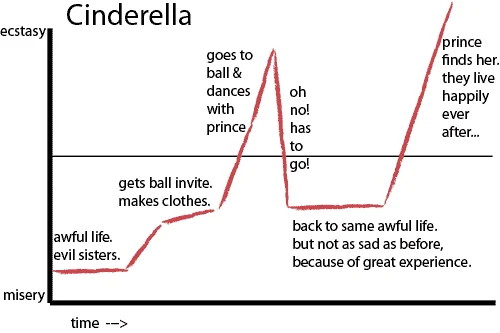
Visual tools can transform character arc analysis from overwhelming to manageable. Timelines help track progression chronologically, charts compare emotional highs and lows, and mind maps reveal connections between motivations and conflicts. These aids clarify complex arcs, making patterns and turning points easier to spot.
Recommended Software and Resources
Several digital tools can assist in mapping and analyzing character arcs. Programs like Scrivener offer detailed project organization, while mind mapping apps like MindMeister or XMind provide flexible visualization options. Online resources and workshops on character development can also deepen your understanding and sharpen your skills.
Conclusion: Elevate Your Writing Through Character Arc Analysis
Deconstructing character arcs unlocks a deeper appreciation for storytelling and equips you with tools to craft compelling narratives. By understanding how characters evolve in popular TV series, you gain insight into the mechanics of growth, conflict, and motivation. Applying these lessons elevates your writing, creating stories that resonate emotionally and linger in the audience’s memory long after the final scene.