Understanding the Connection Between Journaling and Anxiety Relief
How Anxiety Affects Emotional Clarity
Anxiety often clouds the mind with a jumble of thoughts and emotions, making it difficult to identify what truly matters. Stressful or traumatic events, internal conflicts, and overwhelming emotions contribute to this mental fog. When anxiety takes hold, negative thoughts tend to dominate, preventing clear decision-making and emotional understanding. This confusion can exacerbate feelings of depression, stress, and uncertainty, creating a cycle that’s hard to break without intentional effort.
The Science Behind Journaling as a Therapeutic Tool
Journaling offers a pathway toward emotional clarity by allowing the brain to organize and articulate feelings. Scientific studies highlight the benefits of writing as a means to process distress and reduce anxiety symptoms. By externalizing thoughts onto paper, journaling activates areas of the brain responsible for reflection and problem-solving. It encourages mindfulness and self-awareness, helping individuals observe patterns and triggers. This therapeutic tool also fosters positive self-talk and reframing of negative beliefs, which are crucial for managing anxiety.
Preparing to Start Your Journaling Practice
Selecting the Right Journal and Tools

Choosing a journal that feels inviting and personal is essential. Whether it’s a simple notebook, a guided journal, or a digital app, the key is comfort and ease of use. Some find writing by hand more effective, as it engages the mind differently than typing. Select pens or pencils that glide smoothly and inspire you to write. Keep your tools readily available to encourage consistency, and don’t hesitate to experiment until you find what best supports your journaling process.
Creating a Comfortable and Safe Writing Environment
Establishing a soothing space enhances journaling practice. This place should feel private and free from distractions, where you can focus on your thoughts without judgment. Adding simple comforts like a warm cup of tea or soft lighting can make this time feel special. When the surroundings promote relaxation, it becomes easier to delve into difficult emotions and maintain the habit. Developing this sanctuary fosters a positive association with journaling as a nurturing self-care routine.
Step 1: Setting Your Intentions for Journaling
Defining Personal Goals for Anxiety Management
Before beginning, clarify what you hope to achieve with journaling. This might include reducing stress, understanding triggers, or gaining emotional clarity. Having clear goals guides your writing and helps measure progress over time. Intentions create purpose and motivation. Reflect on what specific areas of anxiety you want to address and how journaling can fit into your overall coping strategy. This mindset shapes a meaningful and focused practice.
Developing a Routine That Works for You
Consistency is crucial for reaping the benefits of journaling. Set aside a few minutes each day for writing, preferably at the same time. Some prefer morning sessions to set a calm tone for the day, while others choose evenings to reflect and unwind. Flexibility is important, so adapt your routine based on your lifestyle and energy levels. Regular practice strengthens the connection with your inner self and gradually reduces anxiety’s grip.
Step 2: Techniques for Effective Anxiety Journaling
Free Writing vs. Guided Prompts
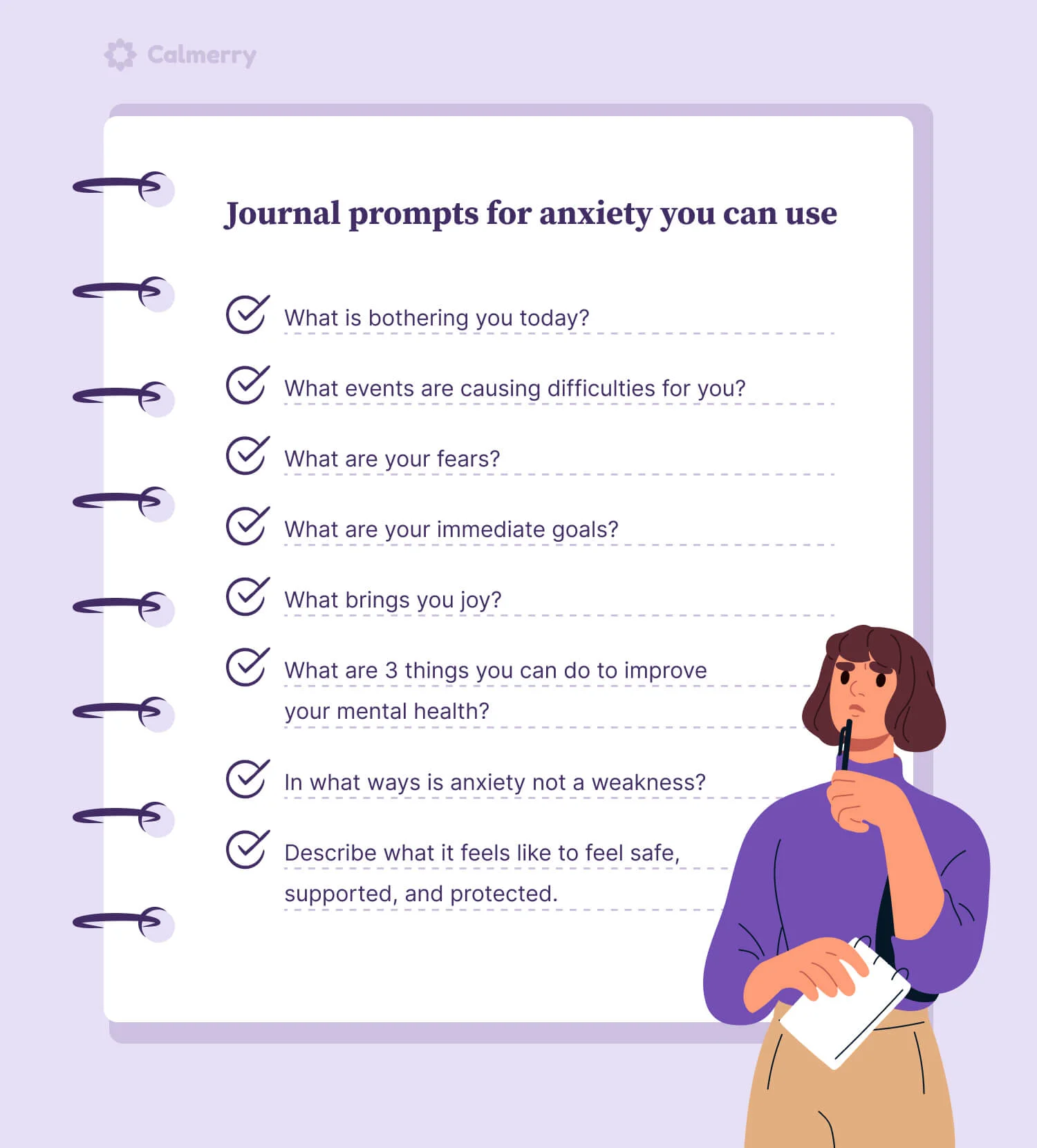
Free writing invites you to pour out all thoughts without concern for structure or grammar. This brain dump style can untangle complicated feelings and reveal hidden worries. In contrast, guided prompts direct your focus to specific topics like fears, gratitude, or stressors. Both approaches have value and can be combined. Explore which method resonates more during different moments, or alternate between them to keep the process fresh and insightful.
Incorporating Mindfulness and Emotional Awareness
Mindfulness enhances journaling by encouraging present-moment observation without judgment. Pay attention to bodily sensations and emotions as you write. This awareness deepens understanding and calms anxiety. Labeling feelings accurately helps in recognizing patterns and triggers. Mindful journaling transforms passive writing into active emotional exploration, fostering a compassionate and clear perspective of your mental state.
Step 3: Reflecting and Processing Your Entries
Identifying Anxiety Triggers and Patterns
Regular review of your journal can uncover consistent sources of anxiety. Look for recurring themes, situations, or thoughts that provoke stress. Tracking these triggers allows you to anticipate and manage your emotional responses more effectively. Sometimes patterns emerge slowly, so patience is key. Recognizing these connections empowers you to create actionable plans and reduce their impact on daily life.
Transforming Negative Thoughts into Positive Action
Journaling provides a space to confront negative thoughts and consciously shift them toward positive alternatives. After identifying harmful beliefs, practice reframing them in a more supportive and realistic way. This process nurtures positive self-talk, boosting confidence and emotional resilience. Writing can also inspire setting small goals or affirmations that lead to meaningful behavioral changes.
Step 4: Advanced Journaling Strategies for Emotional Clarity
Using Visualization and Affirmations in Writing
Integrate visualization techniques by describing hopeful scenarios or desired emotional states in your journal. Affirmations—positive, present-tense statements—reinforce a healthier mindset. Writing these regularly helps rewire negative thought patterns and builds a stronger sense of self. This strategy enriches journaling by combining cognitive and emotional focus, enhancing clarity and motivation.
Tracking Progress Over Time
Maintaining a journal over weeks or months reveals how your emotional landscape evolves. Document changes in anxiety levels, coping strategies, and overall wellbeing. Celebrate small victories and note setbacks without judgment. This historical record offers insight into what works and where further effort is needed. Seeing progress can be encouraging and helps sustain the journaling habit through challenging periods.
Additional Tips for Maintaining Your Journaling Habit
Dealing with Writer’s Block and Motivation Slumps
It’s normal to encounter resistance or lack inspiration at times. When stuck, try switching your method—draw, list, or write a letter you might not send. Allow yourself to write imperfectly; don’t aim for polished narratives. Keeping a journal handy ensures you can capture thoughts spontaneously. Treat journaling as a personal relaxation time rather than a chore. These small shifts can renew motivation and ease the pressure to “perform”.
When to Seek Professional Support Alongside Journaling
While journaling is a helpful self-care technique, it’s not a substitute for therapy when deeper issues arise. If anxiety persists or worsens, consider consulting a mental health professional. Journaling can complement therapy by providing material to discuss and insights to explore. Recognize that healing often requires a combination of strategies. Use your journal as a supportive tool within a broader approach to emotional health.