Understanding the Challenge of Balancing Family and Work
The Modern Work-Family Conflict
In today’s fast-paced world, juggling the demands of a career alongside family responsibilities can feel like an endless tug-of-war. Imagine Sarah, a marketing manager and mother of two, who frequently finds herself answering emails late into the night after her children have gone to bed. Her story is far from unique. The boundaries between work and home have blurred, especially with remote work becoming more prevalent. This constant overlap makes it difficult to give full attention to either domain without feeling drained.
Common Signs of Overwhelm
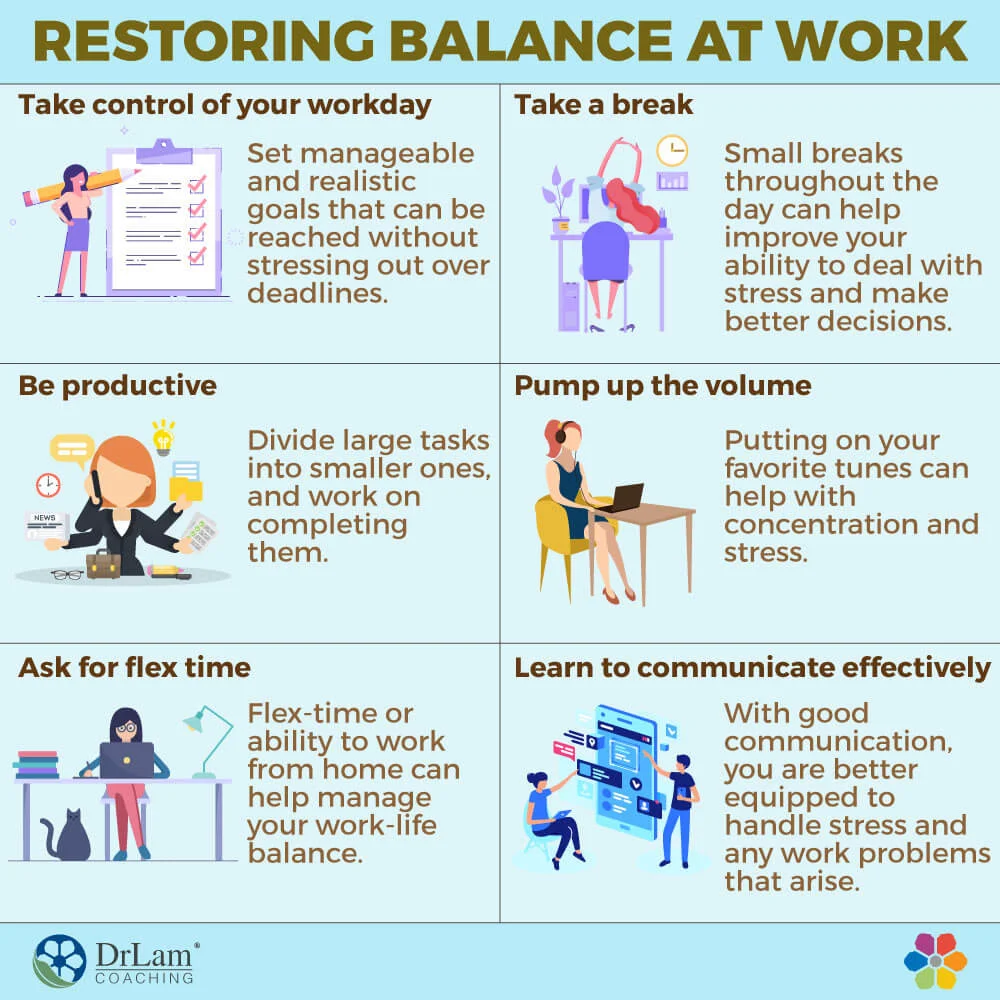
Often, the strain of balancing these worlds manifests in everyday life through subtle but telling signs. For instance, John, a single dad who works in IT, began noticing he was frequently irritable and distracted during family dinners. He struggled to fall asleep because his mind was preoccupied with unfinished work tasks. Such experiences reflect common symptoms of overwhelm: persistent fatigue, difficulty focusing, and emotional exhaustion. Recognizing these early signs is critical in preventing burnout and finding a better equilibrium.
Effective Time Management Techniques
Prioritization Strategies for Busy Parents
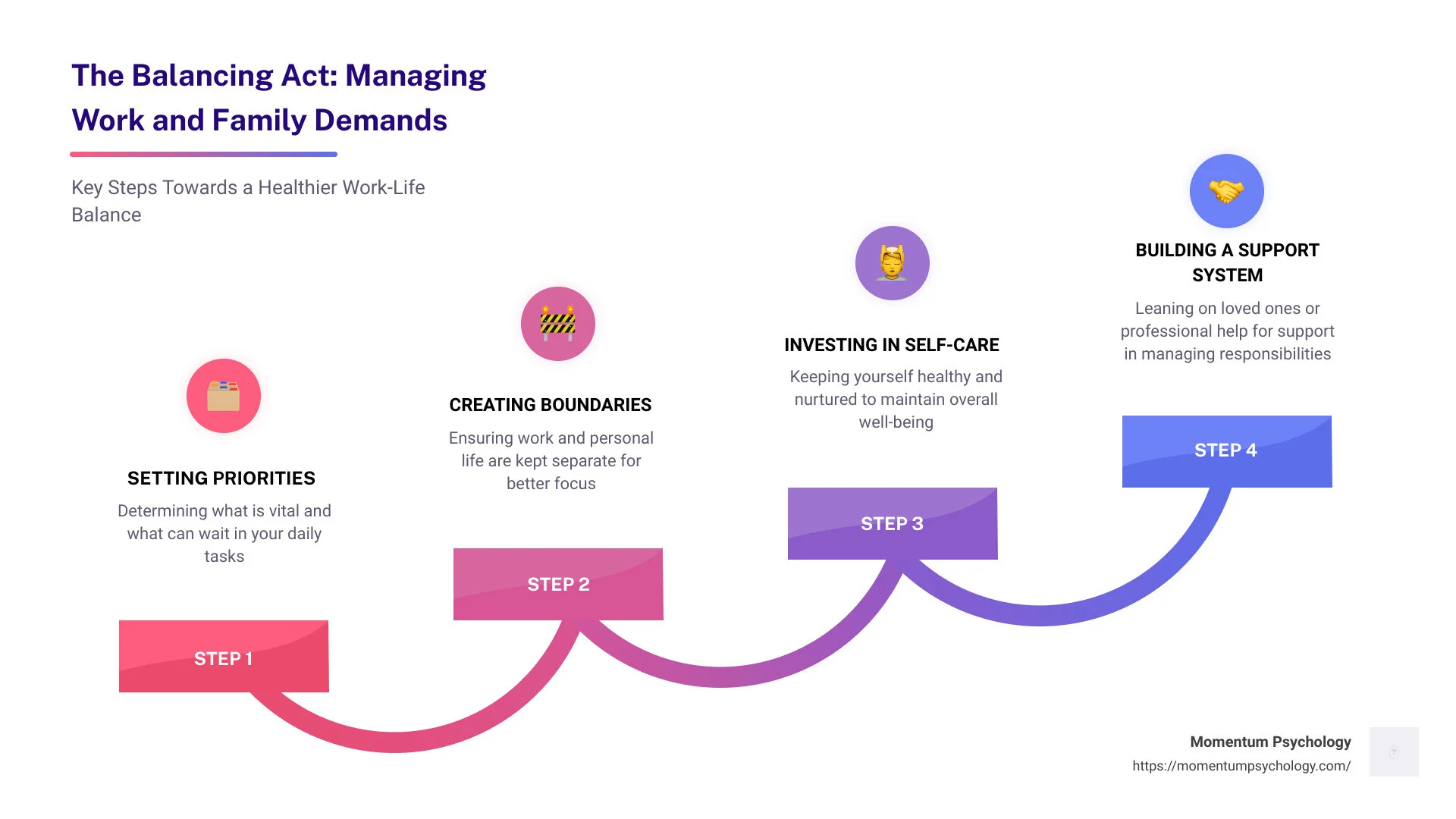
One of the most practical ways to ease the load is by prioritizing tasks based on urgency and importance. Maria, who balances her job as a teacher with raising three kids, shared how she started identifying “non-negotiables” each day—like bedtime stories and grading assignments—and scheduled them first. This approach helped her focus on what truly mattered without getting sidetracked by less crucial activities. By setting realistic daily goals and focusing on completing one task before moving to the next, parents can reduce the chaos and create pockets of quality time both at work and home.
Utilizing Technology to Streamline Schedules
Modern technology offers valuable tools to organize life’s many responsibilities. Using a digital calendar, like Google Calendar, can help keep track of appointments, deadlines, and family events in one accessible place. For example, David and Lisa, a couple working in finance and healthcare, share a family digital calendar that alerts them to their children’s school events and each other’s work meetings. This simple yet effective method fosters better coordination and minimizes last-minute stress. However, it’s essential to stay disciplined about updating and consulting the calendar daily to reap its full benefits.
Setting Boundaries to Protect Family Time
Communicating Needs at Work and Home
Clear communication is pivotal when establishing boundaries that honor both work and family commitments. Take Anna, who negotiated with her employer to set “no-meeting” blocks during family dinner times. She also openly discusses her daily goals with her spouse, ensuring everyone understands when she needs focused work time versus family interaction. By articulating these needs, Anna prevents misunderstandings and fosters mutual respect, which strengthens both her professional and personal relationships.
Creating Tech-Free Family Zones
The pervasive presence of devices can often dilute the quality of family interactions. To counter this, some families set aside specific times or areas free from screens. For example, the Thompsons set a rule of no phones at the dinner table and designate Sunday afternoons as “no tech” time, focusing on board games or outdoor activities instead. This intentional pause from digital distractions allows deeper connections and helps everyone recharge emotionally.
Building a Support System
Leveraging Extended Family and Community Resources
No one should have to navigate the balance alone. Many parents find relief by tapping into extended family and local community networks. Rachel, a freelance graphic designer, relies on her parents to watch her children a few afternoons a week, which frees her to meet tight project deadlines. Additionally, local parenting groups or childcare cooperatives offer shared resources that ease the load. Building such support systems not only spreads responsibilities but also enriches family life with diverse experiences and relationships.
Partnering with Employers for Flexibility
Workplace flexibility can be a game-changer for parents striving for balance. When Michael approached his manager to discuss flexible working hours, he was able to shift his start time so he could drop his son at school. This adjustment improved both his productivity and peace of mind. Many organizations now recognize that accommodating family needs benefits employee engagement and retention. Open dialogue with employers about scheduling options and workload expectations is therefore essential.
Self-Care as a Foundation for Balance
Recognizing Personal Limits
Often, parents push themselves too hard, neglecting their own well-being in the process. Recognizing when you’re reaching your limit is vital. For instance, Emma, a nurse and mother of one, realized she was becoming increasingly forgetful and short-tempered. By acknowledging these stress signals, she decided to delegate some household chores and carve out time just for herself. Understanding personal limits is not a sign of weakness but a necessary step to maintain stamina for the long haul.
Incorporating Relaxation and Mindfulness Practices
Integrating moments of relaxation into daily routines sustains mental and emotional health. Mark, a busy lawyer, begins his day with ten minutes of mindfulness meditation which helps reduce his anxiety and improves focus throughout the day. Simple practices such as deep breathing, short walks, or even a few moments of quiet reflection can re-center one’s energy and foster resilience. Including these rituals consistently makes managing the demands of family and work far less overwhelming and more rewarding.