Understanding the Importance of Dynamic Stretching Before Running
How Dynamic Stretching Enhances Performance
Dynamic stretching plays a crucial role in preparing the body for physical activity, especially running. By moving joints and muscles through their full range of motion, dynamic stretches help increase flexibility and mobility. This preparation primes muscles to contract more efficiently and respond more quickly during runs. As a result, runners often experience smoother strides and enhanced overall performance. These active movements also create a neurological connection between the brain and muscles, which promotes better coordination and balance while running.
Difference Between Dynamic and Static Stretching
It is important to distinguish dynamic stretching from static stretching to fully understand their roles in a running routine. Dynamic stretches involve controlled, active movements that warm up the muscles by mimicking motions similar to those done during running. On the other hand, static stretching involves holding a stretch in a fixed position for an extended period, typically used after exercise to improve flexibility and reduce muscle tightness. While dynamic stretching is ideal before running to prepare the muscles and joints for activity, static stretching is better suited for cool-down sessions.
Key Benefits of Dynamic Stretching for Runners
Injury Prevention Mechanisms
One of the primary benefits of dynamic stretching is its ability to reduce the risk of injury. When muscles and joints are warmed up and mobilized through dynamic movement, they become more pliable and less prone to strains or sprains. This type of stretching also enhances the elasticity of muscles, providing better shock absorption during impact. Furthermore, dynamic stretching helps activate the muscles that stabilize the joints, creating a stronger support system for running-related stresses.
Improved Blood Flow and Muscle Activation
Dynamic stretching increases blood circulation to muscles, which delivers more oxygen and nutrients while also removing metabolic waste products. This enhanced blood flow can reduce muscle stiffness and improve muscle responsiveness. Activating muscles before running prepares them to generate more power and endurance throughout the activity. Rather than passively holding a muscle in place, dynamic stretching engages multiple muscle groups in succession, leading to better overall readiness for a run.
Top Dynamic Stretching Routines to Incorporate Before Running
Leg Swings: Front-to-Back and Side-to-Side
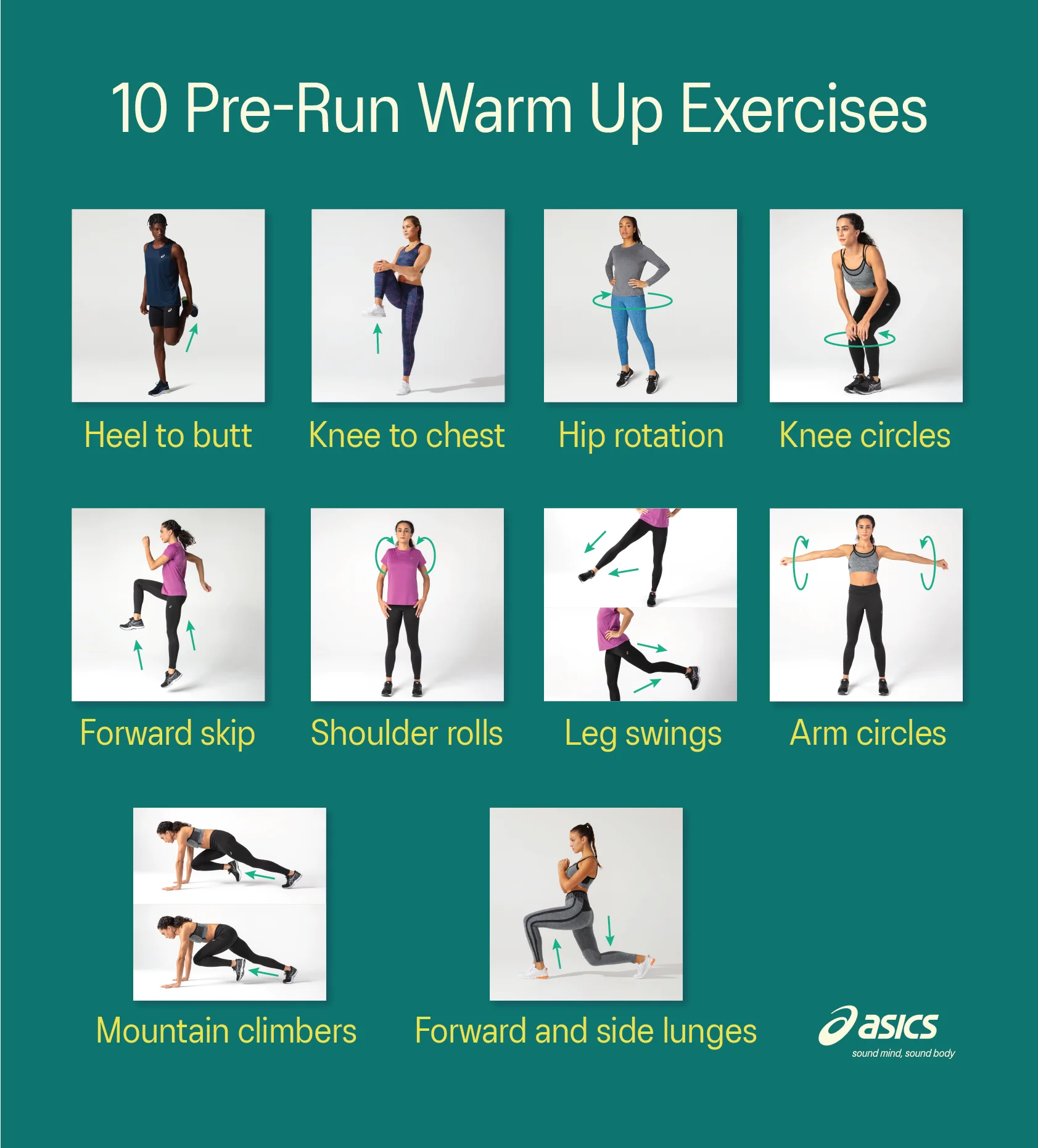
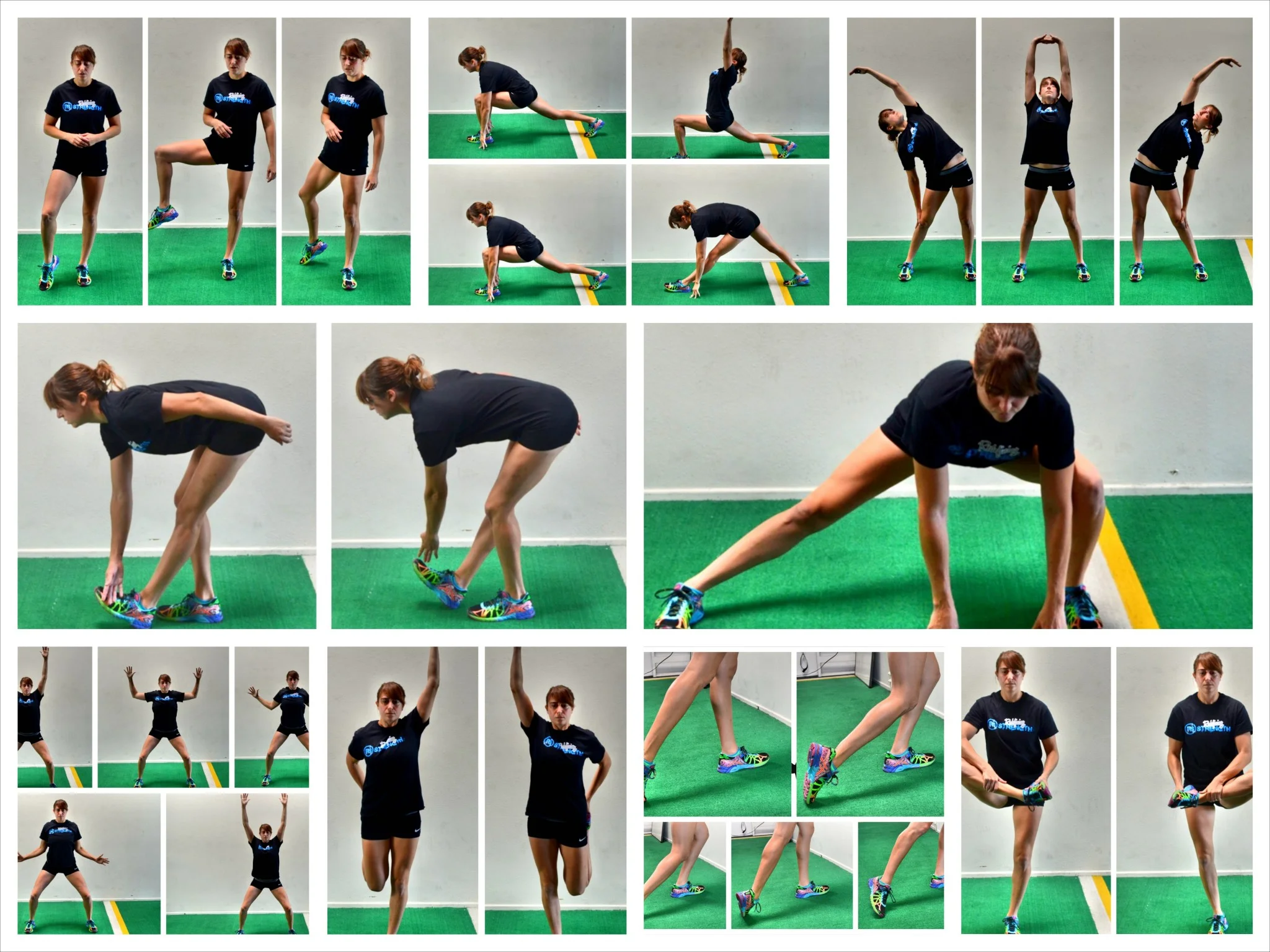
Leg swings are a simple yet effective dynamic stretch that targets the hips, hamstrings, and glutes. Performing front-to-back swings helps loosen the hip flexors and hamstrings, which are heavily involved in running. Side-to-side swings open up the hip abductors and adductors, fostering lateral flexibility and stability. Doing about 10 swings per leg in each direction gradually increases range of motion and prepares the hips for running motions.
Walking Lunges with a Twist
Walking lunges, especially when combined with a gentle torso twist, work multiple muscle groups simultaneously. This dynamic stretch targets the quads, glutes, and hamstrings while also engaging the core through the twisting motion. Taking 10 to 12 steps per leg provides a comprehensive warm-up that mimics running strides, enhancing muscle coordination and balance. The twist further activates the spinal muscles, which aids in maintaining good posture during running.
Butt Kicks and High Knees
Butt kicks and high knees both serve as dynamic movements that elevate the heart rate while activating key running muscles. Butt kicks engage the hamstrings and promote knee flexion, preparing these muscles for the repetitive bending involved in running. High knees target the hip flexors and calves, stimulating quick foot turnover and knee drive. Performing high knees for 30 to 60 seconds is an excellent way to simultaneously warm the cardiovascular system and prime the muscles for action.
Customizing Your Dynamic Stretching Warm-Up
Adjusting Intensity Based on Running Distance
The duration and intensity of a dynamic stretching routine should vary depending on the planned running distance. For shorter runs, a brief 5-minute session focusing on core dynamic stretches can be sufficient to activate the muscles without excessive fatigue. However, for longer distances or more intense running sessions, extending the warm-up time and increasing the range and repetition of stretches help ensure that muscles are fully prepared for sustained effort. Adjusting intensity reduces injury risk by matching muscle preparation to the demands of the run.
Modifications for Different Fitness Levels
Not all runners have the same flexibility or fitness level, so dynamic stretching routines can be modified accordingly. Beginners might start with slower, smaller movements to build comfort and mobility gradually. Advanced runners can increase the speed and range of movement or incorporate more complex dynamic stretches to challenge their muscles further. Listening to the body and adjusting movements to match one’s abilities promotes safer stretching practices and more effective warm-ups.
Common Mistakes to Avoid in Dynamic Stretching
Overstretching and Its Risks
While it’s important to warm up muscles fully, overstretching during dynamic routines can lead to muscle strain or joint discomfort. Stretching beyond a comfortable range or forcing movements may cause micro-tears or reduce muscle strength temporarily. It is essential to perform stretches gently and progressively, focusing on smooth, controlled motions rather than aggressive pushes. Avoiding overstretching maintains the integrity of muscles and joints before running.
Ignoring Muscle Groups That Need Attention
Focusing dynamic stretching on only a few muscle groups while neglecting others can contribute to imbalances and increase injury risk. For runners, tightness in calves, hip flexors, and the iliotibial (IT) band are common issues that require attention in warm-ups. Skipping stretches for these areas leaves muscles unprepared and prone to strain. A balanced dynamic routine that addresses all major muscle groups involved in running promotes overall mobility and better injury prevention.
Integrating Dynamic Stretching Into Your Pre-Run Routine
Timing and Duration for Maximum Effect
Performing dynamic stretches immediately before running maximizes their effectiveness. Ideally, a 5 to 10-minute routine allows muscles to gradually warm up and prepares the body without causing unnecessary fatigue. Stretching too early before a run may result in muscles cooling down, while stretching too quickly might not give muscles enough time to activate. Timing dynamic stretching to flow directly into the run helps transition the body seamlessly into activity.
Combining Stretching With Cardiovascular Warm-Ups
For a comprehensive pre-run preparation, dynamic stretching is best combined with light cardiovascular warm-ups such as brisk walking or easy jogging. This combination gradually increases heart rate and blood flow while activating muscles. Starting with a few minutes of light cardio primes the cardiovascular system, then performing dynamic stretches engages the muscles and joints further. Together, these activities enhance overall readiness and help create a safer, more effective running session.