Why Choose Natural Ingredients for Fall Skincare?
The Benefits of Seasonally Adapting Your Routine
As the vibrant hues of summer give way to the crisp chill of fall, our skin undergoes a significant transition. Cooler temperatures and lower humidity levels often lead to dryness, dullness, and even irritation. By adjusting your skincare regimen to align with these seasonal changes, you’re giving your skin the best chance to remain hydrated and healthy. Natural ingredients, in particular, offer a gentle yet powerful way to nourish the skin, supporting its barrier and restoring moisture.
Replacing summer’s lightweight products with richer, moisture-locking ingredients helps combat the moisture loss that fall’s dry air causes. When your skin feels more comfortable and less irritated, it reflects in your overall radiance and texture. Embracing this shift is not just about protecting skin, but about enhancing its resilience as it adapts to a new environment.
How Natural Ingredients Enhance Skin Hydration
Natural ingredients often come packed with vitamins, antioxidants, and essential fatty acids that work harmoniously with your skin. Ingredients like hyaluronic acid and ceramides, though often found in synthetic forms, are originally derived from natural compounds. They replenish moisture by drawing water into the skin and strengthening its protective barrier, which is especially vulnerable during fall.
What sets natural ingredients apart is their ability to soothe irritation while providing lasting hydration — a crucial factor in dry, cool weather. They help restore the lipid layer that cold winds and decreased humidity strip away. More than just moisturizing, these elements protect skin from the environmental stressors that intensify in autumn, like wind and residual sun damage from summer months.
Top Hydrating Natural Ingredients for Autumn
1. Pumpkin Seed Oil: Nutrient-Rich Moisturization
Pumpkin seed oil is a powerhouse packed with essential fatty acids, vitamins A and E, and antioxidants that deeply nourish the skin. These nutrients work together to replenish and maintain hydration, while also supporting skin elasticity—an important consideration as the skin tends to feel tighter and less supple in fall.
Its lightweight texture absorbs easily without clogging pores, making it suitable for most skin types. Beyond its moisturizing benefits, pumpkin seed oil can soothe inflammation caused by environmental factors, helping your skin transition smoothly into cooler months.
2. Shea Butter: Deep Nourishment for Dry Skin
Shea butter is a staple for anyone combating dry, dehydrated skin in fall. Rich in vitamins and fatty acids, it provides intense nourishment and forms a protective barrier on the skin’s surface. This barrier locks in moisture, preventing the skin from losing hydration to the dry air around it.
Its creamy consistency makes it ideal for use in thicker moisturizers applied during evening routines or on particularly dry areas like elbows and cheeks. Shea butter’s ability to soothe irritated and flaky skin is invaluable when facing the harshness of fall weather.
3. Honey: Nature’s Humectant for Lasting Hydration
Honey is nature’s humectant, meaning it attracts and retains moisture. It’s perfect for keeping skin hydrated throughout the day, especially when combined with other moisturizing ingredients like glycerin or aloe. Its antimicrobial properties also help maintain skin health by preventing breakouts caused by dryness and irritation.
Applying honey as part of a mask or moisturizer helps refresh dull, tired skin and can aid in softening rough texture. It’s one of those natural ingredients that feels like a gentle treat to your skin while packing a hydration punch.
Aloe Vera: Soothing and Moisture-Retaining Properties
Aloe vera is well-known for its soothing effects, making it an ideal ingredient to calm the redness and sensitivity that often accompanies the fall season. It also boasts excellent moisture-retaining qualities, helping to prevent dehydration especially around delicate areas like the eyes.
Whether used as a gel or incorporated into cleansers and creams, aloe vera helps repair the skin’s moisture barrier while providing a refreshing boost. It’s a natural way to keep your skin feeling light yet hydrated when heavier creams might feel too much.
Incorporating These Ingredients Into Your Fall Beauty Regimen
DIY Face Masks and Serums Using Natural Extracts
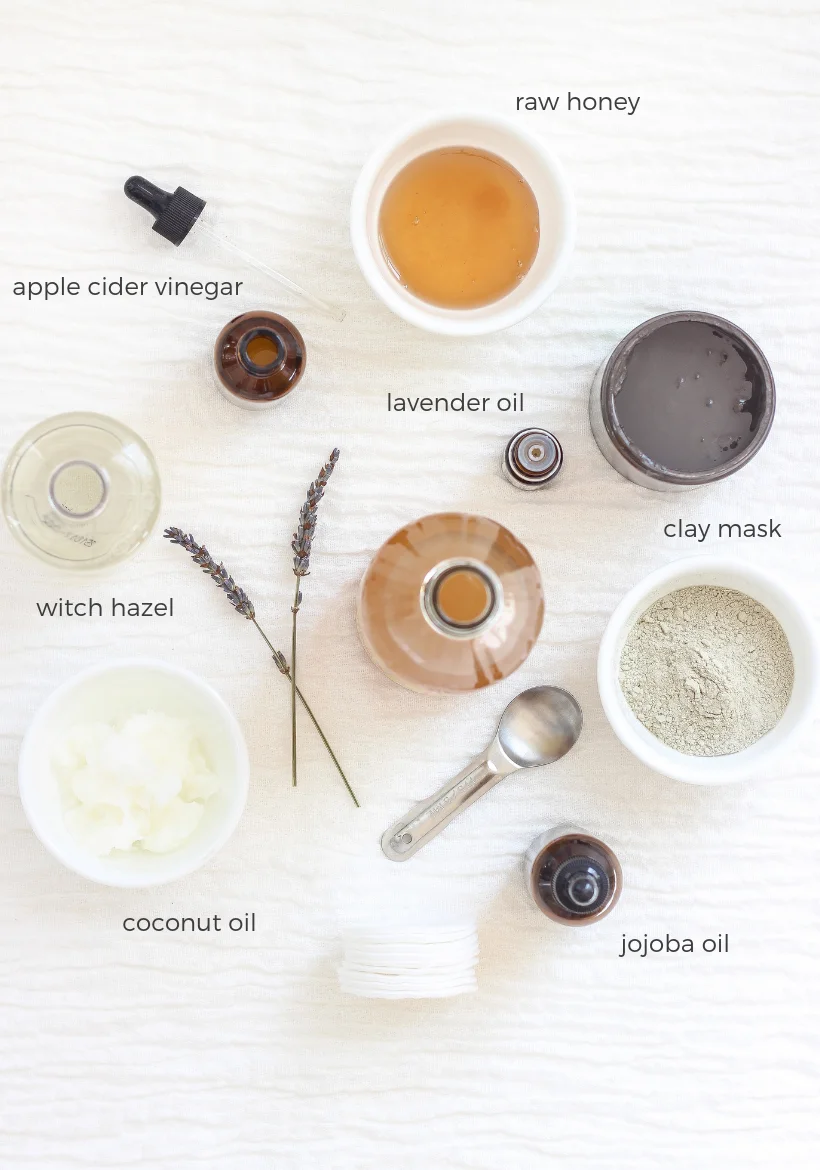
One of the joys of fall skincare is experimenting with simple, nourishing recipes at home. You can create your own hydrating face masks by blending pumpkin seed oil with honey for a nutrient-rich treatment. Aloe vera gel mixes well with a few drops of shea butter or even a teaspoon of honey to create a soothing mask that calms dry, irritated skin.
Serums infused with natural extracts offer targeted benefits. For example, a DIY serum combining aloe vera and pumpkin seed oil can replenish moisture without feeling heavy, perfect for layering before a richer moisturizer. These homemade treatments allow you to connect with your skin’s needs while using pure, wholesome ingredients.
Choosing Commercial Products With Authentic Ingredients
If DIY isn’t your style, look for skincare brands that emphasize natural, hydrating ingredients like those discussed. When browsing products, check labels for pumpkin seed oil, shea butter, honey, and aloe vera as key components. Many high-quality serums, creams, and cleansers now combine these ingredients with scientifically backed elements like hyaluronic acid and ceramides for enhanced hydration and skin barrier support.
Opt for formulations that balance moisture with antioxidant protection to safeguard against free radicals and environmental stressors common in fall. Consistent use of these products will help your skin maintain its glow and resilience throughout the season.
Additional Tips to Maximize Hydration This Fall
Hydration Boosting Habits Beyond Skincare
Hydrated skin starts from within, so don’t underestimate the power of drinking plenty of water even when temperatures drop. Eating a diet rich in omega fatty acids—found in foods like salmon, walnuts, and flaxseed—can also support your skin’s natural barrier and moisture retention.
Avoid long, hot showers which strip away natural oils, and consider using a humidifier indoors to add moisture back into dry air. These small lifestyle adjustments work hand in hand with your skincare routine to keep your skin dewy and comfortable.
Environmental Factors to Consider in Cooler Months
Fall introduces new challenges for your skin, from chilly winds to dry indoor heating. These environmental stressors can weaken your skin barrier, making hydration more difficult to maintain. It’s important to shield your face with protective layers—a scarf for your jawline and hydrating products rich in ceramides and squalane are your allies here.
Also, don’t neglect sunscreen even as the temperatures drop. UV rays can still damage skin, exacerbating dryness and dullness. Combining sun protection with antioxidants like vitamin C ensures your skin is guarded against free radicals and environmental aggressors.