Understanding the Basics: What is the Standard American Diet?
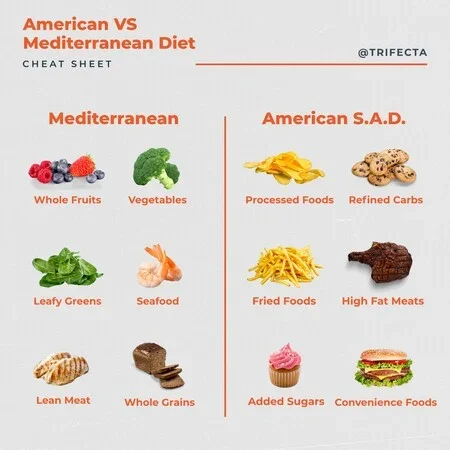
Imagine a typical weekday morning for many Americans: grabbing a quick bagel or sugary cereal, followed by fast food or heavily processed lunch items, and ending the day with a large portion of red meat and high-fat dairy. This common eating pattern is known as the Standard American Diet (SAD). Characterized by high consumption of refined grains, processed foods, sugary beverages, and saturated fats, the SAD often falls short in delivering essential nutrients necessary for long-term health. Its link to rising rates of heart disease, diabetes, and obesity paints a concerning picture for many who rely on convenience and flavor over nutrition.
For example, Samantha, a busy marketing executive, found herself consuming packaged snacks and refined carbs throughout her workday. Despite feeling sluggish and frequently battling minor illnesses, she assumed it was just her busy lifestyle. What she didn’t realize was how deeply ingrained the SAD was impacting her health and wellbeing.
Introduction to the Mediterranean Diet
Key Components and Health Benefits

In contrast, the Mediterranean diet draws inspiration from the traditional eating patterns of mid-20th century Mediterranean countries. It emphasizes an abundance of plant-based foods like fresh vegetables, fruits, whole grains, nuts, and legumes. Extra virgin olive oil, a heart-healthy fat, replaces butter and margarine as the primary fat source. Fish and poultry are consumed moderately, while red meat is reserved for occasional enjoyment. Cheese and yogurt add beneficial dairy, and moderate wine intake often accompanies meals.
One compelling reason Anna, a school teacher, embraced the Mediterranean approach was after her doctor explained how this diet lowers risks of cardiovascular disease, improves brain health, and supports longevity. She noticed improvements in her energy and digestion within weeks of rerouting her meals with Mediterranean staples.
How It Differs from the Standard American Diet
Unlike the SAD, which often relies on processed, nutrient-poor foods loaded with saturated fats and sugars, the Mediterranean diet focuses on natural, fresh ingredients while minimizing highly processed meals. Rather than a restrictive regimen, it’s a flexible lifestyle that values quality food sources and mindful eating. The social aspect—eating together as a family or community—is another distinct feature, fostering connection along with nourishment.
Preparing for the Transition: Mindset and Goals
Setting Realistic Expectations
Transitioning away from old habits can be daunting. John, a retiree, initially tried to overhaul his diet overnight but quickly felt overwhelmed and gave up. Learning from his experience, he adopted a more patient approach, setting small, achievable goals like adding an extra serving of vegetables daily. Viewing the change as a gradual, ongoing journey rather than a quick fix greatly improved his success.
Tracking Your Current Eating Habits
Before making any changes, take time to honestly assess what your typical diet looks like. Keeping a food journal for a week—jotting down meals, snacks, and beverage choices—helps reveal patterns and pinpoint areas needing improvement. This clarity provides a solid foundation upon which to build sustainable Mediterranean habits.
Step 1: Gradually Replace Processed Foods
Identifying Common Processed Items in SAD
For many, processed snacks like chips, cookies, and sugary drinks dominate daily eating. These items contribute excess calories with little nutritional value and often contain unhealthy fats, sugars, and additives.
Healthy Mediterranean Substitutes
Rather than cutting them out abruptly, try replacing processed snacks with nutritious Mediterranean alternatives. For instance, a handful of raw nuts or olives can satisfy salty cravings while supporting brain and heart health. Instead of soda, water or sparkling water with a splash of lemon can quench thirst without added sugars. These substitutions not only enhance nutrient intake but also retrain taste buds towards more wholesome flavors over time.
Step 2: Incorporate More Plant-Based Foods
Fruits, Vegetables, and Whole Grains
One of the most noticeable shifts when adopting the Mediterranean diet is the surge in colorful fresh produce and whole grains. Imagine a lunch plate full of leafy greens, cherry tomatoes, quinoa, and a drizzle of olive oil. These foods boost fiber, antioxidants, and essential vitamins, contributing to overall vitality.
Maria, a mother of three, started adding a side salad to every meal and experimenting with different vegetables weekly. This approach kept her meals exciting and ensured she met the daily goal of 3-4 servings of vegetables easily.
Legumes and Nuts as Protein Sources
Moving away from reliance on red meat means welcoming legumes such as lentils, chickpeas, and beans into your plate more frequently. These foods offer excellent plant protein and fiber. Nuts, consumed in moderation, provide healthy fats and make convenient snacks. By including these regularly, many notice improved digestion and sustained energy.
Step 3: Swap Out Unhealthy Fats for Olive Oil
Why Olive Oil is a Heart-Healthy Choice
Extra virgin olive oil is the cornerstone of the Mediterranean diet’s fat profile. Unlike saturated fats found in butter and certain dairy, olive oil contains monounsaturated fats and antioxidants that protect the heart and reduce inflammation. For Robert, a man managing high cholesterol, replacing butter with olive oil in cooking led to improved blood lipid levels and a greater sense of wellbeing.
Tips for Cooking and Dressing with Olive Oil
Using olive oil need not be complicated. It works beautifully for sautéing vegetables, as a salad dressing base, or simply drizzled over breads or cooked grains. Start with small swaps, such as using olive oil instead of butter on toast or in scrambled eggs. Storing olive oil in a cool, dark place preserves its quality and health benefits.
Step 4: Introduce Seafood and Lean Proteins
Weekly Fish Intake Recommendations
Aiming for two to three servings of fish per week is a Mediterranean staple. Salmon, sardines, and mackerel are rich in omega-3 fatty acids, supporting heart and brain health. Jessica, a young professional, found that adding grilled salmon twice a week replaced her usual fried chicken dinners, improving her energy and reducing her reliance on anti-inflammatory medications.
Alternatives for Non-Seafood Eaters
For those who don’t eat fish, lean poultry like chicken or turkey serves as a good substitute in moderate amounts. Plant-based proteins such as legumes and nuts also provide excellent alternatives. Consulting with a dietitian can help tailor choices to preferences while ensuring nutritional needs are met.
Personalizing Your Mediterranean Eating Plan
Meal Planning and Recipe Ideas
Adjusting to a new diet is easier with practical meal ideas. Consider preparing a vegetable omelet with herbs for breakfast, Greek salad with feta and olives for lunch, or grilled vegetable kabobs paired with whole-grain farro for dinner. Weekend meal prep or slow cooker recipes save time during busy weekdays while keeping meals delicious and aligned with Mediterranean principles.
Adjusting Portions and Preferences
Not everyone has the same calorie or nutrient requirements. Adapting portion sizes and meal frequencies to individual lifestyle and hunger cues is key. For instance, athletes may need larger servings of whole grains and proteins, while older adults might focus on calcium and iron-rich choices. Flexibility, rather than rigidity, sustains long-term adherence.
Addressing Common Challenges
Overcoming Cravings for Processed Foods
Cravings are natural during dietary changes. When John felt tempted by sweets and salty snacks, he found that having a well-stocked drawer of mixed nuts, seeds, and dried fruits helped curb urges with healthier options. Slowly, his palate adjusted, and these nutrient-dense snacks became his go-to choice.
Eating Out While Staying Mediterranean
Dining out presents a challenge for many transitioning to the Mediterranean diet. Choosing restaurants that offer vegetable-forward dishes, seafood, or grain-based salads makes sticking to your plan easier. For example, ordering grilled fish with a side of roasted vegetables or a Greek salad avoids common pitfalls of fried or heavily processed restaurant fare.
Monitoring Progress and Staying Motivated
Health Markers to Watch
Tracking improvements in blood pressure, cholesterol levels, weight, and even mental clarity can motivate persistence. After several months, many notice better sleep, increased stamina, and mood stability. Regular medical check-ups help confirm the positive impact of these dietary changes.
Celebrating Small Wins
Acknowledge every achievement, no matter how small. Whether it’s trying a new vegetable, cooking a homemade Mediterranean meal, or resisting a sugary beverage, these milestones build confidence and reinforce your commitment. Sharing progress with friends or joining support groups can provide accountability and encouragement.
Conclusion: Embracing a Lifelong Mediterranean Lifestyle
Transitioning from the Standard American Diet to the Mediterranean way of eating is less about perfection and more about progress. It’s a journey marked by thoughtful choices, gradual changes, and a focus on wholesome, flavorful foods. Beyond physical health, embracing the social and mindful eating elements promotes deeper connections and a greater appreciation for meals. As users like Anna, John, and Maria discovered, adopting Mediterranean principles can transform not just what’s on your plate, but how you live your life.