Introduction to Acupressure Mats
What Are Acupressure Mats?
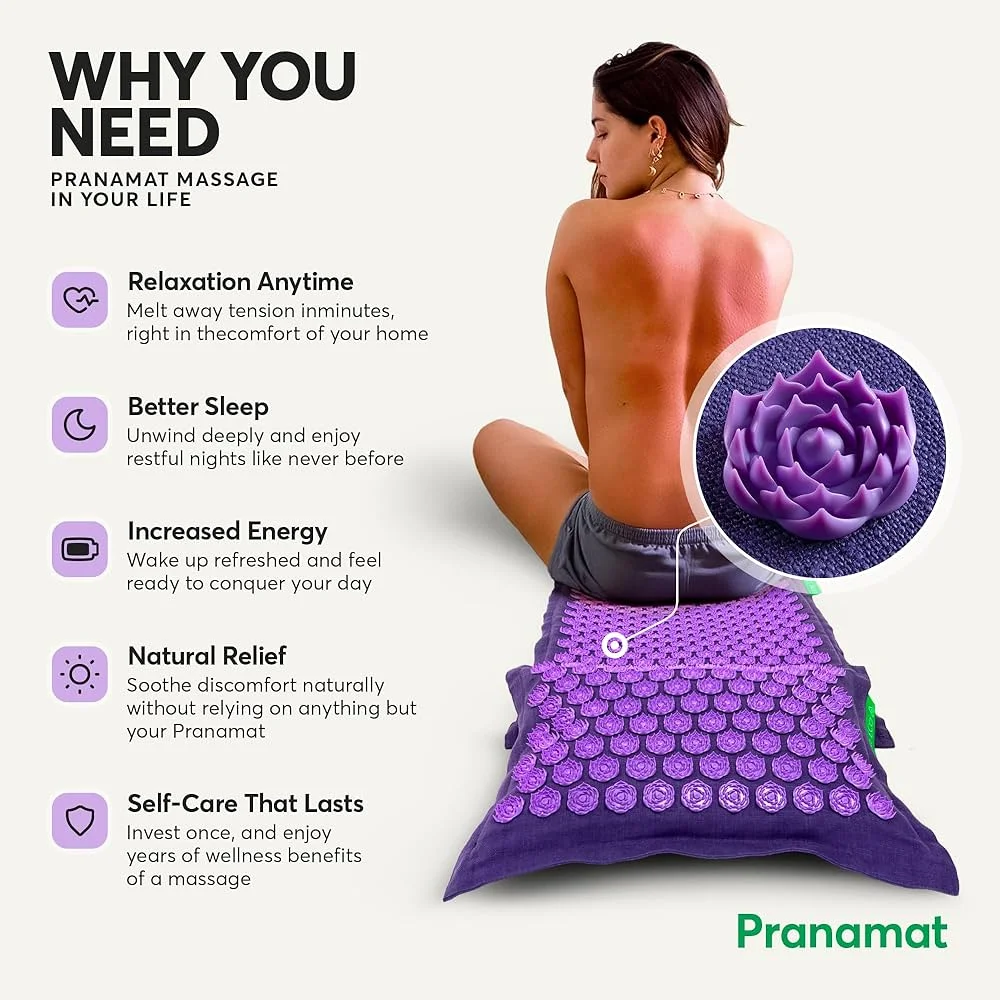
Acupressure mats are specially designed mats covered with small, evenly spaced plastic spikes that stimulate key pressure points on the body. When a person lies down on the mat, these spikes apply gentle pressure to specific areas such as the back, neck, and shoulders. This stimulation mirrors techniques used in traditional acupressure therapy, which focuses on releasing tension and promoting relaxation through targeted touch. Many people use these mats as a simple, non-invasive tool to enhance their overall well-being and particularly to improve sleep quality.
Historical Background and Origins
The concept of acupressure draws from ancient Traditional Chinese Medicine, where pressure points along the body’s meridians were manipulated to balance the flow of energy or “Qi.” Similar methods have been practiced in India and other cultures for thousands of years. The modern acupressure mat is a contemporary adaptation of these age-old techniques, making the benefits of acupressure more accessible in a convenient form. This innovation gained popularity in the West in recent decades as awareness of natural health tools increased, offering a new option for those seeking non-pharmaceutical ways to enhance sleep and reduce stress.
How Acupressure Mats Influence Sleep
The Science Behind Pressure Points and Sleep Regulation
Pressure points activated by acupressure mats correspond to nerves and muscles that play a role in regulating the nervous system. Stimulating these points can encourage the parasympathetic nervous system—the body’s “rest and digest” mode—to engage more fully. When the parasympathetic system is active, heart rate slows, muscles relax, and the mind begins to quiet, paving the way for a smoother transition from wakefulness to sleep. For example, someone struggling with a racing mind at bedtime might find that lying on an acupressure mat helps to anchor their attention in the body, reducing mental chatter and enabling deeper relaxation.
Endorphin Release and Stress Reduction
Another way acupressure mats aid sleep is by triggering the release of endorphins, the body’s natural painkillers and mood enhancers. When these chemicals flood the system, they can reduce sensations of pain and elevate mood, creating a sense of calm that counters the physical discomforts often interfering with restful sleep. For instance, individuals dealing with mild back or neck pain may experience relief after using the mat, which in turn lessens nighttime tossing and turning. The combination of reduced pain and a relaxed mental state contributes to a more restorative sleep experience.
Key Benefits of Using Acupressure Mats for Sleep Improvement
Reducing Insomnia Symptoms
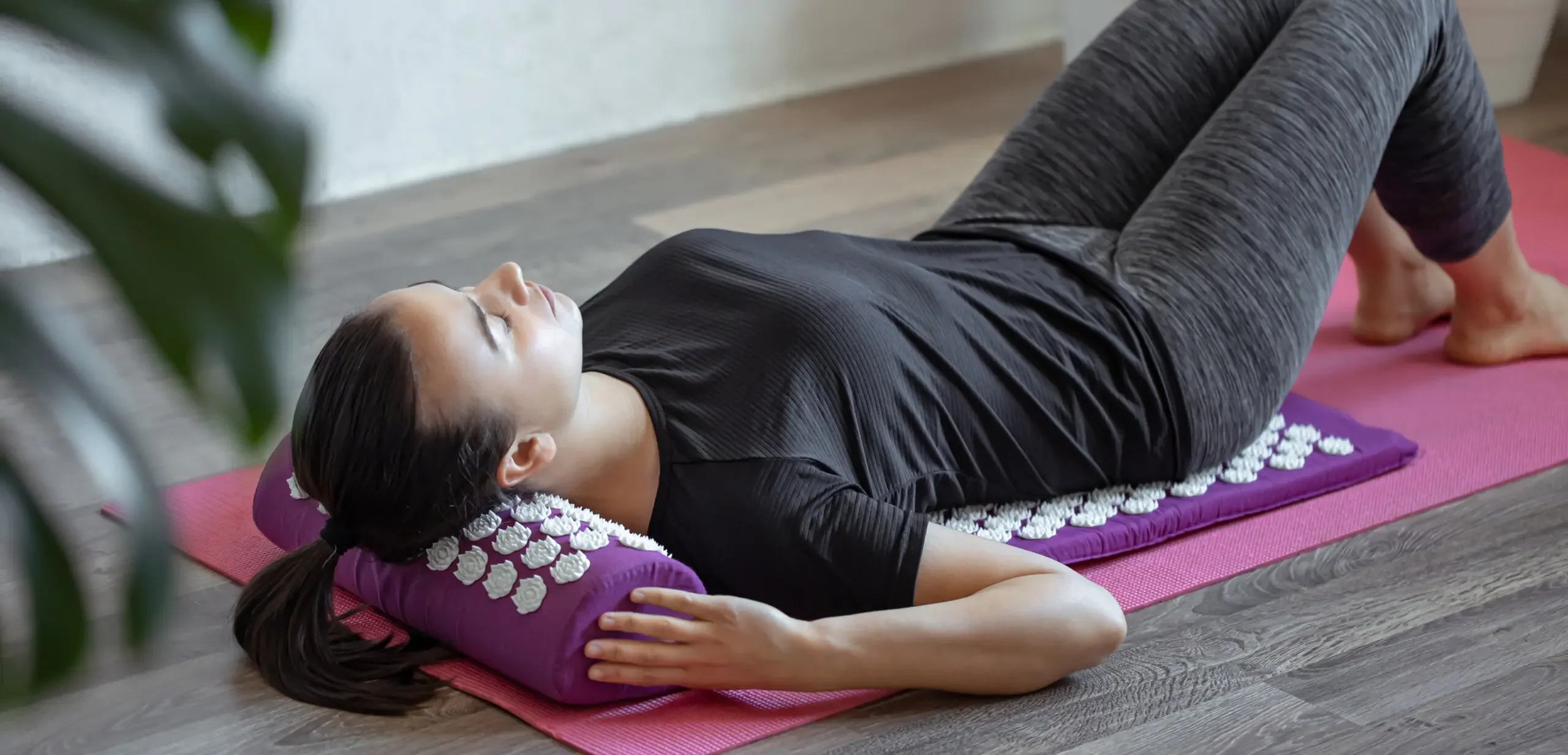
Insomnia often arises from difficulty calming the mind or managing physical discomfort. Acupressure mats provide a natural way to tackle these challenges. A personal story illustrates this: a woman suffering from insomnia due to recurring neck pain found that spending 15 minutes on her acupressure mat before bedtime helped ease the pain and quiet her anxious thoughts. Over a few weeks, the frequency of sleepless nights diminished significantly, showing how this simple practice can reduce insomnia symptoms effectively without relying on external aids.
Enhancing Relaxation Before Bedtime
Many people have trouble creating a consistent, relaxing bedtime routine. Incorporating an acupressure mat can serve as a signal to the body and mind that it’s time to wind down. For example, a man who worked high-stress jobs reported that using the mat in the evening became a ritual that helped separate his workday worries from his night’s rest. This ritualistic use of the mat promotes deep relaxation, helping the nervous system shift gears and preparing the body for a more peaceful sleep cycle.
Improving Sleep Duration and Depth
Beyond just falling asleep, the quality of sleep matters. Users frequently report that after regularly using acupressure mats, they experience longer periods of uninterrupted sleep and wake feeling more refreshed. One individual recovering from menstrual pain noted that the mat not only helped reduce pain but also increased the time spent in deep, restorative sleep stages, which are essential for physical and emotional recovery.
Comparison: Acupressure Mats vs Other Natural Sleep Aids
Effectiveness and Accessibility
Compared to other natural sleep aids such as herbal teas, meditation apps, or white noise machines, acupressure mats offer a tactile, physical form of relaxation. This can be more immediate for those who respond well to touch-based therapies. For example, someone who struggles with focusing during meditation might find greater success with the physical sensation of the mat helping anchor their attention. Moreover, mats do not require a quiet environment or adding substances to the body, making them accessible to broader audiences.
Cost and Convenience
While high-quality acupressure mats represent a modest initial investment, they often cost less over time compared to ongoing expenses like supplements or therapy sessions. The convenience factor is significant too—acupressure mats can be used at home at any time. A young professional shared that having a mat at home allowed for quick relaxation breaks during stressful evenings without having to prepare or consume anything, fitting seamlessly into a busy lifestyle. This ease of use makes them attractive for those seeking simple, repeatable sleep aids.
How to Incorporate Acupressure Mats Into Your Nightly Routine
Best Practices for Maximum Benefits
Starting with the mat can feel challenging due to the initial sensation of the spikes. It’s advisable to begin by lying on the mat with a thin shirt to reduce intensity. For example, a beginner might start with just 10 minutes, focusing on breathing deeply to ease any discomfort. Over time, as tolerance builds, the shirt can be removed for full exposure. Many users find it helpful to position the mat so that it targets the back, neck, and shoulders, combining with an acupressure pillow for additional relief in sensitive areas.
Duration and Frequency Recommendations
Consistency is key. Short daily sessions, especially 10 to 20 minutes before bedtime, can create cumulative relaxation effects. One man shared how gradually increasing his usage from 10 minutes to 30 minutes nightly helped him find the optimal “sweet spot,” after which sleep quality noticeably improved without any discomfort. Establishing this routine emphasizes the importance of patience and listening to the body’s responses rather than rushing into long sessions right away.
Precautions and Who Should Avoid Acupressure Mats
Potential Side Effects
Although generally safe for most users, acupressure mats can cause discomfort or skin irritation if used improperly. People with thin or very sensitive skin might experience bruising or increased sensitivity. Additionally, certain conditions, such as diabetes or pregnancy, warrant extra caution due to increased skin fragility or other health considerations. Ignoring these factors can lead to adverse effects rather than relaxation.
Consulting Healthcare Professionals
Before introducing an acupressure mat into a nightly routine, especially for individuals with underlying health issues or chronic pain, seeking advice from a healthcare professional is recommended. They can help determine whether acupressure mats are appropriate and suggest modifications if necessary. This step ensures that users employ the mat safely and effectively, complementing rather than complicating their overall health approach.
Conclusion: Embracing Natural Sleep Solutions with Acupressure Mats
Acupressure mats offer a unique, natural way to improve sleep quality by addressing both physical and mental barriers to rest. Through the gentle stimulation of pressure points, these mats encourage relaxation, reduce discomfort, and foster longer and deeper sleep. Real-life experiences highlight the practical benefits of incorporating acupressure mats into bedtime routines, showing that with patience and mindful practice, many can enjoy improved nighttime rest without relying on more invasive or costly methods. Embracing this ancient technique in a modern form invites individuals to explore restorative sleep through touch, making the journey to better sleep both accessible and effective.