Understanding Muscle Recovery: The Role of Nutrients
How Muscle Recovery Works After Exercise
Muscle recovery is a complex and essential process that allows the body to repair the damage caused by strenuous exercise. When you engage in high-intensity workouts such as long-distance biking or trail running, microscopic tears occur in muscle fibers. These small injuries trigger an inflammatory response, which, when managed properly, promotes muscle growth and strength improvement. However, without adequate nutrients, the repair process stalls, and muscle soreness or fatigue can persist longer. Recovery involves the replenishment of energy stores, namely glycogen, and the repair of damaged muscle tissue through protein synthesis.
Why Nutrient-Dense Foods Matter for Recovery
The role of nutrient-dense foods in muscle recovery is pivotal because they provide essential building blocks needed to repair and strengthen muscles. Unlike supplements that offer isolated nutrients, whole foods come packed with a balanced array of macronutrients and micronutrients, including proteins, carbohydrates, vitamins, and antioxidants. These components not only fuel the recovery process but also reduce inflammation and muscle soreness. Lean proteins help repair muscle fibers, complex carbohydrates restore glycogen stores, and antioxidants combat oxidative stress induced by exercise. Therefore, focusing on nutrient-rich foods is crucial to expedite recovery without relying on supplements.
Top Whole Foods That Accelerate Muscle Repair
Animal-Based Sources: Protein-Powered Choices
Animal-based foods are a primary source of high-quality protein, delivering essential amino acids necessary for muscle repair and growth. Lean meats like turkey and chicken provide substantial protein without excessive fat content, making them ideal post-workout options. Fatty fish such as salmon, sardines, and trout stand out not only for their protein but also for their omega-3 fatty acids, which help reduce inflammation and delayed-onset muscle soreness. Whole eggs are especially beneficial since their yolks contain nutrients that stimulate muscle recovery beyond the protein content found in egg whites alone. Dairy products, including milk, Greek yogurt, and cottage cheese, provide a combination of protein and carbohydrates that supports both muscle repair and glycogen replenishment while aiding rehydration.
Plant-Based Powerhouses: Vibrant Vegan Options
For those seeking plant-based alternatives, numerous vibrant foods support muscle recovery effectively. Starchy vegetables like sweet potatoes and taro root offer complex carbohydrates required to restore muscle glycogen. Leafy greens such as spinach are rich in antioxidants and micronutrients that alleviate inflammation. Fruits like bananas help replenish potassium lost through sweat and provide carbohydrates for energy refueling. Seeds and nuts contribute essential minerals such as zinc and omega-3 fatty acids, promoting muscle healing and reducing soreness. Additionally, berries such as blueberries and raspberries offer potent antioxidants, which can help limit exercise-induced oxidative stress and hasten recovery.
Key Vitamins and Minerals for Muscle Healing
Certain vitamins and minerals play critical roles in muscle repair and reducing soreness. Vitamin A, found in sweet potatoes and pumpkin, supports tissue repair and immune function. Potassium, abundant in bananas and leafy greens, regulates muscle contractions and helps prevent cramping. Zinc, available in nuts and seeds, contributes to protein synthesis and wound healing. Antioxidants like vitamin C and polyphenols, found in pomegranate seeds and tart cherry juices, help neutralize free radicals generated during intense workouts. Including these nutrients as part of a balanced diet ensures a comprehensive approach to muscle healing.
The Science Behind Nutrient Timing and Muscle Recovery
When to Eat for Optimal Muscle Repair
Timing nutrition around exercise is as important as the food choices themselves. Consuming nutrient-dense meals or snacks within the first hour after a workout can significantly enhance recovery. This “anabolic window” is when muscles are most receptive to absorbing nutrients, particularly protein and carbohydrates. Eating promptly aids in replenishing glycogen stores and jump-starts muscle protein synthesis, thereby reducing next-day soreness. Delaying nutrition intake risks prolonging recovery times and may impair performance in subsequent workouts.
Carbohydrates vs. Proteins Post-Workout: Finding the Balance
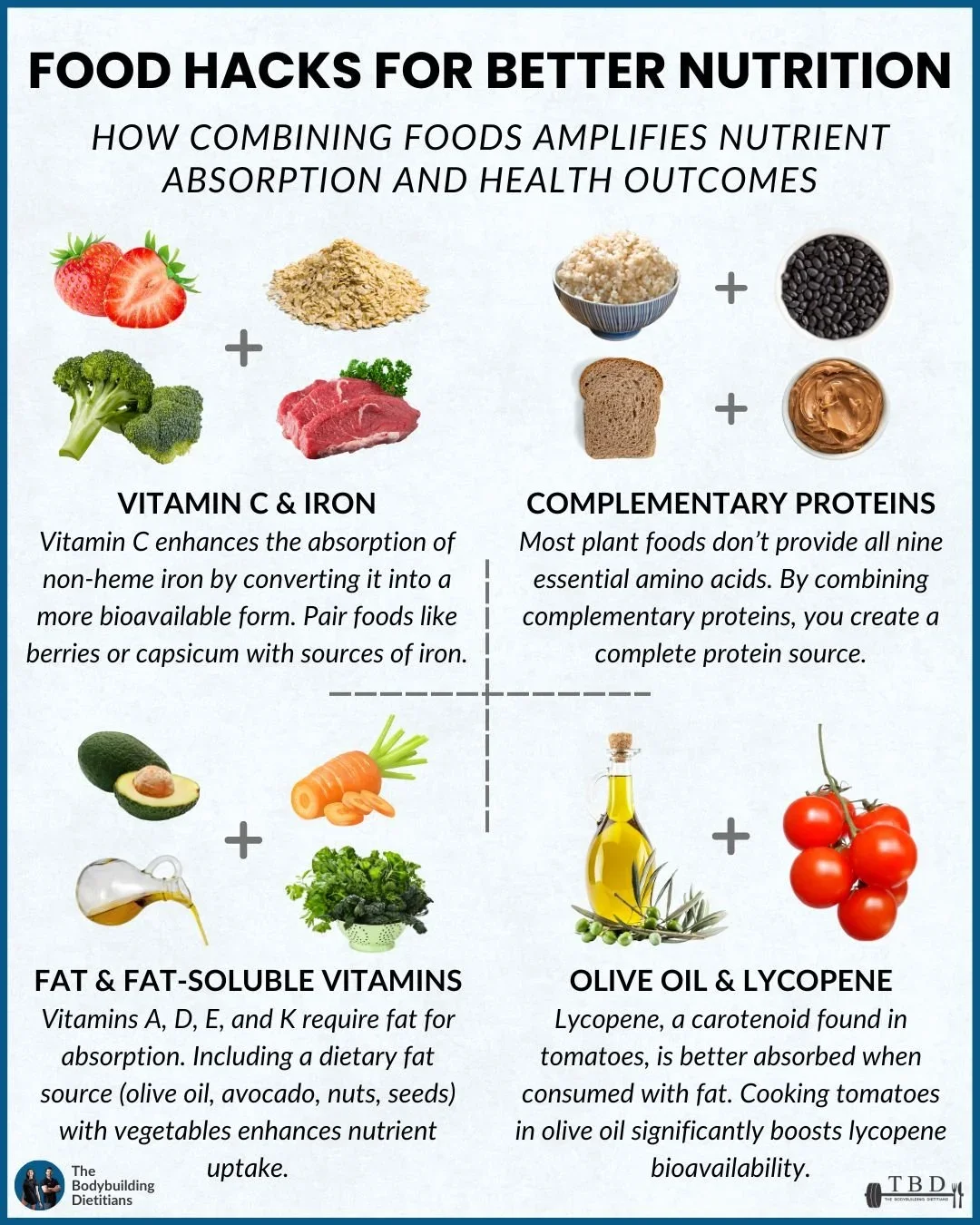
While proteins provide the amino acids necessary for repairing muscle fibers, carbohydrates restore depleted glycogen stores that serve as fuel for future exercise. An optimal post-workout meal combines both macronutrients in balanced amounts to maximize recovery. For example, pairing lean protein sources like chicken or eggs with starchy vegetables or fruits ensures muscles receive energy and building blocks simultaneously. Consuming only protein or only carbohydrates after exercise can limit the efficiency of the repair process. Therefore, an integrative approach that blends these nutrients supports faster and more effective muscle regeneration.
Practical Meal Ideas Featuring Nutrient-Rich Ingredients
Breakfast Recipes for Muscle Rebuilding
Starting the day with a recovery-focused breakfast can improve muscle repair after evening workouts or prepare muscles for morning training. A nutrient-rich option could be oatmeal topped with chia seeds and fresh berries, providing complex carbohydrates, omega-3 fatty acids, and antioxidants. Scrambled whole eggs mixed with spinach serve as a protein and micronutrient-packed choice that supports muscle synthesis. Complementing these meals with a glass of pomegranate or tart cherry juice offers inflammation-fighting benefits to reduce soreness throughout the day.
Lunch and Dinner Options to Boost Recovery
For lunch and dinner, incorporating lean proteins along with nutrient-dense vegetables and complex carbohydrates creates balanced meals that foster muscle healing. A muscle-soreness-fighting salad featuring shredded chicken or flaked salmon paired with roasted sweet potatoes, leafy greens, pomegranate seeds, and a light dressing of olive oil and vinegar provides comprehensive nutrition. Alternatively, a plate of grilled turkey with quinoa and steamed kale delivers ample protein, carbohydrates, vitamins, and minerals. Including whole eggs or dairy products as part of these meals further enhances recovery benefits.
Snack Smart: Foods to Support Recovery Between Meals
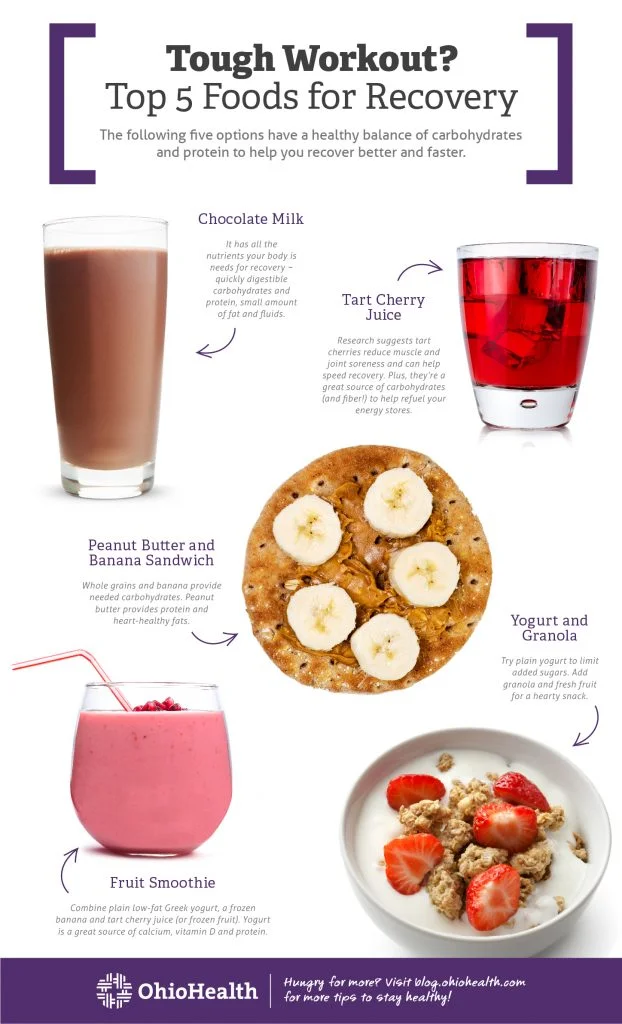
Snacking between meals can maintain nutrient supply for continuous muscle repair. Options like Greek yogurt combined with fresh fruit provide a sustained protein and carbohydrate source. Nuts and seeds deliver healthy fats and minerals critical for recovery. Bananas are an excellent portable snack that replenishes glycogen and supplies potassium. For hydration and antioxidant support, tart fruit juices or chocolate milk can be consumed as convenient recovery drinks that aid in rehydration and reduce lactic acid build-up.
Hydration and Its Impact on Muscle Recovery
How Fluids Aid Nutrient Delivery
Hydration plays a crucial role in muscle recovery by facilitating nutrient transport and waste removal. Water acts as the medium that carries oxygen, amino acids, and glucose to muscle cells, enabling repair and energy replenishment. Dehydration can hinder these processes, increasing muscle fatigue and soreness. Therefore, maintaining fluid balance post-exercise is essential to support the metabolic activities involved in recovery and to aid in the efficient healing of muscle tissue.
Best Hydrating Foods to Complement Recovery
In addition to drinking water, certain foods contribute to hydration while providing recovery nutrients. Watermelon juice, rich in water content and antioxidants, can be especially effective when consumed before workouts to reduce muscle soreness. Fruits and vegetables like cucumbers and oranges also offer hydration alongside vitamins and minerals. Dairy products such as milk not only rehydrate but supply macronutrients beneficial for muscle repair. Combining these hydrating foods with balanced meals optimizes recovery outcomes.
Common Myths About Supplements vs. Real Food for Muscle Recovery
A prevalent myth is that supplements are necessary to achieve effective muscle recovery. However, whole foods naturally contain a broader spectrum of nutrients than most supplements, and they interact synergistically to support healing. Another misconception is that only protein supplements can fuel muscle repair, whereas lean meats, eggs, fish, and dairy provide superior amino acid profiles with additional health benefits. Some believe high-calorie meals post-exercise enhance recovery, but excessive calories, especially from unhealthy fats or simple sugars, can negate workout gains. Focusing on a well-rounded diet rich in whole foods rather than isolated supplements leads to more sustainable and effective muscle recovery.
Summary: Building a Muscle Recovery Diet Without Supplements
Supporting muscle recovery without supplements centers on consuming nutrient-dense whole foods that provide protein, complex carbohydrates, healthy fats, vitamins, and minerals. Prioritizing lean animal proteins, fatty fish, whole eggs, and dairy alongside plant-based options such as sweet potatoes, spinach, nuts, seeds, and antioxidant-rich fruits accelerates repair and reduces soreness. Timing meals to include these nutrients soon after workouts enhances recovery efficiency. Staying well hydrated with water and hydrating foods complements nutrient delivery to muscle tissues. Avoiding common mistakes like neglecting protein intake or consuming high-fat, high-sugar foods ensures the body can optimally rebuild muscle without relying on supplements. By implementing these strategies, athletes and fitness enthusiasts can naturally boost their recovery and maintain peak performance.