Understanding the Importance of Sleep Quality
The Science Behind Sleep and Health
Sleep is a vital biological process that supports physical and mental well-being. During sleep, the body repairs tissues, consolidates memories, and regulates hormones that affect hunger, stress, and immune response. Poor sleep quality can disrupt these processes, leading to fatigue, impaired concentration, and decreased mood stability. Quality sleep, characterized by uninterrupted and restorative rest, is essential for optimal health and daily functioning.
Common Factors Affecting Sleep Quality
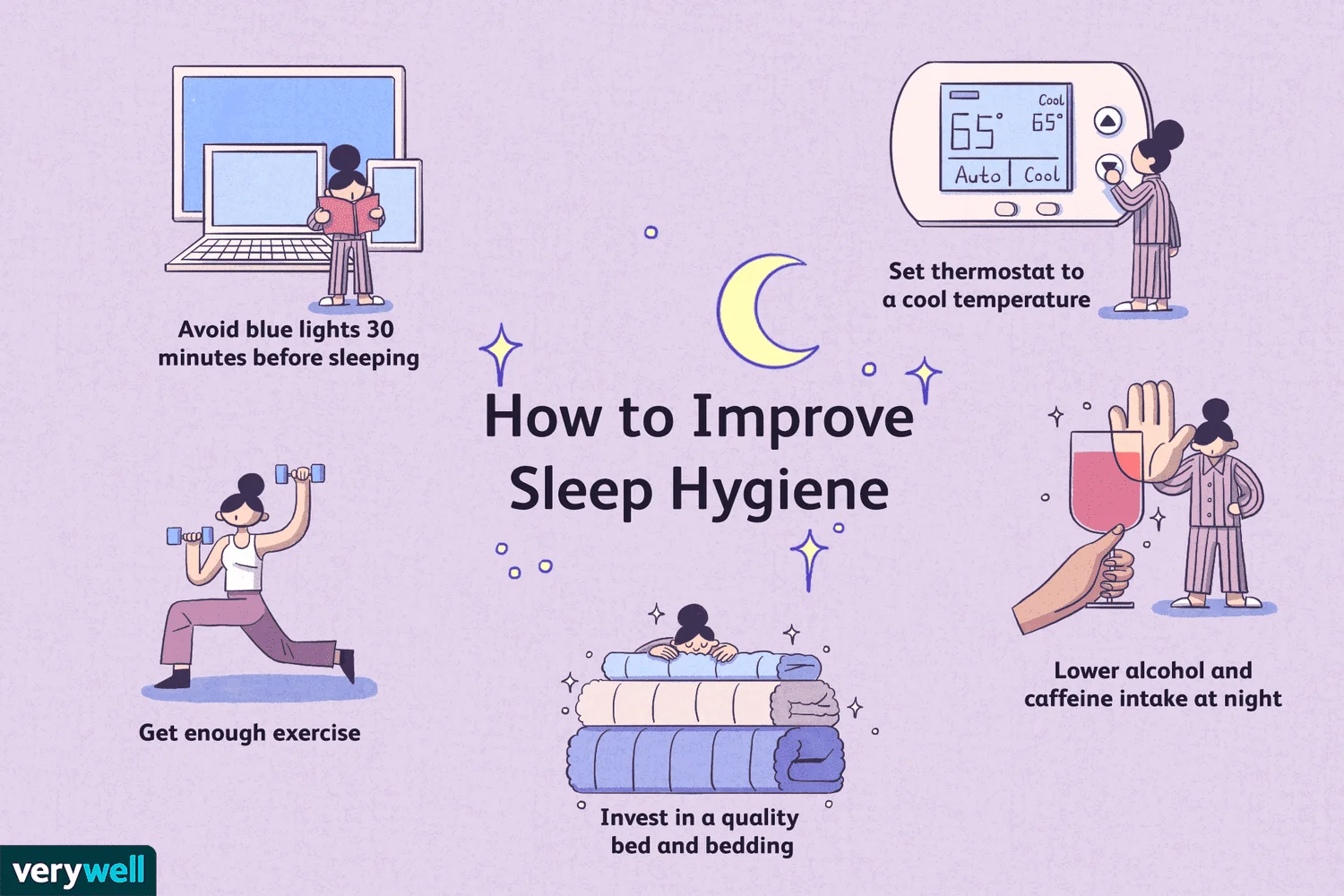
Several factors can interfere with the depth and continuity of sleep. An inconsistent sleep schedule and exposure to stimulants like caffeine or nicotine can delay falling asleep. Psychological stress, anxiety, and excessive screen time before bed often increase brain activity, making relaxation difficult. Environmental distractions like noise, light, and an uncomfortable bed also disrupt sleep, as do habits such as eating late or engaging in stimulating activities close to bedtime.
Behavioral Techniques to Enhance Sleep
Consistent Sleep Schedule and Its Benefits
Maintaining regular bedtimes and wake-up times helps regulate the body’s internal clock, promoting easier sleep onset and more consistent rest. Even on weekends, sticking to a routine prevents disruptions in the circadian rhythm. Over time, this consistency fosters deeper sleep phases and reduces nighttime awakenings, improving overall sleep quality without the need to change the physical environment.
Pre-Sleep Relaxation Rituals
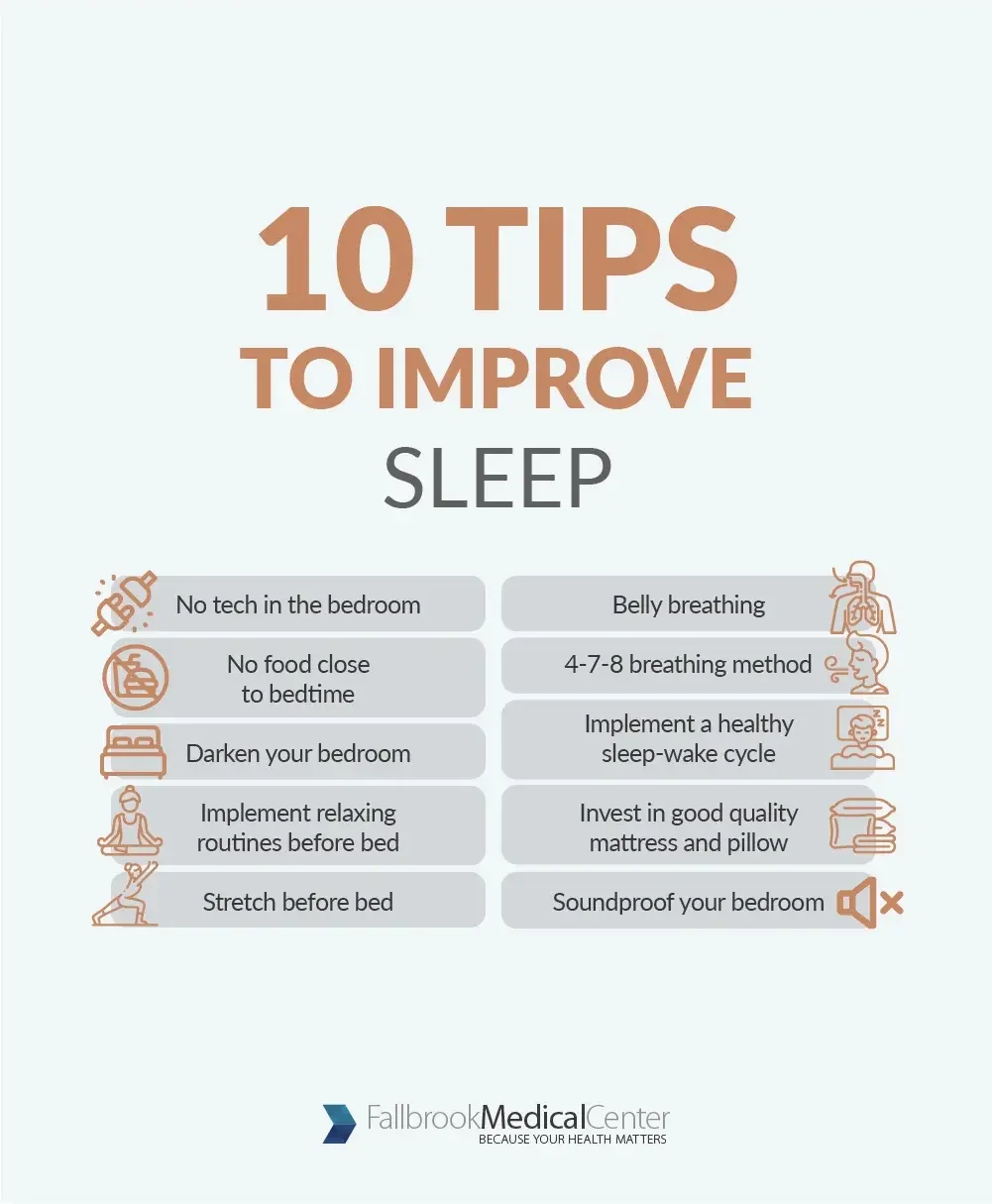
Setting aside time to unwind before bed prepares the mind and body for rest. Engaging in calming activities such as reading in soft light or listening to gentle music can soothe the nervous system. Warm baths, gentle stretches, and progressive muscle relaxation gradually decrease tension. These rituals signal the body that it is time to transition into sleep, aiding faster relaxation and reducing sleep latency.
Limiting Stimulants and Screen Time Before Bed
Consuming stimulants like caffeine and nicotine can significantly delay sleep onset and reduce sleep quality. Avoiding these substances in the late afternoon and evening is crucial. Additionally, electronic devices emit blue light that suppresses melatonin production, a hormone facilitating sleep. Turning off screens at least an hour before bedtime or using features that reduce blue light exposure supports the natural sleep-wake cycle.
Mindfulness and Mental Strategies for Better Sleep
Practicing Meditation and Deep Breathing
Mindfulness practices such as meditation help calm racing thoughts and reduce pre-sleep anxiety. Deep breathing techniques activate the parasympathetic nervous system, lowering heart rate and promoting physical relaxation. These mental exercises encourage a peaceful state that allows for a smoother transition from wakefulness to sleep without changing the bedroom environment.
Cognitive Techniques to Reduce Sleep Anxiety
Addressing worries that interfere with sleep can be achieved by using cognitive strategies. Writing down daily concerns or creating to-do lists before bed helps unload the mind. Techniques like reframing negative thoughts about sleep and focusing on positive sleep expectations reduce anxiety. These approaches help break cycles of rumination that often prevent restful sleep.
Physical Practices to Promote Restful Nights
Gentle Evening Exercises and Stretching
Light physical activity in the evening, such as yoga or stretching, can release muscle tension and increase relaxation. However, vigorous exercise close to bedtime may have the opposite effect for some individuals. Experimenting with exercise timing earlier in the day can support the body’s readiness for restful sleep later on.
Breathing Exercises to Induce Sleepiness
Breathing exercises like diaphragmatic breathing and the 4-7-8 technique slow the breath and reduce sympathetic nervous system activity. This physiological response encourages calmness and facilitates the gradual onset of sleep. Regular practice of these exercises can become a helpful part of a nightly wind-down routine.
Nutrition and Supplement Insights
Foods That Support Natural Sleep
Eating habits influence sleep quality. Foods rich in tryptophan, magnesium, and complex carbohydrates may support the body’s natural production of sleep-related neurotransmitters. It is advisable to avoid heavy or large meals within three hours of bedtime to prevent discomfort that can disrupt sleep. Hydrating adequately during the day but limiting fluid intake near bedtime helps reduce nighttime awakenings.
Safe Use of Sleep-Enhancing Supplements
Some supplements, like melatonin or herbal teas, are often used to promote relaxation. While these may support sleep, it is important to approach them cautiously and seek professional guidance to ensure safety and appropriateness. Using supplements should complement, not replace, behavioral and lifestyle practices for better sleep.
Tracking and Adjusting Habits for Continuous Improvement
Using Sleep Journals and Apps
Recording sleep patterns, daily routines, and factors influencing restfulness can reveal trends and obstacles. Sleep diaries or digital apps provide insights useful for identifying behaviors that help or hinder sleep. Tracking progress encourages accountability and highlights effective strategies without modifying the sleep environment.
Interpreting Sleep Patterns Without Environmental Changes
Understanding how lifestyle choices and mental habits impact sleep allows for targeted adjustments. For example, noting the effects of caffeine timing or evening activities can guide better scheduling decisions. Collaborating with others in the household to maintain consistent sleep-promoting routines further enhances sleep quality without altering the bedroom setting.