Introduction: The Importance of a Balanced Gym Workout for Busy Professionals
For busy professionals, maintaining a consistent gym routine can be a challenge. Balancing work commitments with personal health often requires thoughtful planning. A balanced workout plan not only boosts physical fitness but also enhances mental clarity and reduces stress. Creating an efficient gym schedule tailored to a hectic lifestyle ensures fitness goals are met without overwhelming time demands.
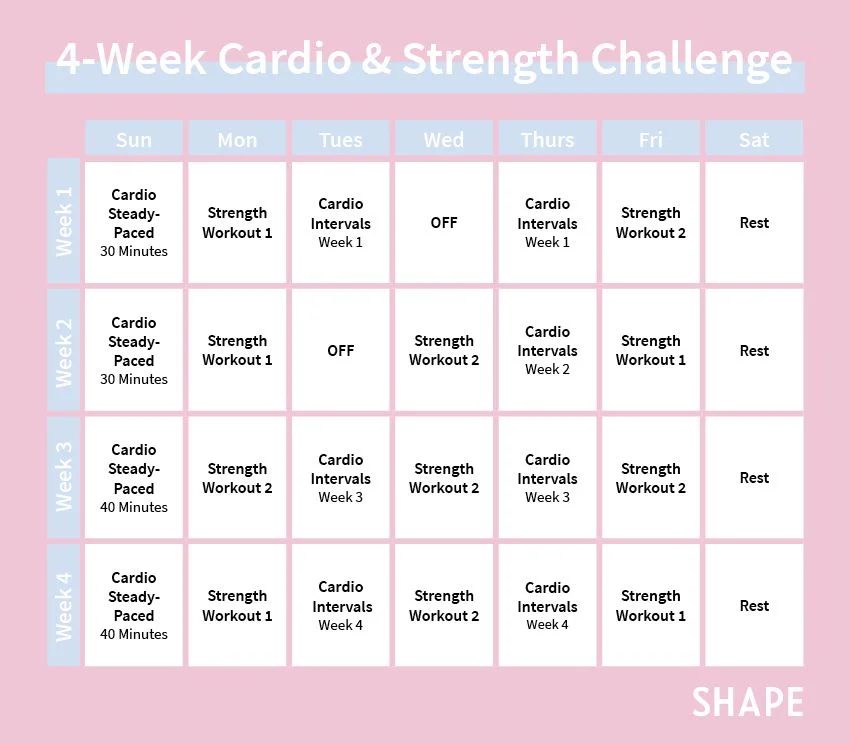
Step 1: Assessing Your Fitness Goals and Time Constraints
Identifying Key Fitness Objectives
Start by clearly defining what you want to achieve. Whether building muscle, improving endurance, or increasing flexibility, specific goals provide direction. Writing down these objectives can increase focus and help you choose the right exercises. Using the SMART method—making goals Specific, Measurable, Achievable, Relevant, and Time-bound—can refine your targets and keep motivation high.
Evaluating Available Time for Workouts
Next, realistically assess how much time you can dedicate to exercise. Even brief workouts can be effective when used well. It is important to recognize that workouts do not need to be long or continuous; splitting sessions into shorter bursts throughout the day can maintain consistency and fit better into a busy schedule. Flexibility in timing allows you to stay committed without feeling constrained.
Step 2: Structuring Your Weekly Workout Schedule
Combining Strength, Cardio, and Flexibility Training
A well-rounded program integrates strength training, cardiovascular activities, and flexibility work. Strength exercises build muscle and support metabolism, cardio improves heart health and endurance, while flexibility training enhances mobility and reduces injury risk. Balancing these elements throughout the week ensures overall fitness and helps prevent plateaus.
Optimizing Workout Duration for Maximum Benefit
Efficiency is key for busy professionals. Workouts ranging from 30 to 45 minutes can yield significant benefits if structured correctly. Prioritize quality over quantity by focusing on exercises that target multiple muscle groups simultaneously. Paying close attention to form rather than lifting excessively heavy weights helps avoid injury while maximizing gains.
Step 3: Designing Efficient Workout Sessions
High-Intensity Interval Training (HIIT) for Time Efficiency
HIIT is an excellent approach for maximizing calorie burn and building endurance in minimal time. Intense bursts of exercise followed by rest periods push your body effectively, even during short sessions. It’s important not to slack during work intervals and to use rest times for controlled breathing, lowering heart rate before the next effort. This method suits professionals with limited time but high fitness aspirations.
Incorporating Compound Movements
Compound exercises engage multiple joints and muscle groups simultaneously, providing a full-body workout in less time. Movements like squats, deadlifts, and push-ups improve strength and stability, making workouts more functional. These exercises can often be performed with minimal equipment and adapted for different fitness levels, making them ideal for both gym and office settings.
Step 4: Staying Motivated and Consistent
Setting Realistic Milestones
Breaking your fitness journey into achievable milestones maintains motivation. Recognize that progress takes time, and even one workout per week can initiate positive change. Being flexible and adjusting your routine while maintaining commitment helps navigate life’s unpredictability without losing momentum.
Tracking Progress with Fitness Apps
Monitoring your workouts and improvements is a proven way to stay accountable. Fitness apps offer tools to log sessions, measure performance, and visualize progress. Regular tracking identifies areas needing adjustment and celebrates achievements, reinforcing dedication and enthusiasm.
Step 5: Tips for Recovery and Injury Prevention
Importance of Warm-Up and Cool-Down
Preparing the body before exercise and gradually cooling down afterward are essential practices. Warm-ups increase blood flow and reduce injury risk, while cool-downs aid muscle recovery and flexibility. Incorporating gentle stretches or yoga techniques, even learned through online tutorials, can enhance these phases without consuming much time.
Effective Sleep and Nutrition Habits
Recovery extends beyond the gym. Quality sleep supports muscle repair and cognitive function, while balanced nutrition fuels workouts and promotes muscle gain. Tailoring your diet to match your fitness goals optimizes results. Neglecting these aspects can hinder progress and increase the risk of injury.
Conclusion: Achieving Balance in Fitness and Work Life
A balanced gym workout plan for busy professionals is achievable with intentional planning and realistic expectations. By focusing on efficient workouts, setting clear goals, and maintaining consistency, fitness can seamlessly fit into a hectic lifestyle. Prioritizing recovery and enjoyment makes the journey sustainable, allowing you to thrive both in the gym and at work.