Understanding Metabolism and Its Importance
What Metabolism Is and How It Works
Imagine your body as a busy factory, constantly converting the food you eat into energy you can use. This process is known as metabolism, encompassing all chemical reactions that occur within your body to sustain life. From the moment you take a bite of food, your metabolism kicks in to break down nutrients, generating energy to power everything from breathing to walking.

Metabolism isn’t just a single process but a complex system involving two major components: catabolism, which breaks down molecules to release energy, and anabolism, which uses energy to build cellular structures. The speed at which your body burns calories is called the metabolic rate, and it can vary widely depending on many factors.
Factors Influencing Metabolic Rate
Several elements shape how quickly your metabolism works. For instance, muscle mass plays a significant role; people with more muscle tend to burn more calories. Age also affects metabolic rate—metabolism usually slows down as we get older. Genetics, hormone levels, and lifestyle habits like diet and activity level are other critical contributors.
Even subtle nutritional factors can make a difference. For example, an iron or selenium deficiency can impair thyroid function, leading to a sluggish metabolism. Similarly, inadequate protein intake lowers the thermic effect of food (TEF), meaning your body burns fewer calories digesting food. Understanding these influences helps explain why some diets and lifestyle changes are more effective than others.
Common Myths About Metabolism and Stimulants
Why Avoid Caffeine and Supplements?
Many people rely on caffeine or metabolism-boosting supplements to speed up calorie burning. While caffeine found in coffee or some teas can increase metabolic rate temporarily, individual responses vary. Heavy reliance on such stimulants can lead to jitteriness, anxiety, or dependence, masking underlying metabolic issues rather than resolving them.
Moreover, supplements often promise quick results but may carry risks if used improperly. The body adapts to stimulants over time, diminishing their effectiveness. For those sensitive to caffeine or looking for sustainable metabolic health, natural food-based approaches tend to be safer and more effective in the long run.
Misconceptions About Metabolism Boosters
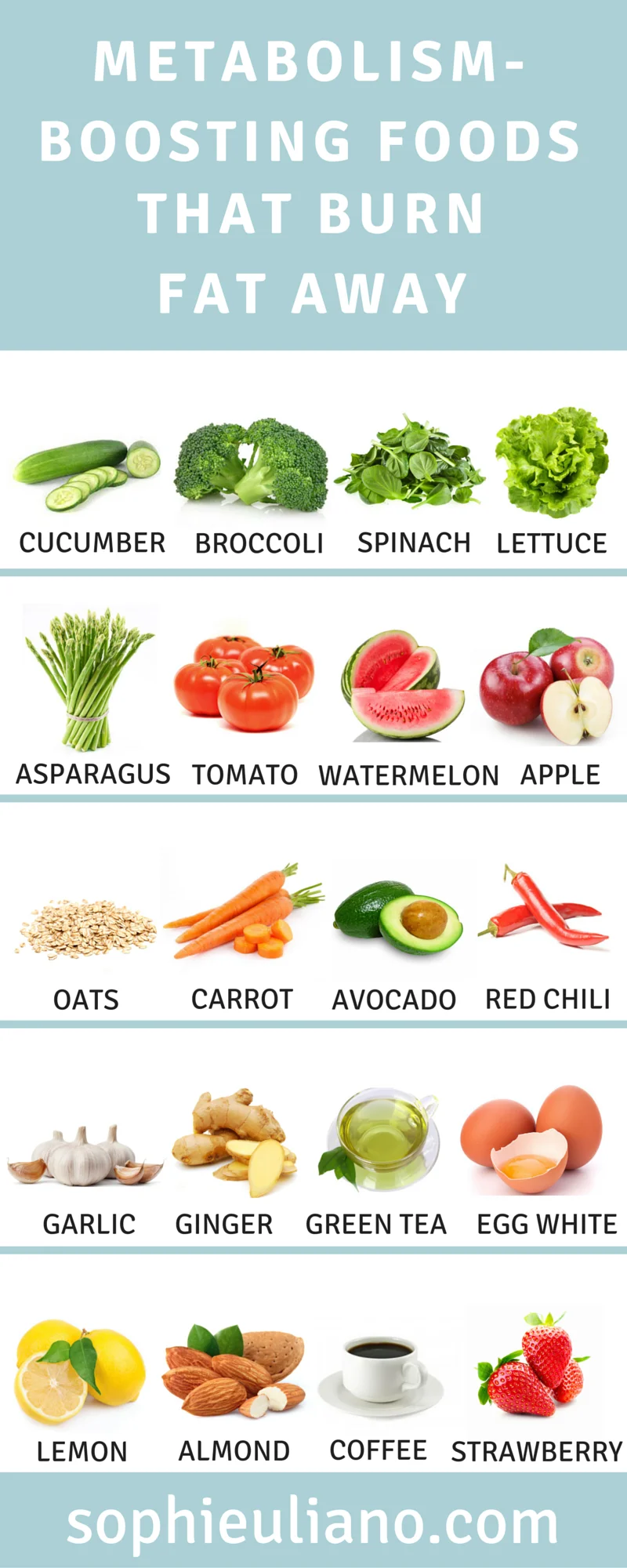
There is widespread belief that certain foods or supplements can drastically “boost” metabolism overnight. However, metabolism is a complex and tightly regulated process. No single food acts as a magic solution. For example, while capsaicin from chili peppers can raise metabolism slightly and reduce appetite, its effects are modest and influenced by personal spice tolerance.
Another common myth is that eating more frequently automatically increases metabolic rate. The truth is that meal timing and frequency have limited effect compared to overall diet quality and nutrient composition. Recognizing these misconceptions prevents disappointment and encourages a balanced, realistic approach.
Top Natural Foods That Help Increase Metabolism
Protein-Rich Options: Lean Meats and Legumes
When Sarah decided to lose weight after years of sedentary work, she incorporated more lean chicken breast, eggs, and beans into her meals. She noticed that her energy levels remained high, and she felt fuller longer. Protein-rich foods have a higher thermic effect, meaning your body uses more calories digesting them compared to fats or carbs.
Legumes like lentils and chickpeas are particularly beneficial, as they combine protein with dietary fiber. This combo not only supports fat oxidation but also improves blood sugar control, reducing cravings. For vegetarians or those avoiding dairy, nuts and seeds also provide essential building blocks for metabolism without relying on stimulants.
Fiber-Filled Vegetables and Whole Grains
Fiber-rich foods such as broccoli, Brussels sprouts, and whole grains like quinoa and brown rice play a subtle yet vital role in metabolism. When Jaime swapped his usual white bread for whole grain alternatives, he noticed steadier energy throughout the day. Fiber slows digestion, stabilizing blood sugar and preventing spikes that can lead to fat storage.
Moreover, fiber acts as a prebiotic, nourishing beneficial gut bacteria. These microbes influence how efficiently calories are burned and how fats are metabolized. Including a variety of colorful vegetables and whole grains contributes to a resilient metabolic system that works effectively without the need for caffeine boosts.
Spices and Herbs with Metabolic Benefits
Mark, an avid home cook, began adding ginger and cayenne pepper to his meals after reading about their metabolism-enhancing properties. Ginger not only aids digestion but modestly raises calorie burn and reduces hunger when consumed regularly. Similarly, spices like grains of paradise and raw cacao contain compounds that subtly increase resting energy expenditure.
Incorporating these spices into dishes or beverages—such as a warm ginger tea or a sprinkle of cayenne on roasted vegetables—can support metabolism naturally. However, individual tolerance varies, so starting with small amounts is key to enjoying the benefits without discomfort.
How These Foods Affect the Body’s Energy Use
Thermogenic Effects of Natural Ingredients
The term “thermogenic” refers to foods that cause your body to produce heat and burn more calories during digestion. Protein-rich foods have the highest thermic effect, sometimes increasing energy expenditure by up to 30%. Spice compounds like capsaicin stimulate receptors that raise body temperature and trigger fat burning.
For example,Rebecca, who enjoys spicy foods, noticed she felt more energized after meals containing chili peppers. This increase in calorie burn can be small but consistent, adding up to meaningful changes over time when combined with a balanced diet.
Role of Micronutrients in Enhancing Metabolic Functions
Micronutrients such as iron, selenium, calcium, and iodine are crucial for metabolic health. Iron supports oxygen transport, ensuring cells receive the energy needed for metabolic reactions. Selenium and iodine are vital for thyroid hormone production, which regulates metabolism at a cellular level.
Including foods like leafy greens, seafood, dairy, and nuts helps maintain sufficient mineral levels. Calcium, found in dairy or fortified alternatives, also supports fat metabolism and weight management. Without these nutrients, even the best diet may fail to ignite metabolism effectively.
Incorporating Metabolism-Boosting Foods into Daily Meals
Breakfast Ideas to Kickstart Metabolism
Starting the day with a balanced breakfast can set the tone for metabolic efficiency. Consider scrambled eggs with a side of black beans and a sprinkle of raw cacao nibs for a natural flavor boost. Alternatively, a bowl of oatmeal topped with chopped nuts and a dash of cinnamon offers sustained energy and fiber.
Drinking a cup of ginger-infused tea in the morning not only warms you up but may also increase calorie burning. These simple adjustments create a metabolic-friendly foundation that keeps energy levels steady until the next meal.
Lunch and Dinner Recipes Featuring Key Ingredients
For lunch, a grilled chicken salad with mixed greens, quinoa, and a chili-lime dressing provides protein, fiber, and thermogenic spices. At dinner, roasted salmon with steamed broccoli and a side of lentils combines iodine-rich seafood with metabolism-supporting legumes and vegetables.
Using spices like ginger and cayenne pepper in marinades or sauces can make meals both flavorful and beneficial. Meal prepping these dishes ensures consistent intake of metabolism-friendly foods without relying on supplements or caffeine.
Healthy Snack Options to Maintain Energy Levels
Snacks can be an opportunity to sustain metabolic momentum. A handful of mixed nuts and seeds offers protein and healthy fats that are quickly absorbed without causing blood sugar spikes. Raw cacao mixed with a small amount of natural nut butter creates a satisfying treat rich in flavonoids and micronutrients.
Legume-based snacks, such as roasted chickpeas seasoned with spices, provide fiber and protein to keep hunger at bay while supporting energy use. These choices prevent the common afternoon energy crash linked to sugary or refined snacks.
Additional Lifestyle Factors Supporting a Healthy Metabolism
Importance of Hydration
Water is indispensable for metabolism. When Emily began drinking more water throughout her workday, she noticed decreased hunger and improved focus. Staying hydrated helps cells function properly and supports efficient energy metabolism. Cold water, in particular, may increase calorie burn slightly as the body works to warm it to body temperature.
Adequate hydration also aids digestion and nutrient absorption, amplifying the effects of metabolism-boosting foods. Carrying a water bottle and setting reminders can help establish this healthy habit.
Physical Activity and Metabolic Rate
Regular physical activity complements dietary strategies by increasing muscle mass and metabolic rate. Even moderate exercise, such as brisk walking or cycling, elevates calorie consumption during and after activity. Combining movement with metabolism-supportive nutrition creates a synergistic effect.
For example, pairing oolong or matcha green tea with a workout can enhance fat oxidation, as some studies suggest. Incorporating strength training builds lean muscle, which burns more calories at rest than fat. An active lifestyle is essential for sustaining a healthy metabolic rate over time.